Grove read
Paint a Winter Mountain Landscape
Creating a mountain landscape in watercolor can feel intimidating. Questions like where to start, which colors to use, how much detail to include, or which brush to choose can quickly become overwhelming. In this guide, I’ll take a winter mountain scene and break it down into approachable steps—including washes, layering, and a few special techniques.
Rowan Blake
Margin note
Reading tip
The full digest continues below among botanical margin notes.
Grove
Olive Digests
Creating a mountain landscape in watercolor can feel intimidating. Questions like where to start, which colors to use, how much detail to include, or which brush to choose can quickly become overwhelming. In this guide, I’ll take a winter mountain scene and break it down into approachable steps—including washes, layering, and a few special techniques.
Growing up on the west coast, I was always captivated by the Pacific Northwest landscapes. The Vancouver Island Ranges, home to Mount Washington ski resort, were just a short drive away. I have fond memories of skiing there as a child with my parents and later sharing the experience with my own children. Early morning light, soft shadows on jagged peaks, and light snowfall from drifting clouds combine to create a serene winter palette, which I’ll attempt to capture here.
Over time, I’ve learned to simplify my process in watercolor. I used to get overly focused on details, resulting in tight, overworked paintings. Minimizing steps encourages fresher washes, as leaving the paint alone allows it to settle naturally, producing more lively results.
Choosing Your Colors
Before applying a single stroke, I select a trio of colors based on light, medium, and dark tones:
Light: French Ochre – A warm, earthy yellow that conveys early morning sunlight and granulates nicely on rough watercolor paper.
Medium: Moonglow – A versatile shade perfect for mountain washes. Transparent enough to let the French Ochre shine through the peaks, it settles into paper texture, creating subtle color variations.
Dark: Perylene Green – A deep green that pushes foreground trees forward and creates depth.
Step 1: Laying the Sky
I begin with the sky using clean water and a large brush, wetting the area above the mountains. Flipping the paper upside down, I apply a wash of French Ochre along the base of the wet section, letting it diffuse upward. Reloading the brush, I extend the color downward, blending gently into the lower sky.
For clouds, I mix Lavender with a bit of water to a creamy consistency and darken slightly with Moonglow. While the sky is still moist, I scrub the mixture in to form cloud shapes and let them dry completely. Tip: Keep the paint thick so it stays in place, and resist touching it once applied. A cut-up fan brush can create quick, textured clouds effortlessly.
Step 2: Base Mountain Wash
Mix a light wash of Moonglow and paint from mountain tops downward. Prepare a large batch to cover the entire area, adding small adjustments of pigment or water for variation. This subtle change prevents flat washes and hints at snow texture. Allow this layer to dry fully.
Step 3: Adding Mountain Texture
Using a slightly darker layer of Moonglow, I define rocky faces and distant tree textures. A touch of Perylene Green helps form the mid-ground tree line. While still wet, I lightly spritz with a fan brush to break up the wash and add natural variation. Let it dry completely.
Step 4: Foreground Trees
Mix Perylene Green with a bit of Cascade Green in a generous batch. Using a large rigger brush, paint the tallest peaks first, progressing from top to bottom. Keeping strokes quick and loose preserves freshness. While the wash is wet, drag in Neutral Tint for tree trunks and splatter thick Cobalt Teal Blue to add texture and lighten areas slightly. Allow the painting to dry.
By following these steps—starting with washes, layering thoughtfully, and using quick, confident strokes—you can capture the calm energy of a winter mountain scene without overworking your watercolor. The key is to work efficiently, embrace the natural behavior of the paint, and allow the layers to interact organically.
More along this branch
LEAF · en

Steps to Make Healthy, Delicious Salads
Looking for an easy and enjoyable way to hit your daily goal of four servings of vegetables? A large, well-composed salad is one of the simplest solutions.
LEAF · en
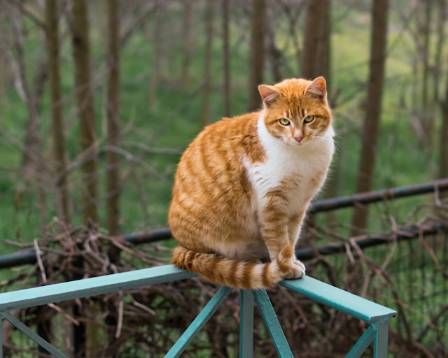
The Most Colorful Companions: Popular Orange and White Cat Breeds
Orange-and-white cats charm many households with their warm hues and distinctive personalities. This overview highlights several beloved breeds known for their orange and white coloration, plus a quick snapshot of their size, temperament, coat, and life expectancy. Whether you’re seeking a laid-back lap cat or an energetic little explorer, these fluffballs offer a range of charms.
LEAF · en

Sparkling Flavored Water with Fruit
Make your afternoon sparkle with a fruity, fizzy drink! This flavored sparkling water with tropical fruit is refreshing, hydrating, and naturally sweet. All you need is a can of bubbly water and a handful of frozen fruit—easy, cheerful, and perfect for sipping on a sunny day.
LEAF · en
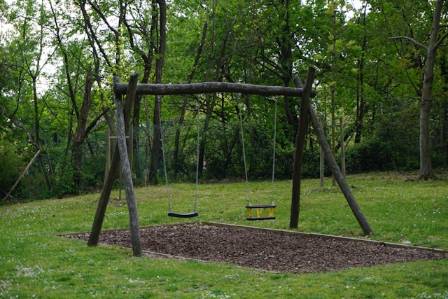
Top 10 Enchanting Swings Around the Globe with Breathtaking Views
There are many stunning destinations with attractive swings.
LEAF · en
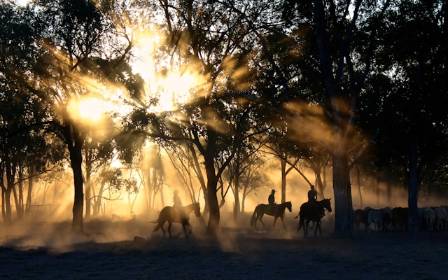
Uncovering 5 Benefits of Horseback Riding
Everyone has their own unique reasons for wanting to learn how to ride a horse, and the benefits of horseback riding are vast and shared among riders everywhere. If you’re contemplating a new hobby, perhaps the insights below will inspire you to join the ranks of riders.
LEAF · en
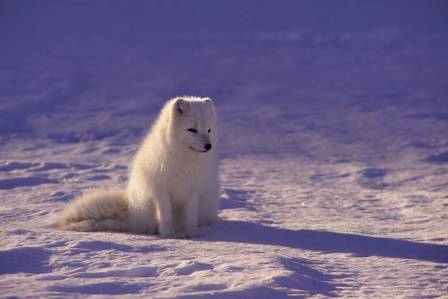
Eleven Reasons Arctic Foxes Are the Coolest
While researching Polar: Wildlife at the Ends of the Earth, I discovered countless fascinating animals, but arctic foxes have always been particularly special to me. Part of the reason is personal: I spent six years studying these foxes, along with wolves, during my PhD research. The other reason is much simpler—arctic foxes are truly remarkable animals. Here are some of the things that make them so impressive.