Grove read
Largest Natural Arches in the World
A natural arch is a geological structure created when cliffs or rock formations are gradually worn away by erosion caused by ocean waves, rivers, wind, rain, or other natural forces. In some cases, water continues to flow beneath the opening, and the formation is referred to as a natural bridge. However, the difference between a natural arch and a natural bridge is not always clearly defined. The Natural Arch and Bridge Society considers a bridge to be a type of arch mainly shaped by flowing water, while geological references often describe a natural bridge as an arch that crosses an eroded valley.
Nico Barrett
Margin note
Reading tip
The full digest continues below among botanical margin notes.
Grove
Olive Digests
A natural arch is a geological structure created when cliffs or rock formations are gradually worn away by erosion caused by ocean waves, rivers, wind, rain, or other natural forces. In some cases, water continues to flow beneath the opening, and the formation is referred to as a natural bridge. However, the difference between a natural arch and a natural bridge is not always clearly defined. The Natural Arch and Bridge Society considers a bridge to be a type of arch mainly shaped by flowing water, while geological references often describe a natural bridge as an arch that crosses an eroded valley.
Measuring natural arches is also a complicated matter because there is no universally accepted method. Different sources may report different dimensions depending on how the span, height, or width is calculated. Because of these uncertainties, creating a completely definitive ranking of the world’s largest, longest, or tallest natural arches is nearly impossible. New discoveries and possible contenders continue to appear in different parts of the world.
The deserts of Utah and Arizona in the United States contain some of the greatest concentrations of natural arches on Earth. Arches National Park in eastern Utah is particularly famous, containing around 2,000 sandstone arches, including the iconic Delicate Arch, along with many other remarkable geological formations.
According to information compiled by the Natural Arch and Bridge Society, the following are among the largest and most notable natural arches around the world.
Fairy Bridge or Xianren Bridge, China
Xianren Bridge, also known as Fairy Bridge, is considered one of the largest natural arches in the world, with a span of approximately 400 feet (120 meters). This impressive formation was carved through limestone karst terrain by the Buliu River and is located about 40 kilometers northwest of Fengshan in Guangxi Province, China.
For many years, Fairy Bridge remained largely unknown outside China. The Natural Arch and Bridge Society discovered information about it in 2009 after a geologist using Google Earth noticed what appeared to be a massive natural bridge crossing a river. A photograph connected to Google Earth later confirmed the discovery. Based on satellite images and additional research, experts suspected it could be the world’s largest natural arch. After an unsuccessful first attempt, a NABS team successfully reached and measured the formation in 2010.
Jiangzhou Immortal Bridge, China
Jiangzhou Immortal Bridge is located near the village of Jiangzhou in Guangxi Province, China, approximately 30 kilometers south of Fengshan. It forms a major attraction within the Xianren Natural Bridge Tourism Area, part of the Leye-Fengshan National Geopark.
A paved road, a river, and several utility lines pass beneath the arch. The exact measurement of the bridge remains debated because different sources provide varying figures. Estimates suggest the span could range from about 280 feet to 340 feet. If the larger measurement is accurate, it would rank among the longest natural arches in the world, while the smaller estimate places it close to famous arches such as Landscape Arch and Kolob Arch in the United States.
Landscape Arch, USA
Located in the Devils Garden area of Arches National Park in Utah, Landscape Arch is one of the most famous natural arches in North America. The formation stretches approximately 290 feet across, yet its narrowest section is only around 6 feet thick, making it appear extremely fragile.
The arch is considered to be approaching the later stages of its natural development and could eventually collapse, although this could happen tomorrow or hundreds of years from now. Several large pieces of rock have already fallen from the structure. In 1991, a 73-foot section broke away from the underside, followed by additional rockfalls in 1995, including pieces measuring about 47 feet and 30 feet. Because of safety concerns, the former trail beneath the arch has been closed.
Kolob Arch, USA
Kolob Arch is located in the remote wilderness of Zion National Park in Utah. With a measured span of approximately 287 feet, it is only slightly shorter than Landscape Arch.
Because of its isolated location and difficult access, Kolob Arch remained a mystery for many years. Throughout much of the twentieth century, many explorers, hikers, and researchers believed it might be the largest free-standing natural arch in the world. The challenge of reaching and accurately measuring the arch attracted numerous adventurers who traveled into Zion’s backcountry to study this impressive formation.
Aloba Arch, Chad
Aloba Arch is one of the most dramatic natural arches on Earth, located in the Ennedi Plateau of the Sahara Desert in Chad. Unlike a true natural bridge, it is classified as a large alcove arch.
Although its span measures around 250 feet, the most impressive feature of Aloba Arch is its enormous height. Rising approximately 120 meters (394 feet), it towers above many better-known arches and is considered one of the tallest natural arches ever recorded.
Morning Glory Natural Bridge, USA
Morning Glory Natural Bridge is found in Negro Bill Canyon near Moab, Utah. Despite its name, the formation is technically an alcove arch rather than a true natural bridge.
The arch has a span of about 243 feet and stands only around 15 feet away from the surrounding cliff wall. While it may not have the dramatic appearance of some other nearby arches, its height of approximately 75 feet makes it a remarkable geological feature.
Gaotun Natural Bridge, China
Gaotun Natural Bridge, also called Tiansheng Qiao, is a waterfall natural bridge located along the Fulu River near Li Ping in the Guizhou region of southern China.
The formation is one of the main attractions of the Bazhou He Scenic Area, a region developed for tourism. The natural arch spans approximately 240 feet and is surrounded by the region’s distinctive karst landscape.
Rainbow Bridge, USA
Rainbow Bridge is often mistakenly described as the world’s largest natural bridge. Some older records, including a Guinness World Records listing, incorrectly identified it as the tallest natural arch. In reality, Rainbow Bridge has a span of about 275 feet and a height of approximately 246 feet.
Although many arches around the world exceed it in size, Rainbow Bridge remains one of the most famous and accessible natural arches. Visitors can reach it by taking a boat across Lake Powell from nearby marinas near Page, Arizona, followed by a short walk to the formation. Another option is a longer hiking route from the southern side of Lake Powell.
Sipapu Natural Bridge, USA
Sipapu Bridge is located within Natural Bridges National Monument in Utah. Early measurements from 1908 estimated the span at 268 feet and the height at 167 feet. However, modern surveys conducted in 2007 produced updated measurements of approximately 225 feet in span and 144 feet in height.
The formation can be viewed from a roadside overlook, but the best experience comes from following a short trail down into the canyon. Since visitors are no longer allowed beneath Landscape Arch due to safety concerns and many choose not to walk under Rainbow Bridge because of Native American cultural beliefs, Sipapu is now one of the longest natural arches with an active trail that allows visitors to pass beneath it.
Stevens Arch, USA
Stevens Arch is located in Escalante Canyon, near the junction with Stevens Canyon in Utah. This impressive formation dominates the surrounding landscape, measuring approximately 220 feet wide and 160 feet high.
The arch creates a spectacular sight for hikers traveling along the river valley and is considered one of the most remarkable geological features in the region.
Other Remarkable Natural Arches Around the World
Many other impressive arches were not included in this list but are still notable for their size and beauty. These include Shipton’s Arch, also known as Tushuk Tash, in China, which is considered one of the highest natural arches at around 1,200 feet; Hazarchishma Natural Bridge in Afghanistan with a span of approximately 211 feet; Outlaw Arch in Colorado measuring around 206 feet; and Snake Bridge in New Mexico with a span of about 204 feet.
Together, these natural wonders demonstrate the incredible power of erosion and the extraordinary landscapes that can form over millions of years.
More along this branch
LEAF · en

The Most Colorful Companions: Popular Orange and White Cat Breeds
Orange-and-white cats charm many households with their warm hues and distinctive personalities. This overview highlights several beloved breeds known for their orange and white coloration, plus a quick snapshot of their size, temperament, coat, and life expectancy. Whether you’re seeking a laid-back lap cat or an energetic little explorer, these fluffballs offer a range of charms.
LEAF · en
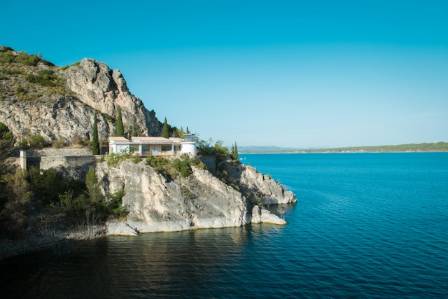
Stunning Homes Built Into Cliffs
For anyone who suffers from a fear of heights, it is easy to understand why cliffside homes might seem like the last place they would want to live. Fortunately, a new book published by Lannoo Publishers allows readers to explore some of these extraordinary properties from a safe distance. Written by Agata Toromanoff, In Living on the Edge: Houses on Cliffs examines more than 40 homes and structures built in locations that many people would consider impossible or unsuitable for construction.
LEAF · en

Top 10 BMX Legends
BMX has been shaped by daring innovators, relentless competitors, and riders whose names have become part of cycling history. From pioneers who created the sport’s foundation to modern athletes pushing boundaries with unbelievable tricks, these ten figures represent the core of what makes BMX unforgettable.
LEAF · en
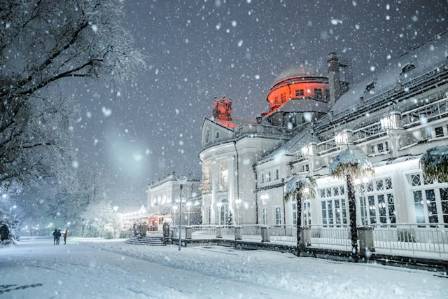
European Winter Vacations Revealed with the Ten Most Popular City Getaways Right Now
Cold weather tourism across the European continent is experiencing a massive surge. Following a comprehensive poll involving more than eight hundred thousand vacationers from nearly one hundred and eighty nations, the premier urban destinations for this chilly season have been identified. The colder months in Europe are undergoing a massive shift. What used to be seen as a quiet and slow period has now transformed into one of the most coveted times to experience the region. Urban centers are completely reimagining the chilly season by introducing brilliant light displays in parks, snow covered plazas, exceptional cultural gatherings, outdoor skating attractions, and welcoming eateries that present incredible seasonal dishes. Affordable airfares, smaller crowds, and deeply engaging holiday festivities are fueling this rapidly expanding travel movement. A recent industry study evaluated the preferences of global adventurers to establish the definitive collection of the most fashionable cold weather locations. According to the research findings, this time of year is no longer just a transition period but has evolved into a dedicated season defined by unique aesthetics, distinct moods, and artistic inspiration. The data clearly demonstrates that modern adventurers are seeking out romantic couple retreats, enchanting family vacations, solo journeys centered on culture, and excellent culinary or shopping weekends with companions. Throughout the continent, specific destinations stand out remarkably due to their heritage, architecture, culinary scenes, and distinct seasonal charm. The following locations represent the definitive choices that are actively defining the future of off season exploration.
LEAF · en
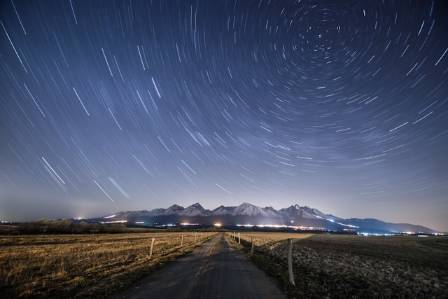
6 Points to Strategize Your Star Trail Photography
Capturing stunning star trails requires meticulous planning, considering various factors such as weather conditions, light pollution, lunar phases, and location. By adhering to the following guidelines, you can streamline the process and ensure captivating results in your star trail shots.
LEAF · en

5 Types of Squirrels
Spotting squirrels can be fun, but did you know there are many different kinds? North America is home to over 65 species, each with its own habits, looks, and habitats. The most frequently seen squirrels fall into three main groups: tree squirrels, ground squirrels, and flying squirrels. Let’s explore the differences and learn a bit about their quirky behaviors.