Introduction: The Rewards and Responsibilities of Horse Ownership
Owning a horse is a deeply fulfilling journey that blends companionship, adventure, and stewardship—yet it demands unwavering commitment, time, and resources. Horses have been cherished by humans for millennia, serving as partners in work, sport, and leisure, and today they thrive as pleasure riding companions, competition athletes, or beloved pets. However, this bond comes with significant responsibilities: horse ownership is a long-term commitment (often spanning 25–30 years, the average lifespan of a horse), requires daily care and attention, and entails substantial financial investment in feed, healthcare, and facilities. Legally, owners are obligated to meet their horse’s basic welfare needs, including adequate nutrition, water, shelter, exercise, social interaction, and prompt medical care. Additionally, in regions like Victoria, Australia, owners keeping horses on their property or agisting (boarding) horses must obtain a Property Identification Code (PIC) to ensure traceability and compliance with animal welfare regulations. Embracing these responsibilities not only safeguards the horse’s health and happiness but also deepens the trust and connection between owner and equine companion.
Feeding Your Horse: Tailoring Nutrition to Age, Size, and Activity
A horse’s diet is the foundation of its health, and providing high-quality, appropriate feed is non-negotiable for maintaining optimal body condition. Horses are herbivores with a digestive system designed for continuous foraging, so roughage—such as pasture grass, hay, or chaff—should form the core of their diet. The general feeding guideline is 1–2 kg of roughage per 100 kg of bodyweight daily, with adjustments based on the horse’s size: ponies (200–350 kg) require 3–7 kg daily, galloways (350–500 kg) 7–10 kg, standard horses (500–650 kg) 10–13 kg, and heavy horses (650+ kg) 13+ kg. Supplementary feeding may be necessary if the horse is in regular work (e.g., riding lessons, competitions), pasture is scarce or low-quality, or the horse is losing body condition (evidenced by visible ribs or a dull coat). When supplementing, opt for commercially formulated feeds designed for equines—avoid grass clippings, kitchen scraps, or moldy feed, as these can cause digestive upset, colic, or toxicity. Additionally, provide a free-choice salt lick or mineral block to support electrolyte balance, and consult a veterinarian or equine nutritionist to tailor the diet to specific needs, such as senior horses requiring joint supplements or growing foals needing extra protein.
Water for Your Horse: Ensuring Constant Access to Clean, Fresh Supply
Horses require a continuous supply of clean, fresh water to support digestion, regulate body temperature, and maintain overall health—dehydration can lead to serious issues like colic or kidney damage. The ideal water source is a self-filling trough or dam, which should be inspected daily for contamination (e.g., algae, debris, animal waste) and cleaned regularly to prevent bacterial growth. Bathtubs can be used as a temporary solution but must be checked and refilled daily, while buckets are unsuitable for permanent use as they are easily tipped over. Water intake varies by environment and activity: a horse may drink 25–45 liters per day in hot weather, and this amount increases significantly after exercise or if the diet is high in dry hay. In winter, prevent water from freezing by using heated troughs or breaking ice regularly, and in summer, keep water cool to encourage consumption. Avoid offering extremely cold or hot water, as it can deter drinking, and monitor water intake closely—sudden changes in consumption (too little or too much) may indicate underlying health issues.
Shelter for Your Horse: Protecting Against the Elements
Horses need shelter to shield them from harsh weather conditions, including intense sun, strong winds, heavy rain, and extreme temperatures. Suitable shelter options include mature trees (providing natural shade and windbreak), walk-in sheds (offering protection from rain and cold), and stables (ideal for overnight housing or medical confinement). Each option has its benefits: trees are cost-effective but may drop branches or leaves that can injure horses, while stables provide maximum protection but require proper ventilation to prevent respiratory issues. For horses kept outdoors in cold or wet weather, a waterproof, breathable rug can help retain body heat—ensure the rug fits properly (not too tight or loose) to avoid rubbing, slipping, or causing skin irritation, and check it daily for damage or dampness. Regardless of the shelter type, ensure it is spacious enough for all horses to stand, lie down, and move freely without overcrowding, and position it in a well-drained area to prevent mud buildup.
Exercise and Space for Your Horse: Meeting Physical and Behavioral Needs
Horses are active animals that require ample space to move, graze, and exercise—lack of activity can lead to obesity, muscle atrophy, or behavioral problems like cribbing or weaving. If a horse is not exercised daily through riding or training, it should have access to a large paddock or pasture where it can walk, trot, canter, and socialize with other horses. Stabled horses need sufficient space in their stalls to stand fully upright, turn around, lie down, and roll—minimum stall dimensions are typically 3m x 3m for a standard horse. Long-term tethering is never appropriate, as it restricts movement, limits grazing, and increases the risk of injury (e.g., entanglement, falls). If tethering is necessary for short periods (e.g., grooming, vet visits), ensure the horse has constant access to water and shelter, can lie down and stand without restriction, and is attached to a collar or halter via a swivel to prevent tangling. Additionally, provide daily exercise off the tether, such as hand-walking or turnout in a safe area, to meet physical and mental stimulation needs.
Paddocks for Your Horse: Creating a Safe and Healthy Environment
A well-maintained paddock is essential to prevent injury, escape, and disease transmission among horses. Start with secure fencing: inspect fences regularly for damage (e.g., loose wires, broken boards, leaning posts) and repair promptly to avoid entrapment or escape. Choose fencing materials carefully—wooden rails or vinyl fencing are gentle on horses, while electric fencing should be used with caution (ensure it is properly insulated and visible). Remove potential hazards from the paddock, including sharp objects, rubbish, toxic weeds (e.g., ragwort, bracken fern), and loose wires, and trim overhanging branches that could fall and injure horses. To prevent overgrazing and reduce worm contamination, implement rotational grazing (moving horses between paddocks) and regularly clean up manure piles. Additionally, be aware of attractions that may cause horses to injure themselves, such as neighboring horses (which can lead to fighting over fences) or bodies of water that pose drowning risks, and take steps to mitigate these hazards.
Horse General Health Care and Maintenance: Proactive Wellness Practices
Hoof Care
Healthy hooves are critical for a horse’s mobility—neglected hooves can lead to lameness, pain, or permanent damage. Horses require hoof trimming every 6–8 weeks by a qualified farrier, who will shape the hooves to maintain proper alignment, remove excess growth, and address issues like cracks or chips. If a horse is ridden on hard or rocky terrain, shoes may be necessary to protect the hooves from wear and injury—shoes should be checked regularly for fit and replaced as needed. Monitor hooves daily for signs of problems, such as swelling, heat, or discharge, which may indicate an infection (e.g., thrush) or injury.
Dental Care
Horses’ teeth grow continuously throughout their lives, and regular dental checks are essential to prevent sharp edges, uneven wear, or dental disease. A trained equine dentist should examine a pasture-kept horse at least once a year; horses under 5 years old (whose teeth are still erupting) and those fed grain (which can cause faster wear) need checks every 3–6 months. Sharp teeth can cause pain, difficulty chewing, or mouth injuries, leading to weight loss or behavioral issues. Dental procedures may include floating (filing down sharp edges) or treating cavities, and early intervention can prevent more serious problems from developing.
Worming
Regular worming is necessary to control internal parasites (e.g., roundworms, tapeworms) that can damage a horse’s digestive system, cause weight loss, or weaken the immune system. The frequency and type of wormer depend on factors like the horse’s age, living conditions, and parasite load—most worming pastes are administered every 6–8 weeks, but follow the product instructions or consult a veterinarian for a tailored deworming program. Additionally, reduce worm contamination in paddocks by removing manure regularly, practicing rotational grazing, and avoiding overcrowding, as parasites thrive in dirty, crowded environments.
Vaccinations
Vaccinations protect horses from serious, often fatal diseases, and the vaccine schedule should be determined by a veterinarian based on the horse’s age, location, and lifestyle. Common vaccines include tetanus (a bacterial disease caused by wound contamination), viral respiratory diseases (e.g., equine influenza, herpesvirus), and strangles (a highly contagious bacterial infection). Puppies (young horses) require a series of initial vaccinations followed by boosters, while adult horses need regular booster shots to maintain immunity. Keep accurate records of vaccinations to ensure timely boosters and compliance with competition or boarding requirements.
Body Condition Monitoring
Maintaining a healthy body condition is key to preventing obesity-related issues (e.g., laminitis) or malnutrition. Use a body condition score (BCS) system (1–5 or 1–9) to assess your horse’s weight: a score of 3 (on a 1–5 scale) is ideal—you should be able to feel the ribs but not see them, and the horse should have a slight waist and firm muscle tone. A score below 2 indicates the horse is too thin (ribs, spine, and hip bones are visible), while a score above 4 means the horse is overweight (round rump, big belly, crested neck). Adjust feed intake and exercise levels to maintain a healthy BCS, and monitor changes closely—sudden weight loss or gain may signal health problems.
Common Health Emergencies: Laminitis and Colic
Laminitis
Laminitis is a painful and potentially life-threatening condition that affects the hooves, caused by inflammation of the laminae (tissues connecting the hoof wall to the coffin bone). Common triggers include obesity, overconsumption of lush green pasture or grain, metabolic disorders (e.g., equine metabolic syndrome), or severe illness. Symptoms include lameness (especially in the front legs), reluctance to move, standing with weight shifted to the hind legs, and heat or pain in the hooves. Prevention is key: control your horse’s weight, limit access to high-sugar pastures (especially for ponies, which are more susceptible), and avoid sudden changes in diet. If you suspect laminitis, contact a veterinarian immediately—delayed treatment can lead to permanent hoof damage, and in severe cases, euthanasia may be necessary.
Colic
Colic refers to abdominal pain caused by digestive tract issues, ranging from mild indigestion to life-threatening conditions like intestinal blockage or torsion. Colic is a common emergency in horses, and prompt veterinary care is critical to survival. Symptoms include frequent lying down or rolling, teeth grinding, restlessness, kicking at the abdomen, looking back at the flanks, and decreased appetite or water intake. Causes of colic include impaction (due to dehydration or poor diet), gas buildup, 寄生虫感染,or sudden diet changes. If you suspect colic, keep the horse calm, remove access to feed (but not water), and contact a veterinarian immediately—do not attempt to treat severe colic on your own, as some conditions require surgery.
Social Needs: The Importance of Equine Companionship
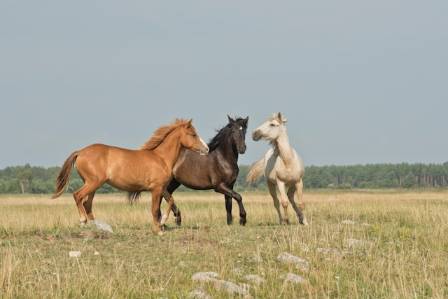
Horses are herd animals with strong social instincts, and isolation can lead to stress, anxiety, and behavioral problems (e.g., pacing, chewing fences, aggression). To meet their social needs, horses should be kept with other horses whenever possible—this can be in the same paddock or adjacent paddocks where they can see, hear, and interact with each other. If keeping multiple horses, ensure the group is compatible (avoid mixing aggressive and timid horses) and that there is enough space, feed, and water to prevent competition. If a horse must be kept alone (e.g., due to medical reasons), provide alternative forms of stimulation, such as regular human interaction, toys, or access to a neighboring horse’s paddock, to reduce loneliness and stress.
Supervision and Monitoring: Daily Care and Observation
Regular supervision is essential to detect early signs of illness, injury, or distress in horses—check your horse at least once a day, and more frequently if it is ill, injured, or elderly. During checks, observe the horse’s behavior (e.g., alertness, appetite, demeanor), physical condition (e.g., coat quality, body weight, hoof health), and environment (e.g., feed and water availability, shelter condition). Handle your horse regularly to build trust and make it easier to manage during vet visits, farrier appointments, or grooming. If you notice any changes—such as lethargy, loss of appetite, lameness, abnormal discharge, or behavioral shifts—consult a veterinarian promptly, as early intervention can often prevent minor issues from becoming serious.
Stallion Management: Responsible Breeding and Care
Stallions (uncastrated male horses) are highly territorial and difficult to manage, making them unsuitable as companion animals for most owners. Unless a stallion is being used for breeding, it should be castrated (gelded) by a veterinarian at a young age (typically 1–2 years old) to reduce aggression, improve temperament, and make it easier to handle. Geldings (castrated males) and mares (females) are much more docile and suitable for riding or companionship. If you do own a stallion for breeding, provide separate housing to prevent fights with other horses, implement strict handling protocols (e.g., use a lead rope with a chain, have an experienced handler), and ensure it receives proper training to manage its behavior.
Responsible Disposal of Your Horse: When Care Is No Longer Possible
If you can no longer care for your horse (e.g., due to financial hardship, health issues, or lifestyle changes), it is your responsibility to arrange for its welfare—abandoning a horse is cruel and illegal. Options include rehoming the horse to a suitable owner (via private sale, horse rescue organizations, or adoption programs), selling it at a reputable saleyard, or having it humanely euthanized by a veterinarian. When rehoming, screen potential owners carefully to ensure they can provide proper care, and provide documentation of the horse’s health history, vaccinations, and training. Euthanasia is a compassionate choice if the horse is suffering from untreatable illness or injury, and should be performed by a veterinarian to ensure a painless death.
Riding Your Horse: Safety, Training, and Equipment
Riding a horse safely and enjoyably requires proper training, equipment, and knowledge. If you are a beginner, seek professional lessons from a qualified riding instructor to learn basic skills like mounting, dismounting, steering, and stopping—this will help you build confidence and avoid injury to yourself or the horse. Join a pony club or riding establishment to gain experience, practice with other riders, and access trained horses. Use properly fitting riding equipment: a well-fitted saddle and bridle prevent discomfort and injury to the horse, while a certified safety helmet and riding boots protect you. Consult a saddler or instructor for advice on selecting equipment, and inspect it regularly for wear and tear. Always ride in a safe environment (e.g., enclosed arenas, designated trails) and never ride beyond your skill level—gradually increase the duration and intensity of rides as you and your horse gain experience.
Breeding Horses: A Commitment to Health and Welfare
Breeding horses is a complex and costly undertaking that should only be done by experienced owners or with guidance from equine professionals. It requires significant time, money, and specialized facilities to care for the mare during pregnancy, birth, and lactation, and to raise the foal properly. Before breeding, ensure both the mare and stallion are in good health (with veterinary checks for genetic disorders, reproductive health, and vaccinations), and have suitable temperaments and conformation. Breeding should not be done indiscriminately—avoid producing foals that are unlikely to find good homes or that may inherit health issues. If you are considering breeding, research the process thoroughly, consult a reproductive veterinarian, and prepare for the responsibilities of caring for a mare and foal (e.g., prenatal care, foaling assistance, orphaned foal care if needed).
Things to Consider Before Buying a Horse: Pre-Purchase Planning
Buying a horse is a major decision that requires careful planning and consideration. Before purchasing, assess your ability to meet the horse’s needs: do you have enough time to provide daily care (feeding, cleaning, exercise)? Can you afford the ongoing costs (feed, veterinary care, farrier services, equipment, boarding)? Do you have suitable property with adequate space, shelter, fencing, and pasture? Is the property close to home so you can visit daily? Additionally, consider your experience level—choose a horse that matches your skill (e.g., a calm, well-trained horse for beginners, a more athletic horse for experienced riders). Make a list of essential equipment you will need, including a saddle, bridle, grooming supplies, feed and water containers, and safety gear, and budget for these expenses.
Tips for Buying a Horse: Making an Informed Decision
To ensure you buy a healthy, suitable horse, take the following steps: arrange a pre-purchase veterinary examination (including a physical check, lameness evaluation, and possibly blood tests or X-rays) to identify underlying health issues; bring a trusted horse expert (e.g., trainer, instructor) with you to assess the horse’s temperament, conformation, and suitability; and request a trial period (1–2 weeks) to observe the horse’s behavior, adaptability, and compatibility with your lifestyle. Avoid buying a horse sight unseen, and be wary of sellers who rush the process or refuse to provide health records. Ask questions about the horse’s history (e.g., training, previous owners, health issues) and observe it in different situations (e.g., being caught, groomed, ridden) to get a full picture of its personality and behavior.
Emergency Plan for Your Horse: Preparing for the Unexpected
Having a detailed emergency plan is critical to protecting your horse during natural disasters (e.g., floods, fires, storms) or unforeseen events (e.g., illness, injury, evacuation). Start by microchipping your horse for identification and ensuring your property has a valid PIC—this will help locate your horse if it becomes lost or separated from you. Create an emergency kit with essential supplies: feed, water, buckets, blankets, first-aid items (e.g., bandages, antiseptic), and important documents (health records, ownership papers). Identify evacuation routes and a safe destination (e.g., a friend’s property, emergency animal shelter) and make arrangements for transportation. Familiarize yourself with local emergency services and contact information for your veterinarian, farrier, and horse rescue organizations. Review and update your emergency plan regularly to ensure it remains relevant and effective.