Grove read
Gardenia Guide: Everything You Need To Know
Gardenias are widely admired for their elegant white blossoms and rich, sweet fragrance, making them a favorite among both gardeners and flower lovers. This guide explains everything you need to know about growing and maintaining gardenia plants, including planting methods, care routines, and practical uses.
Alex Green
Margin note
Reading tip
The full digest continues below among botanical margin notes.
Grove
Olive Digests
Gardenias are widely admired for their elegant white blossoms and rich, sweet fragrance, making them a favorite among both gardeners and flower lovers. This guide explains everything you need to know about growing and maintaining gardenia plants, including planting methods, care routines, and practical uses.
Plant Profile
Botanical name: Gardenia spp.
Common names: Gardenia, Cape jasmine
Family: Rubiaceae
USDA hardiness zones: 8–11
Native range: Asia and Africa
Description
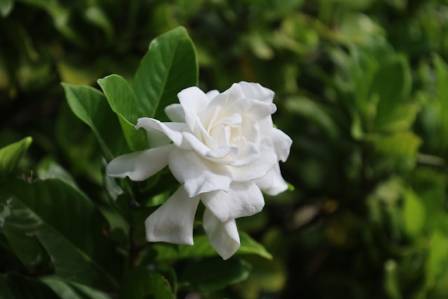
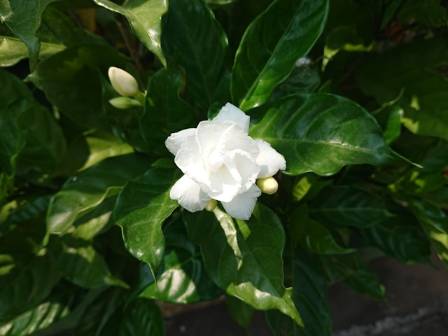
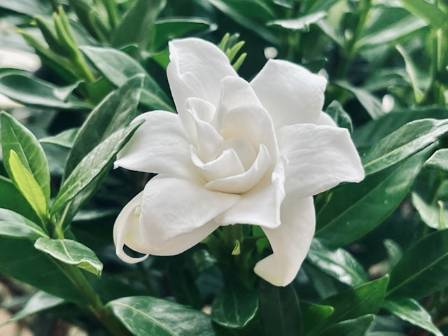
Gardenias are evergreen shrubs known for their glossy, deep green foliage and highly fragrant creamy-white flowers. The blooms are usually large, visually striking, and have a waxy texture with an intense perfume-like scent.
Different gardenia types vary in size and structure, ranging from compact shrubs suitable for containers to larger, more open-growing forms.
Growing Conditions
Sunlight
Gardenias grow best in partial shade to full sun, though in hot climates they benefit from protection against strong afternoon sunlight.
Temperature
Ideal temperatures are around 65°F–70°F (18°C–21°C). These plants do not tolerate cold well and may need frost protection in cooler seasons.
Soil
They prefer acidic, nutrient-rich, well-draining soil. A pH between 5.0 and 6.0 supports healthy growth.
Watering
Soil should remain evenly moist but never soggy. Regular deep watering is important, especially in warm or dry conditions.
Humidity
High humidity is beneficial. Indoor plants often need misting or a humidity tray to maintain healthy foliage.
Winter Care
Gardenias should be protected from frost by covering outdoor plants or moving container plants indoors.
During dormancy, watering and feeding should be reduced to allow the plant to rest and conserve energy.
Planting Gardenias
Plant in acidic, well-draining soil enriched with organic matter such as compost or peat.
Choose a location with filtered sunlight or partial shade and protection from strong winds and harsh afternoon sun.
Space plants about 3–6 feet apart depending on variety and desired growth density.
Care and Maintenance
Watering
Maintain consistent soil moisture while avoiding waterlogging. Water at the base to encourage strong root development.
Fertilizing
Use a fertilizer designed for acid-loving plants. Apply during the active growing season following label instructions.
Pruning
Light pruning after flowering helps remove faded blooms and maintain shape. Heavy cutting should be avoided since flowers develop on older wood.
Pest and Disease Management
Watch for pests such as aphids, scale insects, and mealybugs. Treat infestations using neem oil or insecticidal soap.
Fungal issues like powdery mildew or leaf spot should be addressed promptly with appropriate treatments.
Propagation
Gardenias are commonly propagated using stem cuttings. These can be taken from soft new growth in spring or semi-hardwood cuttings in summer once stems begin to mature.
Dip cuttings in rooting hormone and place them in a well-draining propagation medium.
Keep the soil lightly moist and provide bottom heat to encourage root formation.
Flowering
Most gardenias bloom from late spring into early summer, though some varieties may flower intermittently throughout the year.
Removing faded flowers encourages continued blooming and prevents seed formation.
Problem Solving
Yellow leaves may indicate stress caused by insufficient light, overwatering, cold temperatures, or hard (lime-rich) water. Moving the plant to brighter but indirect light can help, while ensuring proper drainage is essential. Using rainwater or filtered water is often beneficial.
Yellowing shoot tips usually suggest exposure to temperatures that are too low.
Bud drop can occur when the plant experiences environmental stress such as irregular watering, low humidity, or temperature extremes.
Poor flowering may result from incorrect feeding, dry air, or excessive heat.
Uses of Gardenias
Ornamental value
Gardenias are widely grown for their beauty and fragrance in gardens, containers, and indoor spaces, enhancing both visual appeal and scent.
Cut flowers
Their blossoms are popular in floral arrangements and bouquets due to their elegance and strong fragrance.
Garden Design Applications
Companion planting
Gardenias grow well alongside other acid-loving plants such as azaleas, camellias, and rhododendrons. They also pair nicely with shade plants like ferns and hostas.
Avoid combining them with plants that require alkaline soil or very different watering needs.
Design ideas
Gardenias can be used as focal points in garden beds or containers where their fragrance can be fully appreciated.
Mass plantings create a strong visual and aromatic impact when grouped together.
Landscape use
In natural-style gardens, gardenias blend well with woodland or tropical plantings alongside other shade-tolerant species.
In formal designs, they can be used for structured borders, hedges, or symmetrical arrangements to add elegance.
Conclusion
Gardenias are valued for their stunning appearance, powerful fragrance, and versatility in both gardens and indoor spaces. With proper care, they can thrive for many years and provide consistent beauty and enjoyment.
More along this branch
LEAF · en

The best portable bluetooth speakers for every adventure
Portable Bluetooth speakers make it easy to bring your favorite music wherever life takes you. Whether you're relaxing by the pool, spending a day at the beach, camping under the stars, hiking through nature, or getting ready for a night out, a quality speaker can instantly enhance the experience.
LEAF · en

A Comprehensive Guide to Selecting Women’s Underlayers: Enhancing Every Silhouette
Choosing the ideal underlayer—be it a delicate camisole, a fitted bodysuit, or a light knit—is a foundational step in building a sophisticated wardrobe. These essential pieces do more than provide comfort; they serve as the structural base for your entire outfit, influencing how your silhouette appears and how your outer layers drape. By understanding your specific body type, you can select underlayers that accentuate your best features and provide a seamless, confident look for any occasion.
LEAF · en

15 Races in the US That Every Runner Needs To Do
For runners, the motivation to tie up our shoes is as varied as the races themselves. We chase personal goals, the thrill of competition, the weight of a finisher's medal, and the incredible community spirit. The real challenge isn't getting out the door, but choosing which iconic event to target. To help you decide, we've curated a list of the most legendary and breathtaking races across the United States.
LEAF · en

The Well-Documented Health Benefits of Coffee: An In-depth Exploration
Coffee has become an integral part of the daily lives of numerous people around the world. It's not just a simple drink that helps us get going in the morning or provides a momentary break during a busy day; rather, it holds a wealth of health benefits that have been thoroughly investigated and verified through extensive scientific research. From its impact on our general health to its potential role in preventing certain diseases, coffee offers far more than just its appealing taste and pleasant aroma. Let's explore the top evidence-based health benefits of coffee one by one.
LEAF · en

Everything You Need to Know About Roses
No one can say for certain what Gertrude Stein intended when she wrote, “A rose is a rose is a rose is a rose.” What remains clear is that roses have long represented beauty, harmony, and the gifts of the natural world. People admire them in every form, whether arranged in elegant bouquets, worn as floral decorations, printed on cards, or climbing freely across garden arches and trellises.
LEAF · en

Famous Ship Paintings: Exploring the Timeless Charm of Nautical Art (Rewritten & Expanded)
To discuss the history of human civilization is to inevitably confront the significance of ships—a symbol that transcends mere transportation. For millennia, ships have served as lifelines of global trade, facilitating economic prosperity and cultural exchange across continents; yet, they have also been instruments of colonial expansion and the transatlantic slave trade, bearing witness to humanity’s darkest atrocities. This dual nature of ships—their role as agents of connection and conflict—has made them enduring subjects in the world of art. Nautical paintings, or ship paintings, do more than depict the majestic beauty of vessels on the water; they capture the spirit of their eras, preserving stories of exploration, war, survival, and hope. In this expanded exploration, we will delve into the rich history of marine art, examine ten of the most famous ship paintings that have shaped the genre, and unpack the profound symbolic meanings that ships carry in artistic representation. Whether you are an art enthusiast, a history buff, or simply drawn to the allure of the sea, these works offer a window into the complex relationship between humanity and the ocean.