Grove read
Floral Watercolour Painting
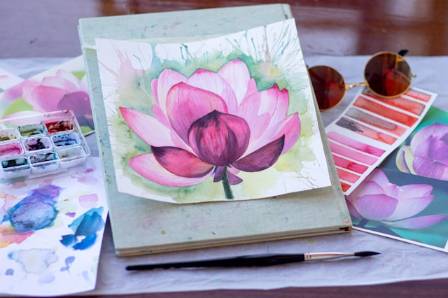
Painting flowers in watercolour is a soothing and rewarding way to connect with nature. It encourages you to slow down, observe carefully, and enjoy the simple pleasure of watching pigment flow across paper.
Chloe Bennett
Margin note
Reading tip
The full digest continues below among botanical margin notes.
Grove
Olive Digests
Painting flowers in watercolour is a soothing and rewarding way to connect with nature. It encourages you to slow down, observe carefully, and enjoy the simple pleasure of watching pigment flow across paper.
I’ve been immersed in painting since childhood, and I began studying botanical illustration at 18. I was captivated by how it blends careful observation with creative expression—a combination of science and art that has stayed with me throughout my life, even as I trained to become a doctor.
Now, as both a botanical illustrator and instructor, I continually return to this delicate art form. It’s not only the beauty of the finished artwork that draws me in, but also how the act of painting can nurture calm, focus, and joy. Even a brief session with a brush can help quiet the mind, ease stress, and invite a gentle sense of satisfaction.
In this guide, I’ll share the materials I use, the simple steps I follow, and a few approachable ways to begin painting flowers in watercolour. Whether you’re a complete beginner, returning after a break, or just curious, you’ll find something helpful here.
1. What is Floral Watercolour Painting?
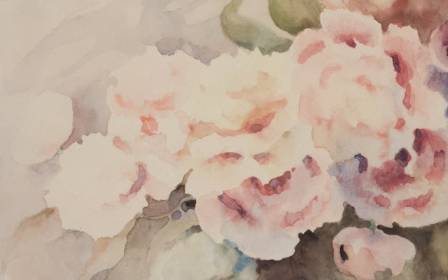
Floral watercolour painting is the practice of using water-based paints to depict flowers—their shapes, colors, and subtle details. It lies somewhere between traditional botanical illustration, which emphasizes scientific accuracy, and expressive watercolour art, which often prioritizes softness, suggestion, and atmosphere.
For me, it’s a practice of mindfulness, noticing the little things in nature: the curve of a stem, the delicate texture of a petal, or the way light and shadow play across a bloom.
Watercolour flower painting doesn’t have to feel intimidating. Perfect accuracy isn’t required, and a minimal set of tools is enough to start. Flowers themselves are forgiving subjects—each bloom is unique, and there’s beauty in their natural imperfections.
This process is as much about observing as it is about painting. Learning to notice subtle variations in shape, light, and color not only improves your skill but also cultivates calm and presence.
2. How to Begin Painting Flowers in Watercolour
Before starting, it helps to have quality materials, a simple workspace, and a quiet mindset. With some preparation and patience, painting flowers can be a relaxing and rewarding activity.
Materials for Floral Watercolour
While you don’t need a large collection, investing in good-quality tools can make a difference:
Watercolour Paints: Choose artist-grade paints for rich, vibrant pigments. I often use Winsor & Newton Professional Watercolours, starting with a few core colors and expanding as I go.
Brushes: Use brushes designed for watercolour. I prefer synthetic brushes from Rosemary & Co—they hold their shape well and are cruelty-free. Small round brushes are ideal for details, while larger rounds work for washes.
Paper: Standard paper doesn’t handle watercolour well. Choose 300gsm (140lb) watercolour paper to prevent buckling. Hot-pressed paper offers smooth surfaces, while cold-pressed adds texture.
Other Essentials: A hard pencil (HB or 2H) for sketching, a soft eraser, a palette, two jars of water (one for rinsing, one for mixing), and a paper towel or cloth for blotting.
I also share a detailed list of my preferred materials through my Artist’s Journal newsletter, including brushes, paints, and paper for botanical work.
Preparing Your Workspace
Set up a calm, comfortable area to paint, even if only for short sessions. A dedicated corner encourages regular practice without repeated setup.
Good lighting is essential—natural light is ideal, with a window to your left if you’re right-handed (or reversed if left-handed). If sunlight isn’t available, a daylight lamp works well. Add elements that make your space pleasant, like a cup of tea or a small candle.
If using loose sheets of paper, consider stretching your paper to prevent warping. Soak it, tape it to a board, and let it dry completely before starting.
Choosing Your Subject
You don’t need anything elaborate. A single flower from a garden, a walk, or a florist is perfect. Spend a few moments observing its structure: the petals’ shape, the leaves’ curve, the direction of shadows. This careful observation is part of the creative process.
When planning your composition, start simple. Sketch lightly in pencil to map out placement and leave breathing space around your flower for an airy, open feel.
3. Basic Watercolour Techniques for Flowers
Watercolour can feel unpredictable, but starting with a few key techniques builds confidence:
Light Sketching: Begin with a soft pencil to outline the main shapes. Accuracy isn’t the goal—just placement and general structure.
First Wash: Apply a light layer of color, often over dampened paper. This allows pigments to flow naturally and creates soft blends, ideal for petals or background areas.
Layering: Once dry, add additional layers to build depth and dimension. Let each layer dry completely to prevent muddy colors, and consider the light source to shape shadows gradually.
Adding Details: Use a dry brush with minimal water for fine lines, veins, or subtle textures. Step back periodically to see where contrast or highlights are needed.
4. Your First Floral Watercolour: A Rose Petal
A small, manageable project is ideal for beginners. I’ve created a free step-by-step guide for painting a single rose petal. This project covers everything you need to get started:
Setting up your workspace
Selecting appropriate materials
Sketching and transferring your design
Painting in layers with simple techniques
Adding delicate details
By following this guide, you’ll finish with a beautiful rose petal painting, and gain a solid introduction to the approach I use in all my botanical illustrations.
Floral watercolour painting isn’t just about the finished piece—it’s about slowing down, observing nature, and enjoying a mindful, creative process. With a little practice, you’ll not only improve your painting skills but also discover the quiet joy this gentle art form can bring.
More along this branch
LEAF · en

The Guide to Planning Your Dream Beach Vacation
As the road stretches ahead beneath a canopy of waving palm trees, passing small roadside shops and stands filled with Southern treats, the steady rhythm of the journey sets the mood for the adventure waiting ahead. The ocean breeze flows through the open windows, carrying the fresh scent of the Atlantic, reminding you that the beach is near. Children eagerly talk about making castles in the sand, searching for dolphins, and spending endless hours by the water. North Myrtle Beach is calling, offering sunny afternoons, peaceful evenings by the shore, and countless moments your family will remember for years.
LEAF · en

The Essence of Men’s Artistic Gymnastics: A Comprehensive Guide to the Six Disciplines
Men’s artistic gymnastics (MAG) stands as the cornerstone of gymnastics, with roots tracing back to ancient Greece, where athletes trained in strength, flexibility, and precision to prepare for warfare and competition. Recognized as the oldest form of organized gymnastics, it evolved through centuries—from 19th-century European gymnasiums to its debut as an Olympic sport at the first modern Games in 1896—to become a showcase of human physical excellence. At the elite level, MAG athletes compete across six demanding disciplines: floor exercise, pommel horse, still rings, vault, parallel bars, and high bar. Each event demands a unique blend of core skills—strength, balance, coordination, agility, and mental fortitude—while pushing the boundaries of what the human body can achieve. Below is an in-depth exploration of each discipline, uncovering the technical nuances, historical context, and competitive standards that define men’s artistic gymnastics.
LEAF · en

The Chicest Winter Coats 2025: Trends & Must-Have Styles Selling Out Fast
Winter coats are the ultimate wardrobe investment—one you’ll reach for year after year, never regretting a single penny spent. Far from an afterthought tossed on as you dash out the door, a great winter coat doesn’t just keep you warm; it completes your outfit, elevates even the simplest jeans-and-sweater combo, and becomes a signature piece that defines your seasonal style. Whether you’re chasing the latest Autumn/Winter 2025 trends or craving a timeless classic that transcends fads, this season’s best winter coats offer something for every taste, budget, and occasion. From maxi lengths and shaggy textures to versatile wrap styles and sleek suede trenches, the options are as stylish as they are functional—though you’ll need to act fast: the most sought-after designs are already flying off shelves.
LEAF · en

Where is Earth’s Largest Waterfall?
Rivers plunging through Earth’s deep gorges can produce spectacular waterfalls, natural wonders that attract millions of people with their dramatic beauty, immense scale, and tremendous force. Yet even the greatest waterfalls visible on land are dwarfed by enormous cascades hidden deep beneath the ocean.
LEAF · en

How Next Generation Sofa Designs are Changing Modern Living Rooms
The upcoming interior design movements bring a distinct focus on gentle silhouettes, highly textured materials, and color schemes rooted deeply in the natural world. Contemporary seating arrangements are breaking away from rigid formats to encourage a more hospitable, experimental approach to living spaces. By blending organic shapes, advanced textiles, and soft lighting, modern layouts give the living room a completely refreshed identity centered on relaxation and social interaction.
LEAF · en

Exploring Light Meals: Nourishing Options for Every Day
In our fast-paced world, finding meals that are both satisfying and gentle on the digestive system is essential. Light meals offer a perfect balance, providing necessary nutrients without overwhelming the body. These meals are typically low in calories, easy to digest, and rich in essential nutrients. In this guide, we'll delve into what constitutes a light meal, its benefits, and some delicious options to consider