Introduction: The Allure and Mystery of the White Tiger
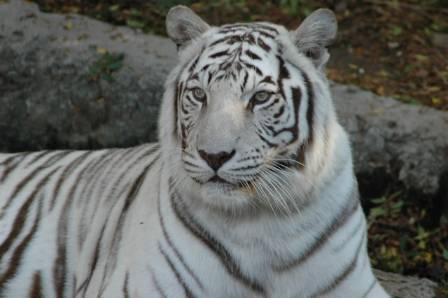
Few creatures command attention like the white tiger. With its snow-white fur, jet-black stripes, and piercing blue eyes, this big cat stands as one of nature’s most captivating spectacles, weaving a spell over anyone fortunate enough to see it. Found in select conservation parks worldwide—including Taman Safari Bali—white tigers have long been surrounded by myths, from being revered as divine beings in ancient cultures to being misunderstood as a distinct tiger species. Yet beyond their breathtaking appearance lies a fascinating story of genetics, adaptation, and conservation. Contrary to popular belief, white tigers are not a separate subspecies nor albino; they are a rare genetic variant of the Bengal tiger (Panthera tigris tigris), shaped by a recessive gene that alters their pigmentation. Their existence highlights the complexity of natural genetics, while their presence in zoos and conservation centers plays a pivotal role in raising awareness about the broader threats facing all tiger populations. In this exploration, we delve into the science behind their unique coloration, their physical traits, the challenges they face in the wild, and their vital role in conservation education—separating fact from fiction to celebrate one of nature’s most extraordinary creations.
Genetic Identity: Debunking the “Separate Species” Myth
The most persistent misconception about white tigers is that they represent a distinct subspecies of tiger, alongside the Bengal, Sumatran, or Amur tiger. This couldn’t be further from the truth. Tigers are classified into six surviving subspecies, each defined by geographic distribution, physical adaptations, and genetic distinctiveness—not coat color. The white tiger is genetically identical to the Bengal tiger, the most numerous tiger subspecies, which inhabits the Indian subcontinent, Bangladesh, Nepal, and Bhutan. Its unique white coat is the result of a rare genetic mutation: a recessive allele (gene variant) that suppresses the production of pheomelanin, the pigment responsible for the orange hue in typical Bengal tigers. For a white tiger cub to be born, both parent tigers must carry this recessive gene—even if the parents themselves have the standard orange coat. This genetic requirement makes white tigers extremely rare in the wild: it’s estimated that only one in every 10,000 Bengal tiger births results in a white offspring. This rarity has fueled fascination for centuries, but it also underscores a critical point: white tigers are not a “new” type of tiger, but a beautiful expression of genetic diversity within the Bengal tiger species.
Leucism vs. Albinism: The Pigment Puzzle Solved
Another common myth is that white tigers are albino. In reality, their coloration stems from leucism—a genetic condition distinct from albinism. The key difference lies in pigment production: albinism is caused by a complete lack of melanin (the pigment that gives color to skin, hair, and eyes), resulting in white fur, pink skin, and red or pink eyes (due to blood vessels showing through the unpigmented iris). Leucism, by contrast, is a partial loss of pigmentation: white tigers lack pheomelanin (the orange pigment) but retain eumelanin, the dark pigment that creates their iconic black stripes and pigmented skin. This is why white tigers have dark stripes, black noses, and striking blue eyes—traits impossible in true albinos. The leucistic gene in tigers is recessive, meaning both parents must pass on the allele for the trait to appear in their offspring. Historically, this genetic quirk made white tigers highly sought after in zoos and private collections, leading to unethical captive breeding practices—including inbreeding between close relatives—to increase the chances of producing white cubs. Today, reputable institutions like Taman Safari Bali adhere to strict ethical standards, prioritizing genetic diversity and animal welfare over cosmetic traits, ensuring that white tigers in their care live healthy, enriched lives.
Physical Traits: Beyond the White Coat
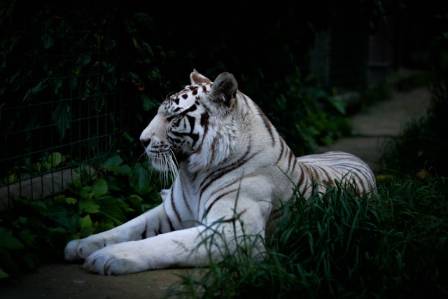
The white tiger’s appearance is not limited to its distinctive fur—this genetic variant boasts several unique physical characteristics that set it apart from its orange counterparts. One of the most notable differences is growth rate and adult size: studies have shown that white tiger cubs grow faster in their early months and often reach a larger adult size than orange Bengals. Adult white tigers typically weigh between 200–300 kilograms (440–660 pounds) for males and 130–180 kilograms (290–400 pounds) for females, with a body length of up to 3 meters (10 feet) including the tail. This larger stature, combined with their muscular build, enhances their imposing presence. Another defining feature is their stripe pattern: like human fingerprints, no two tigers—whether white or orange—share identical stripes. These stripes are not just a surface trait; they are embedded in the tiger’s skin. If a white tiger were shaved, its stripes would remain visible as dark pigmentation on the skin, and the fur would regrow in the same pattern. This unique marking system serves multiple purposes in the wild, including individual identification and camouflage (though the white coat undermines this latter function). Finally, white tigers are almost universally characterized by their bright blue eyes—a trait directly linked to the same recessive gene that causes their white fur. The gene’s suppression of pigmentation extends to the iris, resulting in the vivid blue hue that adds to their ethereal beauty.
Wild Survival: The Curse of the White Coat
While the white coat is stunning to humans, it is a significant disadvantage in the wild—a fact that explains why white tigers are so rarely seen in their natural habitat. Tigers are ambush predators, relying on camouflage to stalk prey (such as deer, wild boar, and antelope) undetected. The orange coat of typical Bengals blends seamlessly with the dry grass, forest undergrowth, and dappled sunlight of their environment, allowing them to get within striking distance of prey. A white tiger, by contrast, stands out dramatically against these natural backgrounds, making it far less effective at hunting. This lack of camouflage means white tigers struggle to secure enough food to survive, especially as cubs, which are already vulnerable to starvation and predation. Additionally, the white coat may make them more visible to larger predators (though adult tigers have few natural enemies) and competitors. Historical records suggest that white tigers once roamed parts of India, Bangladesh, and Nepal, but sightings in the wild have become extremely rare—likely due to their low survival rates and the overall decline of Bengal tiger populations. Today, almost all white tigers live in captive settings, where their unique appearance is protected and celebrated, rather than being a liability.
Captive Breeding: Ethics, Challenges, and Best Practices
The rarity of white tigers has made them a prized attraction in zoos and wildlife parks for over a century, but this demand has come with significant ethical challenges. In the early days of captive breeding, many facilities engaged in inbreeding—mating closely related tigers (such as siblings or parent-offspring) to increase the likelihood of producing white cubs. This practice led to a host of health problems, including genetic disorders, reduced fertility, immune system deficiencies, and physical deformities (such as crossed eyes, spinal issues, and organ defects). Fortunately, modern conservation institutions have rejected these unethical methods, adopting science-based breeding programs that prioritize genetic diversity and animal welfare. At Taman Safari Bali, for example, white tigers are part of a carefully managed population where genetic health is paramount. Breeders track the lineage of each tiger to avoid inbreeding, ensuring that cubs are born healthy and resilient. These programs also recognize that white tigers, as part of the Bengal tiger species, play a role in maintaining genetic diversity—even if their leucistic trait is rare. Captive breeding, when done ethically, serves two key purposes: it preserves the genetic material of Bengal tigers (including the recessive leucistic gene) and provides a sustainable population of white tigers for conservation education.
Conservation Education: The White Tiger’s Superpower
While the primary focus of tiger conservation must be protecting wild populations and their habitats, white tigers have a unique and powerful role to play in education. Their striking appearance draws millions of visitors to zoos and conservation centers each year, creating an invaluable opportunity to engage the public in conversations about tiger conservation. For many people, seeing a white tiger in person is a transformative experience—one that sparks curiosity about the species, its biology, and the threats it faces. Conservation educators leverage this fascination to teach visitors about the challenges confronting all tigers: habitat loss due to deforestation and human encroachment, poaching for their fur and body parts (valued in traditional medicine), and human-wildlife conflict (as tigers compete with humans for land and resources). By connecting the beauty of the white tiger to the broader plight of Bengal tigers and other subspecies, these institutions inspire visitors to take action—whether through donations, supporting conservation initiatives, or advocating for wildlife protection. In this way, white tigers act as “ambassadors” for their species, turning public admiration into tangible support for critical conservation work.
Taman Safari Bali: A Haven for White Tigers and Conservation
Taman Safari Bali is more than just a home for white tigers—it is a leader in ethical care, conservation, and education. The park’s white tigers receive world-class treatment, with spacious, naturalistic enclosures that mimic their wild habitat, enrichment activities to stimulate their minds and bodies, and regular veterinary care to ensure their health and well-being. Visitors to the park can observe these majestic cats up close through the Jungle Hopper experience, learning about their biology, behavior, and the importance of conservation from knowledgeable guides. Beyond caring for white tigers, Taman Safari Bali is deeply committed to protecting endangered species across Indonesia and beyond. The park participates in global conservation programs, supports anti-poaching efforts, and works to restore tiger habitats. It also plays a key role in breeding programs for other endangered species, such as the Bali Starling and Sumatran rhinoceros. By combining exceptional animal care with impactful education, Taman Safari Bali demonstrates how captive white tigers can be a force for good—using their unique appeal to drive positive change for all tigers.
Conclusion: Celebrating Rarity, Protecting Diversity
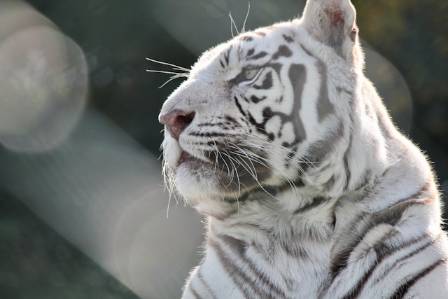
The white tiger is a testament to the wonders of nature’s genetic diversity—a rare and beautiful variant of the Bengal tiger that has captivated humans for centuries. By debunking myths about their species status and pigmentation, we gain a deeper appreciation for their biology and the role they play in the natural world. While their white coat makes them unsuited for survival in the wild, their presence in ethical captive settings allows us to celebrate their beauty and use it as a tool for conservation. As we marvel at their striking appearance, we must also remember the broader context: Bengal tigers and other tiger subspecies are facing unprecedented threats, with wild populations declining due to habitat loss, poaching, and human-wildlife conflict. The white tiger’s allure gives us a unique opportunity to raise awareness, inspire action, and support the critical work of protecting these magnificent big cats. At Taman Safari Bali and other reputable conservation institutions, white tigers are not just attractions—they are ambassadors for their species, reminding us of the importance of preserving genetic diversity and safeguarding the natural world for future generations. In the end, the white tiger’s true power lies not just in its beauty, but in its ability to unite people in the fight to save tigers everywhere.