Grove read
Tracking volcanic rock to the shores of Belize
For many years, scientists have discovered pieces of pumice, a lightweight volcanic stone filled with tiny air pockets, scattered along the beaches and mangrove forests of Belize. The unusual discovery was puzzling because there are no active volcanoes located nearby that could have produced these rocks.
Dorian West
Margin note
Reading tip
The full digest continues below among botanical margin notes.
Grove
Olive Digests
For many years, scientists have discovered pieces of pumice, a lightweight volcanic stone filled with tiny air pockets, scattered along the beaches and mangrove forests of Belize. The unusual discovery was puzzling because there are no active volcanoes located nearby that could have produced these rocks.
Driven by curiosity and persistence, one researcher brought together a team of scientists from different fields to uncover the origin of this mysterious material. Their investigation revealed important connections between geological activity, ocean circulation, and biological processes throughout the Caribbean region.
As a geological oceanographer at the Smithsonian National Museum of Natural History, Dr. Maggie Toscano has spent much of her career studying how coastal landscapes change over thousands of years due to rising sea levels and environmental shifts. Her research has taken her from salt marshes and barrier islands along the eastern United States to coral reefs and mangrove ecosystems in the Caribbean.
In recent years, her work brought her to Belize’s Mesoamerican Barrier Reef, where the Smithsonian has operated a research station on Carrie Bow Cay since 1974. While examining thick layers of peat, which consist of preserved plant material beneath mangrove islands, Maggie noticed something unexpected. Large amounts of lightweight, porous rocks were scattered across the sandy carbonate island and caught among mangrove roots above the high-tide line.
The Strange Presence of Pumice
Pumice is a volcanic rock created when eruptions release lava filled with gas bubbles. Today, people commonly use it for removing rough skin from their feet and for producing lightweight construction materials.
Because pumice floats, it can travel across oceans and other bodies of water for long distances. Along the way, marine organisms and plants can attach themselves to these floating rocks, allowing pumice to act as a natural transport system for life.
Scientists had repeatedly noticed this unusual floating debris at Carrie Bow Cay and nearby Twin Cays. The naturally formed pumice clearly came from another location and was unrelated to the locally created carbonate sediments produced by reef organisms.
Pieces of pumice were found throughout mangrove habitats, resting on peat surfaces, trapped between roots, or balanced on mangrove prop roots. Maggie described it as something that was impossible to miss during field research because it was found everywhere around them.
Researchers visiting the area originally believed the pumice came from volcanic eruptions in Guatemala. They suggested that volcanic material traveled through rivers into the Caribbean Sea before being carried by ocean currents along the coast and toward Belize’s reefs.
This explanation seemed scientifically reasonable, combining knowledge of geology and ocean movement. However, in January 2012, Dr. Juan Gonzalez from The University of Texas–Pan American visited the research station and questioned the commonly accepted explanation.
Juan wanted more than a general answer. He wanted to know exactly where the pumice came from, how it traveled, and why it remained visible on the surface after so many years. His questions encouraged Maggie to investigate the mystery in greater detail.
Understanding the Geological Connections
Finding the source of Belize’s pumice was not only about identifying a strange rock. Solving the mystery could reveal important relationships between volcanic landscapes, rivers, ocean currents, and coastal ecosystems.
Understanding how materials move from land into the ocean can help scientists learn more about coral reef health, including how nutrients are transported and how marine organisms spread between different reef systems.
Using information from the Smithsonian’s Global Volcanism Program, researchers discovered that Guatemala’s Santa María Volcano experienced a major eruption in 1902. The powerful eruption lasted several weeks and produced large amounts of ash and pumice, with volcanic materials spreading hundreds of kilometers away.
Because the eruption was extremely large, scientists considered it the most likely source of the pumice found in Belize.
However, Juan continued to question the theory. If the pumice had been deposited after the 1902 eruption, why was it still sitting on the surface of sandy islands and mangrove peat more than a century later? Why had it not become buried within the sediment layers?
Searching Beneath the Surface
Over more than 100 years, Belize’s mangrove forests could have produced enough peat to cover small pieces of pumice. Yet when Maggie examined numerous peat cores from the area, she found no buried layers containing significant amounts of pumice.
The absence of pumice within the cores suggested that the floating rocks were not easily trapped underground. Since pumice remains buoyant, tides and storm surges may repeatedly move the rocks around, preventing them from becoming permanently buried.
Although this helped explain why the pumice stayed on the surface, the question of how so much volcanic material reached Belize remained unanswered.
To solve the mystery, Maggie joined forces with Julie Herrick, a volcanologist from the Global Volcanism Program. Together, they began studying volcanic eruption records, layers of volcanic ash and pumice deposits, river pathways, storm events, flooding patterns, and ocean current models.
Their goal was to reconstruct the entire journey of the pumice from volcanic regions in Central America to the shores of Belize.
Tracing the Pumice Pathway
The presence of pumice along Belize’s coast has been recognized for generations and may even have influenced local cultures. Doroteo Cho, a Belize Fisheries Officer on Twin Cays, explained that local residents traditionally used powdered pumice to create strong building blocks and clean cast-iron tortilla pans.
He also noted that ancient Mayan pottery fragments sometimes contained crushed pumice, while modern pottery is usually made entirely from clay. According to local knowledge, pumice does not appear continuously along the coastline, supporting the idea that new supplies arrive through occasional transport events.
Scientists examined possible routes that pumice could have followed from Guatemala’s volcanic highlands to Belize. The Río Motagua and Río Dulce river systems drain large areas of northeastern Guatemala and carry sediment, plant material, and other floating debris into the Caribbean.
Under normal conditions, pumice entering the Gulf of Honduras through rivers can be moved by coastal currents. These currents may carry the rocks along the shoreline and eventually deposit them on beaches, coral reef islands, and mangrove habitats.
Although the main Caribbean Current flows offshore from Belize’s reefs, smaller coastal currents are capable of transporting floating materials from Guatemala toward Belize.
Analyzing the Origins of the Rock
Mapping the possible transportation route was only one part of the investigation. Scientists also needed to confirm exactly which volcano created the pumice.
Laboratory studies of the rock samples could reveal their mineral composition. Using optical and scanning electron microscopes, researchers can identify the minerals inside pumice, while advanced chemical analysis can compare the samples with volcanic ash deposits from known eruptions.
By matching these characteristics, scientists can determine the volcanic source and approximate age of the material.
Pumice as a Natural Ocean Raft
Beyond solving a geological mystery, the study of pumice provides insight into how ecosystems across the Caribbean are connected.
Floating pumice can act as a natural raft, carrying marine organisms such as barnacles and other attached species across large distances. This movement allows life forms to travel between different coastal environments and coral reefs.
At the same time, materials transported from land into the ocean can influence reef ecosystems. Additional nutrients carried by currents may sometimes harm coral health, while the movement of larvae and young organisms can help maintain and restore reef populations.
Linking Volcanoes, Rivers, Oceans, and Reefs
The investigation into Belize’s mysterious pumice reveals the hidden relationships between environments that may seem completely separate. Volcanoes, rivers, ocean currents, coral reefs, and mangrove forests are all connected through natural transportation processes.
By studying where the pumice originated, how it traveled, and where it eventually settled, Maggie Toscano, Julie Herrick, and Juan Gonzalez hope to better understand the movement of materials across the Caribbean.
Their research highlights the powerful connections between Earth’s systems and demonstrates how one unusual discovery can reveal the complex interactions shaping our planet.
More along this branch
LEAF · en
Latte – Everything You Need To Know
A caffè latte is a popular coffee beverage made by combining espresso with milk and finishing it with a thin, smooth layer of foam. Although the ingredients are simple, the result is a drink that tastes balanced and feels silky on the palate.
LEAF · en
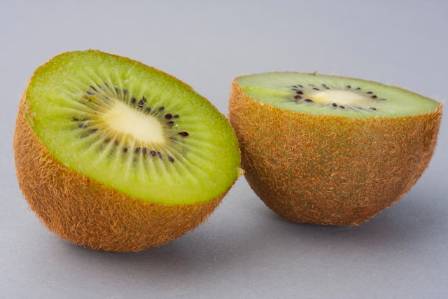
Is Kiwi Fruit Good for You During Pregnancy?
Kiwi, also known as Chinese gooseberry, is rich in essential nutrients and can be a great addition to your pregnancy diet. This small fruit offers a unique mix of vitamins, minerals, and fiber—plus a sweet, tangy flavor that may help satisfy pregnancy cravings in a healthy way.
LEAF · en
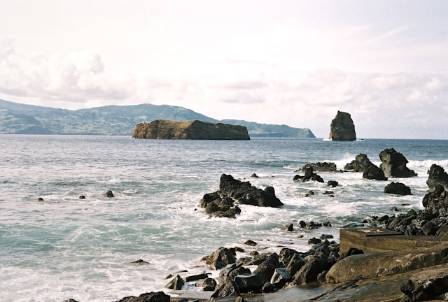
The Most Enchanting Coasts: Top 10 Beaches Worldwide, According to Tripadvisor
Sun-kissed shores have a universal appeal: they soothe the senses, refresh the spirit, and invite a sense of wonder. Tripadvisor’s Travelers’ Choice Awards for 2025 crown the world’s most remarkable beaches, highlighting crystal-clear waters, dramatic scenery, and unique access journeys. From pink sands to limestone cliffs, these shores prove that a beach vacation can be a transformative experience.
LEAF · en
Definitive Guide to Decorating Tables with Fresh Flowers
Matching flower varieties and colors to the table’s overall theme helps elevate the mood and visual harmony.
LEAF · en
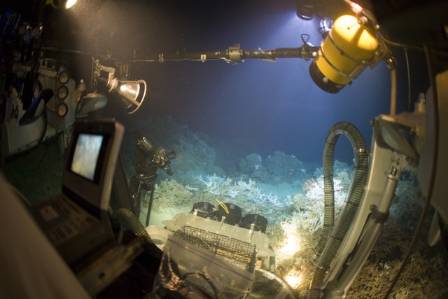
Manned Submersibles: Human Exploration of the Deep Ocean
Manned submersibles enable humans to reach the most inaccessible regions of the ocean. These specialized underwater vehicles allow a direct human presence in extreme marine environments, offering experiences and capabilities that other platforms, including larger submarines, cannot provide. Unlike full-sized submarines, submersibles generally have limited range and depend on a support ship for extended operations.
LEAF · en
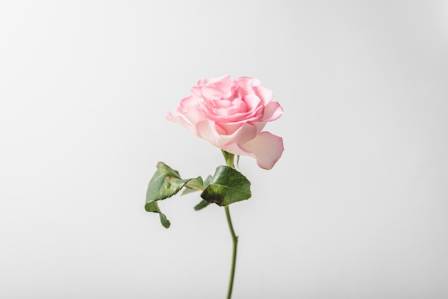
15 Rose Varieties for Your Garden
Roses (Rosa rubiginosa), members of the Rosaceae family, are some of the most beloved flowering shrubs for garden design. The Rosa genus contains over 300 species of woody perennials, with thousands of cultivated varieties derived from these species. While wild roses are native to nearly every continent, most garden roses today are hybrid cultivars developed over generations, often sold under unique cultivar names rather than original species.