Latte – Everything You Need To Know

Grove read

Latte – Everything You Need To Know

A caffè latte is a popular coffee beverage made by combining espresso with milk and finishing it with a thin, smooth layer of foam. Although the ingredients are simple, the result is a drink that tastes balanced and feels silky on the palate.

A

Ava Turner

Margin note

Reading tip

The full digest continues below among botanical margin notes.

Grove

Olive Digests
A caffè latte is a popular coffee beverage made by combining espresso with milk and finishing it with a thin, smooth layer of foam. Although the ingredients are simple, the result is a drink that tastes balanced and feels silky on the palate.
Coffee lovers often explore many espresso-based drinks, but the latte remains one of the most widely enjoyed worldwide. In fact, many flavored café drinks—such as white chocolate mocha or pumpkin spice—are built on a latte base.
In this guide, we’ll explore everything about the latte: its definition, ingredients, background, preparation process, and even tips for creating latte art at home.

What Is a Latte?

Ordering a latte at most cafés means you’ll get one of the simplest espresso drinks. However, in Italy or other parts of Europe, asking for a “latte” may result in a glass of milk, since the word literally translates to “milk.”
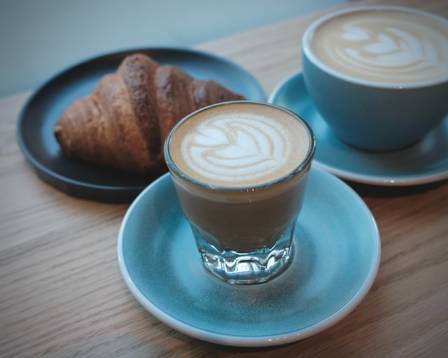
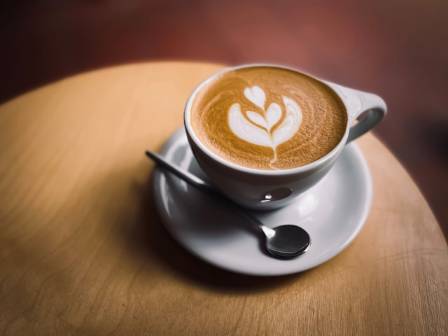
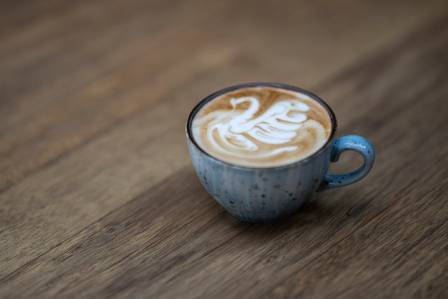
A latte consists of espresso blended with steamed milk and topped with a light foam layer, often decorated with patterns like hearts or rosettes. It shares similarities with drinks like cappuccino, macchiato, cortado, and café au lait.

What Goes Into a Latte?

At its core, a latte only requires espresso and milk. Even so, crafting a high-quality latte takes skill, especially when pulling a proper espresso shot and steaming milk to the right consistency.
You can also customize your drink by adding syrups or flavors such as vanilla, caramel, or hazelnut for extra depth. The finishing touch is a delicate foam layer, which adds both texture and visual appeal.

Why Are Lattes Layered?

A latte typically has distinct layers for two main reasons: presentation and taste.
Appearance: The layered look enhances visual appeal and allows for creative latte art designs.
Flavor balance: The espresso at the bottom delivers a bold taste, the milk softens it with creaminess, and the foam on top helps retain heat while adding a light texture.
Together, these layers create a harmonious drinking experience.

The History of Latte

The latte as we know it today was originally developed for American travelers in Italy who found espresso too strong. To make it more approachable, milk was added.
The term “latte” became standardized in cafés—especially in places like Seattle—during the 1980s. However, mixing coffee with milk dates back much further, with similar practices recorded in Europe as early as the 17th century.

Caffeine Content

The caffeine level in a latte depends on how many espresso shots are used. A standard double-shot latte typically contains about 128 mg of caffeine. Those who want less caffeine can opt for decaffeinated espresso.

Calories in a Latte

The calorie count varies based on the type of milk and any added sweeteners. Whole milk increases richness and calories, while skim or plant-based options like almond or oat milk are lighter. On average, a 12 oz latte contains around 150 calories.

Choosing the Best Milk

Whole milk is often preferred because it creates the creamiest texture and best microfoam. However, alternatives like soy, almond, and oat milk are also popular, though they may produce less stable foam.

How to Froth Milk

Proper milk frothing is essential for a good latte.
Start with cold milk in a pitcher
Introduce air by positioning the steam wand near the surface
Continue steaming to create smooth microfoam
Swirl and tap the pitcher to remove large bubbles
The goal is a glossy texture similar to melted ice cream.

Latte Art Basics

Latte art is created by skillfully pouring steamed milk into espresso. Common designs include hearts, rosettes, and tulips. There are two main methods:
Free pouring: Creating patterns by controlling the milk flow
Etching: Using tools like toothpicks to draw on the foam
Both techniques require practice and precision.

More along this branch

LF

LEAF · en

Tiramisu Unveiled: Fascinating Insights into Italy’s Iconic Coffee Dessert

Tiramisu Unveiled: Fascinating Insights into Italy’s Iconic Coffee Dessert

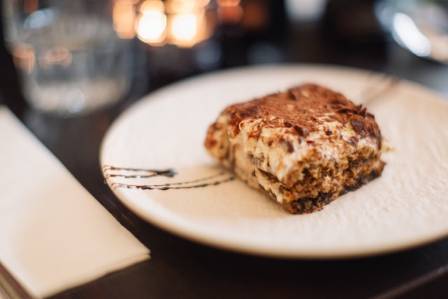
Tiramisu is a globally celebrated Italian sweet known for its rich coffee flavor and luxurious layers. While it is a staple in Italian cuisine, the dessert is a subject of much debate regarding its true heritage. Traditionally, the dish is constructed by soaking porous sponge cakes, such as ladyfingers, in potent espresso. These are then layered with a velvety mixture of mascarpone cheese and zabaglione—a whipped custard typically flavored with Marsala wine. A final dusting of bitter cocoa powder or chocolate shavings provides the perfect contrast to the creamy interior.

LF

LEAF · en

Understanding the Hedgehog: Nature’s Defensive Mammal

Understanding the Hedgehog: Nature’s Defensive Mammal

Hedgehogs are members of the Erinaceidae family and belong to the genus Erinaceus. Classified as mammals, these creatures generally live for about seven years in their natural environment and can grow to weigh up to 1.1kg. Their bodies typically measure between 14cm and 30cm in length, and they are capable of moving in quick bursts at speeds of 9.5km/h. These animals primarily inhabit woodlands, meadows, grasslands, and hedgerows across Africa, Asia, and Europe.

LF

LEAF · en

Largest Natural Arches in the World

Largest Natural Arches in the World

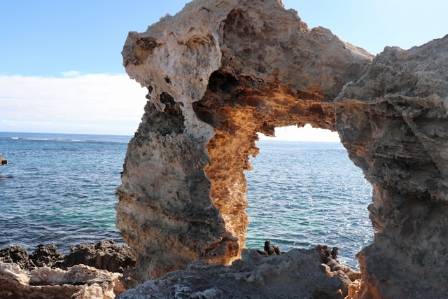
A natural arch is a geological structure created when cliffs or rock formations are gradually worn away by erosion caused by ocean waves, rivers, wind, rain, or other natural forces. In some cases, water continues to flow beneath the opening, and the formation is referred to as a natural bridge. However, the difference between a natural arch and a natural bridge is not always clearly defined. The Natural Arch and Bridge Society considers a bridge to be a type of arch mainly shaped by flowing water, while geological references often describe a natural bridge as an arch that crosses an eroded valley.

LF

LEAF · en

A Comprehensive Guide to Selecting Women’s Underlayers: Enhancing Every Silhouette

A Comprehensive Guide to Selecting Women’s Underlayers: Enhancing Every Silhouette

Choosing the ideal underlayer—be it a delicate camisole, a fitted bodysuit, or a light knit—is a foundational step in building a sophisticated wardrobe. These essential pieces do more than provide comfort; they serve as the structural base for your entire outfit, influencing how your silhouette appears and how your outer layers drape. By understanding your specific body type, you can select underlayers that accentuate your best features and provide a seamless, confident look for any occasion.

LF

LEAF · en

Canton Tower: the Tallest TV Tower in China

Canton Tower: the Tallest TV Tower in China

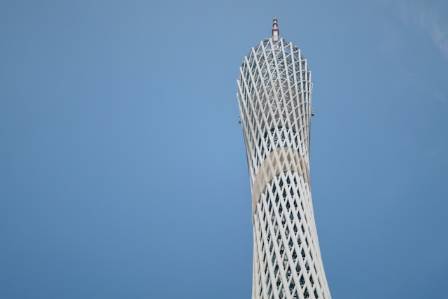
Canton Tower, often nicknamed the “Little Waist” because of its unique slim shape, is the tallest television tower in China. The structure reaches a total height of 600 meters and contains 112 levels, including 111 floors above ground and one underground level.

LF

LEAF · en

The Canada Goose Uncovered

The Canada Goose Uncovered

Soaring gracefully through the sky or casually grazing on a city lawn, the Canada goose is one of North America’s most captivating waterfowl.