Grove read
Incredible Facts About Beavers That Prove They Are The Ultimate Engineers of Nature
Beavers are truly remarkable creatures. They are the second largest rodents on the entire planet. Only the South American capybara is larger than them. These industrious animals play a massive role in our environment. They actively reshape entire ecosystems. They create vital new habitats for other wildlife. They even help our planet fight against the effects of climate change.
Lawson Clara
Margin note
Reading tip
The full digest continues below among botanical margin notes.
Grove
Olive Digests
Beavers are truly remarkable creatures. They are the second largest rodents on the entire planet. Only the South American capybara is larger than them. These industrious animals play a massive role in our environment. They actively reshape entire ecosystems. They create vital new habitats for other wildlife. They even help our planet fight against the effects of climate change.
How These Animals Keep Vital Fresh Water On The Land
These creatures are well known as a vital keystone species. They are famous for building large and sturdy dams. These structures create expansive wetlands. The new wetlands support countless other living species. The dams effectively slow down the natural flow of water. This process prevents severe soil erosion. It also filters out dangerous pollutants from the stream. The resulting environment provides a safe home for fish and birds. Amphibians and insects thrive in these areas as well. Even endangered species find refuge in these habitats. These wetlands store precious water during long droughts. They also greatly reduce the danger of sudden flooding.
The Perfect Furry Submarine Built Expressly For Swimming
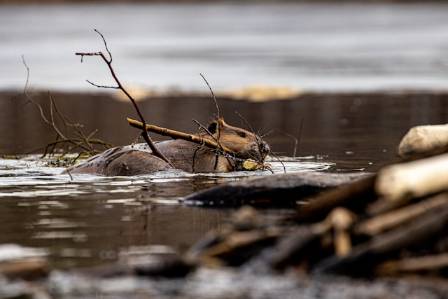
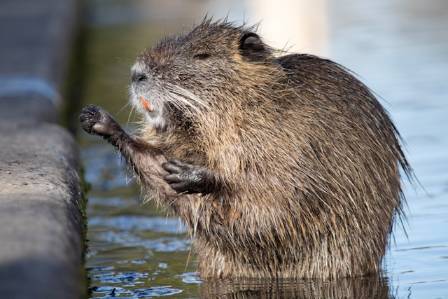
These rodents are absolutely fantastic swimmers. They possess large hind feet that are fully webbed. These feet propel them forward through the deep water. Their front paws are much smaller. This allows their front paws to remain completely free. They use them to carry heavy building materials and dig in the dirt. Their broad and flat tail serves as a powerful rudder. They also slap their tail against the water surface. This action creates a loud warning signal for the rest of the group. Their thick fur traps a layer of air. This keeps them warm and buoyant in freezing water. Their nostrils and ears close automatically when they dive. A special transparent membrane covers their eyes. This acts exactly like swimming goggles under the water. They also possess very unique lips. These lips close securely right behind their large incisors. This allows them to carry wooden branches underwater without swallowing any liquid.
Unique Feeding Habits And Continuous Teeth Growth
These animals are strict herbivores. They enjoy eating a very wide range of plant foods. They regularly consume the delicate inner bark of deciduous trees. They also eat plenty of herbaceous matter. This includes wild grasses, sweet clover, green leaves, and roots. They feed on plant bulbs and underground rhizomes too. Some of their absolute favorite foods include willow trees and aspen trees. They also love birch trees and wild cattails. Their prominent front teeth grow continuously throughout their entire lives. These incisors will actually outgrow their own skulls if they stop chewing. They must regularly gnaw on hard wood to keep their teeth perfectly sharp and short.
Cozy Lodges Engineered For Maximum Safety
Their specialized home structures are exceptionally cozy and well designed. They build these lodges using strong branches, heavy sticks, and thick mud. This combination creates a very sturdy and well insulated shelter. The thick walls protect the family from dangerous predators like wolves and large bears. The interior of the lodge features a dry and elevated nesting area. The structure always includes at least one secret underwater entrance. This allows the residents to enter and exit the lodge with total safety. They remain completely hidden from any land based threats.
Strong Family Units That Stick Close Together
These rodents are highly social creatures. They live together in organized family groups called colonies. A typical colony consists of a single monogamous breeding pair. It also includes their youngest kits. The offspring from previous years stay in the nest too. The young kits remain with their parents for about two full years. During this time they learn essential survival skills. They finally set off after two years to build their own independent lodges.
An Overwhelming Instinct To Control Running Water
These industrious builders are intensely motivated by the environment. The mere sound and physical feel of running water triggers their behavior. They possess a powerful natural instinct to construct dams. They want to slow down the flow of any moving water. This effort creates deep and calm ponds. These deep water zones offer excellent protection from land predators.
The Tragic History Of Excessive Hunting And Survival
Populations of these animals experienced a drastic decline in the past. This historical loss was caused entirely by the global fur trade. Humans hunted them relentlessly for their valuable pelts. European manufacturers used the fur to create trendy felt hats. Fortunately the populations have returned to many of their old territories. However their modern numbers remain far below their historical highs.
How Industrial Rodents Save Massive Sums For Human Taxpayers
Modern environmental projects show that these animals save humans a lot of money. They reduce expenses for local governments and private landowners. Their activities provide natural flood control and efficient water management. They offer free environmental protection and prevent forest fires. They also stop severe soil erosion. Researchers note that these ecosystem services far outweigh any management costs. A prominent study revealed their immense financial value to humanity through environmental modifications. Recently these animals were even credited with saving taxpayers over one million dollars in central Europe. They achieved this feat simply by building natural dams.
The Hidden Secrets Of Natural Castoreum Scent Glands
These creatures produce a unique substance called castoreum. They manufacture this inside specialized scent glands located near their tails. The substance possesses a musky and slightly sweet odor. The animals use this fluid to mark their home territories. It consists of a unique mix of gland secretions and urine. They often combine this scent with tree bark and twigs when constructing dams. In the past humans harvested this substance for luxury perfumes. The unique scent smells leathery, woody, and similar to vanilla. Food manufacturers also used it as a natural vanilla flavoring agent. Today most commercial companies rely entirely on synthetic versions or plant alternatives.
Deep Cultural Significance Across Indigenous Traditions
These animals hold profound cultural significance in many Indigenous societies. They serve as a powerful symbol of hard work and determination. They also represent incredible resourcefulness. Many cultures view them as sacred animals. They embody the noble qualities of cooperation, creation, and perseverance. Their natural behaviors are viewed with great respect. Building dams and creating wetlands reflects perfect harmony with nature. It shows the deep interconnectedness of all living things. Some ancient traditions state that these creatures played a special role in the creation of the world. They continue to maintain the delicate balance within our ecosystems.
More along this branch
LEAF · en

Easy Homemade Fruit Jelly
Making your own fruit jelly at home is a rewarding experience. Bursting with natural colors and fruity flavors, this easy recipe lets you enjoy a sweet treat without relying on store-bought options. Whether you’re hosting a summer gathering, making a playful dessert for children, or looking for a quick fruity snack, this homemade fruit jelly is simple to prepare and always satisfying.
LEAF · en

Definitive Guide to Decorating Tables with Fresh Flowers
Matching flower varieties and colors to the table’s overall theme helps elevate the mood and visual harmony.
LEAF · en

The Forbidden City: A Reimagined Overview
The Forbidden City, also known as Zijincheng (in Pinyin) or Tzu-chin ch’eng (in Wade-Giles), is the grand imperial palace complex situated in the center of Beijing, China. Built on the orders of the Yongle Emperor of the Ming dynasty beginning in 1406, it was first occupied by the royal court in 1420.
LEAF · en

The Guide to Planning Your Dream Beach Vacation
As the road stretches ahead beneath a canopy of waving palm trees, passing small roadside shops and stands filled with Southern treats, the steady rhythm of the journey sets the mood for the adventure waiting ahead. The ocean breeze flows through the open windows, carrying the fresh scent of the Atlantic, reminding you that the beach is near. Children eagerly talk about making castles in the sand, searching for dolphins, and spending endless hours by the water. North Myrtle Beach is calling, offering sunny afternoons, peaceful evenings by the shore, and countless moments your family will remember for years.
LEAF · en

Pickup Truck Buying Guide
Trucks are no longer just workhorses for hauling cargo. Today, they often serve as daily family vehicles, weekend adventure companions, or even mobile command centers for commercial operations. Modern pickups combine practicality with luxury, appealing to buyers who want performance, style, and comfort all in one package.
LEAF · en

Essential Kitchen Tools Used by American Pioneers
Long before stand mixers became countertop staples, air fryers competed for cabinet space, and electricity became a normal part of everyday life, pioneer kitchens operated with remarkably few conveniences. In these early American homesteads, meals were prepared without modern appliances such as Cuisinart or KitchenAid machines. Instead, families depended on their hands, a small collection of basic utensils, physical effort, and plenty of practical creativity.