The Forbidden City: A Reimagined Overview

Grove read

The Forbidden City: A Reimagined Overview

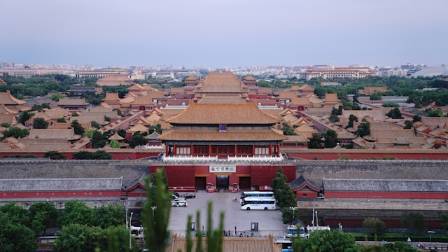
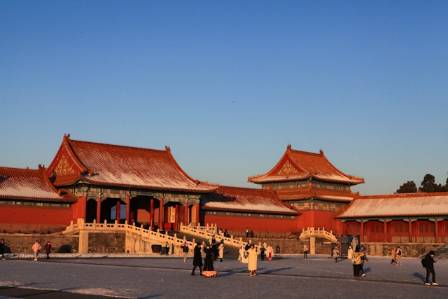
The Forbidden City, also known as Zijincheng (in Pinyin) or Tzu-chin ch’eng (in Wade-Giles), is the grand imperial palace complex situated in the center of Beijing, China. Built on the orders of the Yongle Emperor of the Ming dynasty beginning in 1406, it was first occupied by the royal court in 1420.

M

Mason Hill

Margin note

Reading tip

The full digest continues below among botanical margin notes.

Grove

Olive Digests

The Forbidden City, also known as Zijincheng (in Pinyin) or Tzu-chin ch’eng (in Wade-Giles), is the grand imperial palace complex situated in the center of Beijing, China. Built on the orders of the Yongle Emperor of the Ming dynasty beginning in 1406, it was first occupied by the royal court in 1420.

Purpose and Name

Its name reflects its original strict access rules – ordinary citizens were forbidden to enter most parts of the complex. Only government officials and members of the imperial family had limited permissions, while the emperor alone could move freely throughout the whole palace.

Size, Status, and Recognition

Covering about 178 acres (approximately 72 hectares), the Forbidden City remained China’s power center for around 500 years. In 1987 it was declared a UNESCO World Heritage Site, both for its role in Chinese government and its unmatched architectural significance. Today it serves as the Palace Museum, preserving dynastic art and history.

Architecture & Symbolism

Every element in the layout follows Chinese geomantic tradition, especially feng shui. The complex is oriented along a north-south axis; important buildings—especially those along this main axis—face south, symbolically honoring the sun.
The design emphasizes the majesty of the emperor and the subordinate status of individuals. The significance of a building is communicated not only through its size but also via roof style, number of decorations along roof ridges, and spatial layout.

Key Structures

Meridian Gate (Wu Gate): the principal southern entrance, with towering height and flanking wings reminiscent of guardian creatures.
Hall of Supreme Harmony (Taihedian): the largest building in the complex, and one of the tallest, it sits in the Outer Court atop a triple marble terrace overlooking a vast plaza. This is where the emperor’s throne was located, and many formal state ceremonies took place.
Halls of Central and Preserving Harmony: also in the Outer Court; together they served administrative and ceremonial functions.
Inner Court & Imperial Garden: the emperor’s private living quarters lie toward the north. Adjacent is the Imperial Garden, a more relaxing and informal space featuring ponds, flower beds, sculptures, and trees. At its center is the Hall of Imperial Peace, used for private retreats and Daoist rites.

Historical Changes & Preservation

After the Qing dynasty fell in 1911–12, the Forbidden City ceased being the seat of imperial power. The last emperor, Puyi, was allowed to remain for some time but effectively left in 1924.
Over centuries many structures were damaged—through war, weather, political upheaval—but in later decades, large-scale restoration efforts have preserved much of the complex.

More along this branch

LF

LEAF · en

The Canada Goose Uncovered

The Canada Goose Uncovered

Soaring gracefully through the sky or casually grazing on a city lawn, the Canada goose is one of North America’s most captivating waterfowl.

LF

LEAF · en

7 Street Style–Approved Loafer Outfits to Wear Now

7 Street Style–Approved Loafer Outfits to Wear Now

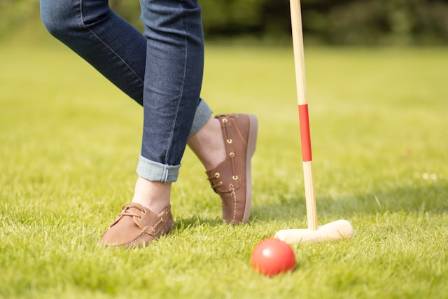
Loafers are a reliable staple in a well-curated wardrobe. Designers and street-style enthusiasts have loved them for decades because they combine a polished appearance with everyday comfort. Details such as tassels, buckles, chains, and other decorative hardware can also give this classic shoe a distinctive personality.

LF

LEAF · en

Draw Cartoon Animals

Draw Cartoon Animals

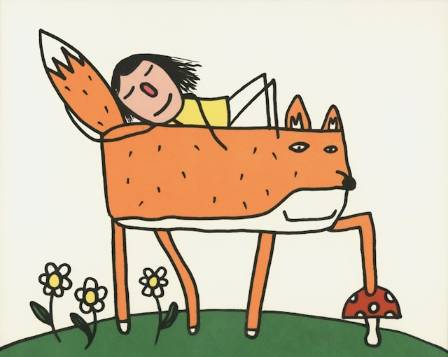
who doesn’t enjoy cartoons? there are countless beloved cartoon characters that bring joy to both kids and adults, with something to match every taste and age.

LF

LEAF · en

Japanese Soufflé Pancakes

Japanese Soufflé Pancakes

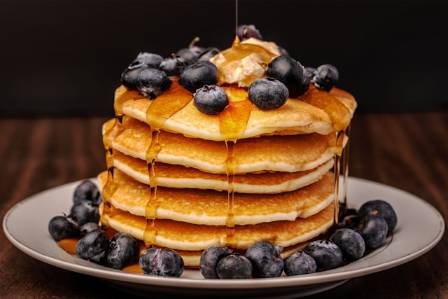
Japanese soufflé pancakes use many of the same basic ingredients found in classic American pancakes, including eggs, milk, and flour. What makes them different is their incredible height and airy texture. The secret comes from whipped egg whites that are beaten into a glossy meringue and gently folded into the batter.

LF

LEAF · en

Is a Red Panda a Bear?

Is a Red Panda a Bear?

September 19 marks International Red Panda Day, a special occasion to celebrate one of the world’s most charming and unusual mammals. Whether you call them red pandas, firefoxes, red bear-cats, lesser pandas, first pandas, or simply “the other pandas,” these fluffy creatures are full of fascinating secrets.

LF

LEAF · en

Autumn Harvest Art Intensive: A Five-Day Workshop in Drawing and Painting

Autumn Harvest Art Intensive: A Five-Day Workshop in Drawing and Painting

Celebrate the arrival of the harvest season at the Coastal Maine Botanical Gardens with an immersive artistic journey. As the foliage transforms into brilliant hues and the air turns crisp, participants are invited to explore the abundant natural beauty of the Dahlia and Iris gardens. This comprehensive workshop spans five days, offering a deep dive into the techniques of capturing autumn’s bounty through illustration and painting. Designed for artists of all experience levels, including teenagers aged 14 and older, the course provides a serene environment to master the depiction of seasonal flora and harvests.