Grove read
The Breathtaking White Egrets And The Shocking Lies We Tell Ourselves
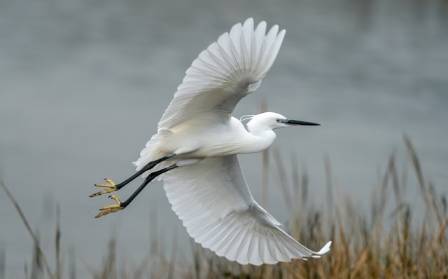
Egrets completely steal the spotlight. These birds possess shocking elegance. They stand tall and radiate pure grace. For wildlife photographers, they are an absolute dream. You can easily approach them in the wild.
Cameron Olivia
Margin note
Reading tip
The full digest continues below among botanical margin notes.
Grove
Olive Digests
Magnificent Survivors of the Wetlands
Egrets completely steal the spotlight. These birds possess shocking elegance. They stand tall and radiate pure grace. For wildlife photographers, they are an absolute dream. You can easily approach them in the wild.
Biologically, these creatures are actually herons. There is no real scientific difference between them. They all belong to the exact same avian family. However, people usually use the word egret for the white species. These specific birds grow stunning feathers during the breeding season. Of course, nature loves complications. Some egrets are not white at all. Some herons are completely white.
Masters of Hunting and Grace
These birds love to gather near water. You can find them at the edges of quiet lakes. They frequent shallow ponds and coastal wetlands. Usually, they present a perfect picture of patience. They stay completely still for hours. They wait for an unsuspecting fish to swim past. Then they strike with lightning speed. Yet some individual birds lack this patience. They sprint through the water after fish. This chasing behavior looks incredibly clumsy. It is quite funny to watch.
Global Travelers of the Bird World
Many people only encounter these birds while traveling. They thrive in warm tropical destinations. You can spot them across Mexico and the Caribbean. They are common sights in India and Sri Lanka. These regions boast incredible bird diversity.
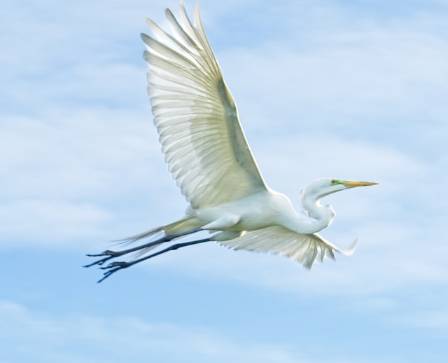
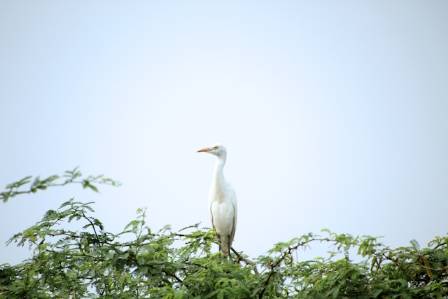
Egrets come in many sizes. The great egret stands incredibly tall. On the other end, the small cattle egret is a famous wanderer. This tiny species used to live only in a small part of the Old World. Over time, they expanded across the entire planet. They adapted perfectly to human agriculture. Today, they spend their days walking through open farm fields.
The Deadly Fashion Trend That Wiped Out Colonies
The word egret traces back to an old French term for decorative feathers. These plumes are absolutely magnificent. They are delicate and light. They dance beautifully with the slightest breeze.
Unfortunately, these feathers became a massive fashion trend around the year 1900. Wealthy ladies demanded them for hats. Hunters immediately targeted the breeding colonies. The birds were incredibly easy targets during the nesting season. Hunters made massive fortunes in just a few months. At peak demand, these feathers cost double the price of gold. Hunters killed both male and female birds. They wiped out entire generations. The avian population faced total collapse.
The fashion industry lied to the public. Dealers claimed the feathers were collected responsibly from the ground. They told customers that the birds shed them naturally. This was a complete lie. Naturally shed feathers were worthless. Live-harvested feathers brought the real money. Sellers also claimed some feathers were fake. People eagerly accepted these comforting falsehoods.
Historical auction records from London in 1902 reveal the true horror. Dealers sold thousands of packages of feathers. One single auction house moved massive quantities. Experts estimate that nearly two hundred thousand herons died for those specific sales. Countless eggs and chicks perished in the abandoned nests.
Human history is full of this denial. People once claimed passenger pigeons simply flew west instead of going extinct. They claimed the missing bison just traveled south.
The Dangerous Art of Selective Thinking
Modern society claims to be highly informed. We have instant access to global information. Yet we still choose to hear only what we want.
We use selective thinking to avoid mental discomfort. This psychological trick helps us cope with our bad choices. People want to wear luxury items. We want to use disposable plastic. We want to burn fossil fuels without guilt. At the same time, we want to view ourselves as good people. This contradiction creates a massive internal conflict.
We do not change our behavior to fix this conflict. Instead, we invent a comforting alternative reality. We tell ourselves that plastic always gets recycled. We pretend the climate crisis is a hoax because it snowed yesterday. We construct a false world to get through the day. Corrupt corporations happily feed us these lies to protect their profits.
A Modern Victory for Conservation
Fortunately, this story has a bright side. Egret populations eventually recovered. The historic feather crisis came to an end. This tragedy actually sparked the entire modern environmental movement. United States President Theodore Roosevelt took bold action. He protected federal lands as wildlife habitats for the very first time. Other nations quickly followed with their own conservation laws.
Today, these gorgeous birds thrive once again. We can still witness their brilliant white feathers in the wild. Their survival is a beautiful reminder of what protection can achieve.
More along this branch
LEAF · en
Buttercups as cut flowers
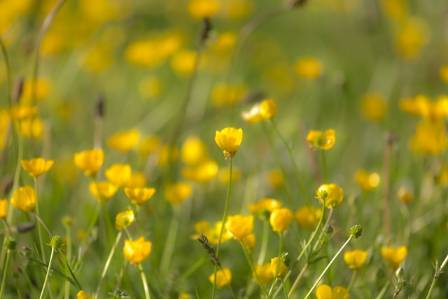
In June, the surrounding fields become covered in a soft golden glow. The vivid yellow buttercup blooms sway gently in the wind, their brilliant petals standing above the pink tones of flowering grasses. Their glossy flowers shine like polished lacquer, creating a beautiful natural display across the landscape.
LEAF · en
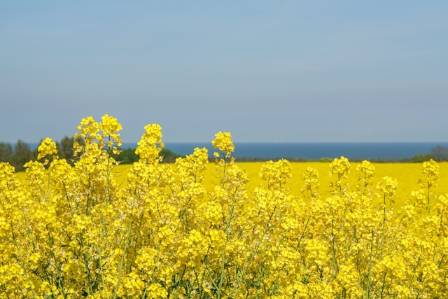
The Stunning Golden Rapeseed Fields of the Cotswolds
“We give thanks for those who shaped the fields, created the farms, cleared the waterways, and built the paths.” — From The Cotswold Prayer of Praise
LEAF · en
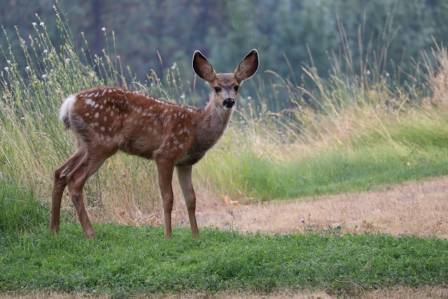
Larger Malay Mouse-Deer
The larger Malay mouse-deer is a tiny hoofed mammal that is approximately the size of a rabbit. It has remarkably thin, elongated legs, a short and rounded body, and a small head with a triangular shape. Its face is characterized by a small black nose and large, noticeable eyes. The animal's coat is generally orange-brown, while the lower portions of the body, including the belly, chest, and throat, are paler and feature white markings.
LEAF · en
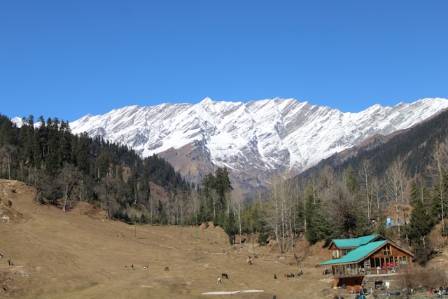
The Ultimate Mountain Cabin Vacation: 7 Essential Tips for Unforgettable Getaways
What ruins a mountain cabin trip faster than unexpected rain or cold snaps? Poor planning. Booking a cabin with mismatched amenities, arriving unprepared for fickle mountain weather, or picking a layout that clashes with your group’s needs—these small missteps can turn a dream retreat into a stressful, costly hassle.
LEAF · en
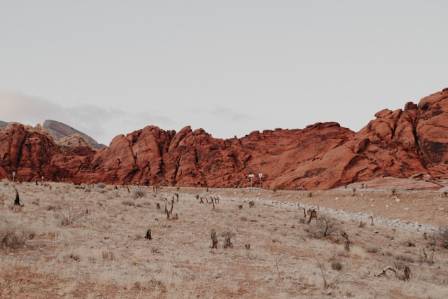
The 5 Largest Deserts Across the Globe
When contemplating deserts worldwide, our minds often conjure images of expansive sandy dunes and the struggle for survival in scorching heat. However, it's essential to recognize that subtropical deserts, like the one portrayed earlier, represent only a single category. Let's delve into the details of the world's five largest deserts, exploring their differences in temperature, location, and more.
LEAF · en

Chicago History
"It is hopeless for the occasional visitor to try to keep up with Chicago. She outgrows his prophecies faster than he can make them." – Mark Twain, 1883 When Mark Twain penned those words, Chicago was only 46 years into cityhood, yet it had already expanded more than a hundredfold — from a tiny trading outpost at the mouth of the Chicago River into one of the country’s largest cities. And its growth was far from over. Within two decades, the city would quadruple its population, astonishing the world with its capacity to reinvent itself again and again.