Grove read
Why Orange Cats Are So Special?
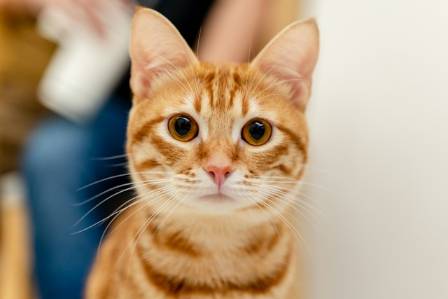
Orange cats are often described as the friendliest cats of all, but whether this reputation is actually supported by science remains uncertain.
Nolan Vey
Margin note
Reading tip
The full digest continues below among botanical margin notes.
Grove
Olive Digests
Orange cats are often described as the friendliest cats of all, but whether this reputation is actually supported by science remains uncertain.
Self-reported surveys have found that owners tend to describe orange cats as more affectionate. However, this result could be influenced by confirmation bias or a self-fulfilling expectation. Cat owners who already believe orange cats are especially loving may be more likely to notice or interpret their behavior in ways that reinforce that belief.
Still, there are several possible explanations for why orange cats might appear more affectionate than cats of other colors.
The Connection Between Orange Fur and Sex
The gene responsible for orange coloration is linked to sex chromosomes. As a result, orange cats are considerably more likely to be male than female.
Research has suggested, although not conclusively, that male cats may be somewhat more sociable or friendly toward people than females. If this tendency is real, the higher proportion of males among orange cats could partly account for their reputation for being affectionate.
A similar relationship may help explain the popular idea of “tortitude,” the distinctive personality supposedly associated with tortoiseshell cats. Tortoiseshell cats are overwhelmingly female, so some behavioral differences attributed to their coat pattern could potentially be connected to sex rather than coloration itself.
Do Orange Cats Behave Differently for Other Reasons?
Sex may not be the only factor involved. Another possibility is that orange cats have behavioral and physical characteristics that differ from those of cats with other coat colors.
Pontier and colleagues conducted a study in 1995 examining the frequency of the orange gene variant in different cat populations. Their research identified several notable patterns associated with orange cats.
The researchers collected information from 30 cat populations across France between 1982 and 1992. Each population included between 56 and 491 cats.
Three particularly interesting trends emerged from their analysis.
Orange Cats Are More Common in Rural Areas
The researchers found that orange cats occurred more frequently in rural areas with lower population density than in urban environments.
This pattern may indicate that orange cats experience greater reproductive success under certain social conditions.
In rural cat populations, mating tends to be more polygynous. Males commonly mate with multiple females, while females generally mate with only one male.
Urban cat populations show a different pattern. In these more densely populated environments, both males and females tend to have multiple mating partners.
These differences in mating systems could influence which physical and behavioral characteristics provide reproductive advantages.
Orange Cats Are Less Common Where Mortality Is Higher
The study also found that orange cats were less frequent in areas where the risk of mortality was greater.
One possible interpretation is that orange cats may be more inclined toward risky behaviors that increase their chances of dying.
Such behavior could be particularly important among males if their social interactions involve more competition, territorial disputes, or physical confrontations.
Orange Cats Show Greater Sexual Dimorphism
Another pattern involved differences in body size between male and female orange cats.
Orange males tend to weigh more than males of other coat colors, while orange females tend to weigh less than females with other coat colors.
This creates a stronger difference in body size between orange males and females, a pattern known as greater sexual dimorphism.
A similar relationship between orange coloration and body size has previously been documented in Australia.
A Different Reproductive Strategy
These unusual patterns led the researchers to propose a possible explanation involving reproductive behavior.
Because orange cats, particularly males, may differ in both physical characteristics and behavior, orange male cats could potentially follow a different reproductive strategy from other males.
Orange males tend to be larger, and previous research has linked greater body size in male cats with increased aggression toward other cats.
If larger orange males are also more aggressive and socially dominant, they may gain higher status within their local cat populations.
That advantage could be particularly valuable in rural environments, where females generally mate with a single male. Under those conditions, a socially dominant male may have greater access to females and therefore greater reproductive success.
Why Urban Life May Change the Equation
The same characteristics may not provide the same advantage in cities.
In densely populated urban environments, female cats commonly mate with several males. Under these circumstances, reproductive success depends less on direct physical competition between males and more on competition between sperm from different males.
As a result, being highly aggressive or physically dominant may provide less reproductive benefit.
At the same time, increased aggression and risk-taking could expose orange males to greater danger. Fighting with other cats or animals may increase their chances of injury or death.
This could help explain why orange cats are found less frequently in environments where mortality risk is higher.
Previous research has similarly shown that larger male cats can be more dominant and aggressive, characteristics that may increase reproductive success while simultaneously increasing the risk of mortality.
Coat Color and Behavior May Be Genetically Connected
The apparent relationship between coat color and behavior may seem unusual, but similar associations have been documented in other animals, including rodents and birds.
One possible explanation is genetic linkage. Genes that influence behavior or physical traits such as body size may sometimes be inherited together with genes responsible for coloration.
This means that a gene affecting fur color could potentially be associated with other characteristics without directly controlling those behaviors itself.
Does This Explain Why Orange Cats Seem So Affectionate?
Although the research identifies several physical and behavioral characteristics associated with orange cats, it does not establish why people often perceive them as more affectionate.
If the stereotype that orange cats are especially friendly is accurate, their willingness to take risks could potentially play a role.
Orange male cats that are more socially dominant and behaviorally bold might also be more comfortable approaching humans. This could make them appear friendlier than more cautious cats that tend to avoid people.
However, this remains a hypothesis rather than an established explanation.
Future research could investigate whether orange cats, particularly males, are actually more willing to approach humans and whether their boldness, social dominance, or risk-taking tendencies are connected to the affectionate reputation they have developed.
More along this branch
LEAF · en

Chaka Salt Lake: Mirror Of The Sky
Chaka Salt Lake, located near the town of Chaka in Wulan County, is regarded as one of the most beautiful lakes in the Qaidam Basin of Northwest China’s Qinghai Province. In reality, Chaka is an enormous salt flat measuring roughly 9 kilometres from north to south and 15 kilometres across, with its surface covered by a thick layer of salt. During the dry part of the year, the visible lake becomes considerably smaller. After rainfall, however, the water spreads outward and the lake can reach its full extent.
LEAF · en

The Uniqueness of Waterbuck
The waterbuck has always been one of my favourite antelope species. These distinctive animals are frequently seen at Londolozi, where their shaggy appearance can sometimes make them seem almost out of place among the surrounding wildlife. As their name indicates, waterbuck have a strong connection to water and depend heavily on it for survival. They are also particularly susceptible to dehydration.
LEAF · en
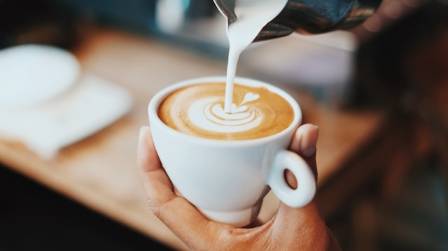
Understanding What a Latte Is
A latte is one of the most popular coffee drinks in the world, known for its smooth, mild flavor and creamy texture. Coffee itself is incredibly versatile, with many different preparation styles that highlight different aspects of the coffee bean.
LEAF · en

Healthy Habits: Fruits and Vegetables as Allies for Weight Management
Fruits and vegetables are more than just colorful additions to your plate—they are powerful allies in healthy weight management, aligned with the Centers for Disease Control and Prevention’s (CDC) core principles of nutrition and wellness. Packed with essential vitamins, minerals, fiber, and antioxidants, these plant-based foods support overall health while naturally aiding in weight loss or maintenance. Unlike restrictive diets that leave you feeling deprived, incorporating more fruits and vegetables into your daily meals focuses on addition through substitution—replacing higher-calorie, nutrient-poor ingredients with options that are low in fat and calories but high in volume and satisfaction. This approach not only helps you achieve a calorie deficit (the key to weight loss) but also promotes long-term healthy eating habits that benefit your heart, immune system, and risk of chronic diseases like cancer and diabetes. Below, we’ll explore science-backed strategies to seamlessly integrate more fruits and vegetables into every meal, snacks, and cooking routine, based on CDC guidelines and practical, actionable tips.
LEAF · en
Transform Your Space with Tree Tapestries
Creating a peaceful and welcoming interior often starts with incorporating natural elements into your décor. Tree-themed tapestries are a simple yet impactful way to achieve this. These decorative wall hangings showcase the beauty of forests, branches, and botanical imagery while adding texture, warmth, and personality to any room.
LEAF · en

The Ultimate Mountain Cabin Vacation: 7 Essential Tips for Unforgettable Getaways
What ruins a mountain cabin trip faster than unexpected rain or cold snaps? Poor planning. Booking a cabin with mismatched amenities, arriving unprepared for fickle mountain weather, or picking a layout that clashes with your group’s needs—these small missteps can turn a dream retreat into a stressful, costly hassle.