Sea Kayaking: A Comprehensive Beginner’s Guide

Grove read

Sea Kayaking: A Comprehensive Beginner’s Guide

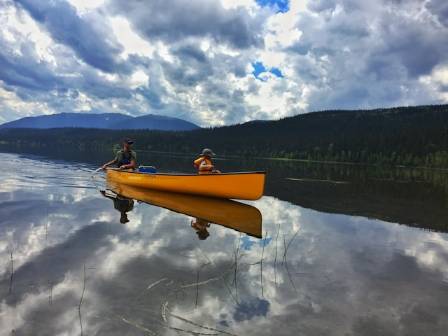
Thousands of years ago, Indigenous peoples of the Arctic navigated the oceans using kayaks constructed from animal hides stretched over wooden or whalebone frames. Modern sea kayaks, thankfully, are far more robust and easier to maneuver. Yet, the fundamental experience remains the same: gliding over water in a lightweight, streamlined vessel while contending with wind, waves, and currents. Sea kayaking offers a unique sense of serenity, allowing paddlers to leave the hustle of daily life behind and view familiar coastlines from a fresh perspective. Wildlife encounters—ranging from orca pods along Norway’s shores to otters and sea eagles in Scotland—add to the adventure and allure of the sport. For those eager to try, understanding the essentials of equipment, technique, and safety is key.

E

Emily Foster

Margin note

Reading tip

The full digest continues below among botanical margin notes.

Grove

Olive Digests
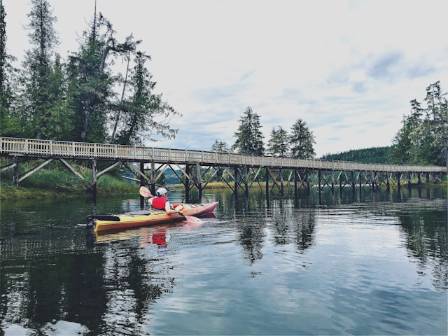
Thousands of years ago, Indigenous peoples of the Arctic navigated the oceans using kayaks constructed from animal hides stretched over wooden or whalebone frames. Modern sea kayaks, thankfully, are far more robust and easier to maneuver. Yet, the fundamental experience remains the same: gliding over water in a lightweight, streamlined vessel while contending with wind, waves, and currents. Sea kayaking offers a unique sense of serenity, allowing paddlers to leave the hustle of daily life behind and view familiar coastlines from a fresh perspective. Wildlife encounters—ranging from orca pods along Norway’s shores to otters and sea eagles in Scotland—add to the adventure and allure of the sport. For those eager to try, understanding the essentials of equipment, technique, and safety is key.
Sea kayaks are distinct from other types of kayaks due to their length, narrow profile, and specialized features. They are similar to touring kayaks in being sleek and elongated, which helps cover long distances efficiently, but they are often narrower and more pointed, enhancing their performance in open water. Most sea kayaks are “sit-in” designs, with the paddler’s lower body enclosed within the hull. The high curved rocker along the bottom allows the kayak to rise over waves more easily, while built-in storage compartments provide buoyancy in case of capsizing. Steering is facilitated through a rudder or skeg—a retractable blade beneath the hull that helps maintain a straight course despite wind or currents.
Proper gear is essential for a safe and enjoyable first experience. Aside from a kayak and a paddle, choosing clothing suitable for the climate is crucial. In colder regions, paddlers typically wear a warm base layer, wetsuit, waterproof jacket, neoprene boots, and a properly fitted personal flotation device. A helmet and first aid kit are also recommended. Additional equipment, such as a spray skirt to prevent water from entering the cockpit, sunscreen, sunglasses, and a hat for sunny conditions, ensures comfort. Waterproof storage and dry bags are invaluable for keeping personal items, spare layers, or electronics safe and dry during excursions.
Learning to paddle effectively and read the water is fundamental for safe sea kayaking. Beginners benefit from small-group trips guided by instructors who provide expert advice on tides, currents, and local conditions. Understanding wind direction and water movement is crucial; offshore winds can push paddlers away from shore, while tidal currents influence the ease of returning to land. Launching requires careful positioning in shallow water, facing waves head-on for stability, and maintaining steady momentum. Paddlers should use controlled strokes, keep their hips loose to move with the waves, and gradually incorporate torso rotation for stronger, more efficient strokes.
Knowledge of tides and currents enhances safety and efficiency. Flood tides raise water levels, while ebb tides lower them; planning trips around tidal shifts can make paddling easier and safer. Rip currents and tidal races, which occur when water flows rapidly through narrow channels or over underwater formations, present challenges that require awareness and caution. Mastering navigation in such dynamic conditions, including areas with powerful whirlpools like Scotland’s Gulf of Corryvreckan, is both thrilling and essential for skill development.
Like any adventure sport, sea kayaking carries inherent risks. Capsizing is often feared by beginners but can be managed through proper technique and safety measures. Wearing a helmet and life jacket, carrying a waterproof communication device or personal locator beacon, and staying within one’s skill level significantly reduce danger. Learning recovery techniques, such as rolling the kayak or performing a wet exit, ensures paddlers can handle overturns confidently. Re-entering the kayak can be accomplished using the “BBL” method—positioning the body over the flipped kayak and sliding back into the seat securely.
Sea kayaking can be enjoyed in a vast range of locations worldwide. Cold regions like Greenland and Alaska offer icy vistas, glaciers, and abundant wildlife, while warmer waters around Mediterranean islands provide crystal-clear conditions and scenic coastlines. Within the UK, Scotland’s west coast and Pembrokeshire in Wales offer sheltered lochs, strong currents, and dramatic coastal landscapes ideal for both novices and experienced paddlers. No matter the destination, sea kayaking combines physical challenge, mental focus, and the opportunity to connect deeply with nature, making it a rewarding and memorable pursuit.

More along this branch

LF

LEAF · en

Seafood Pasta

Seafood Pasta

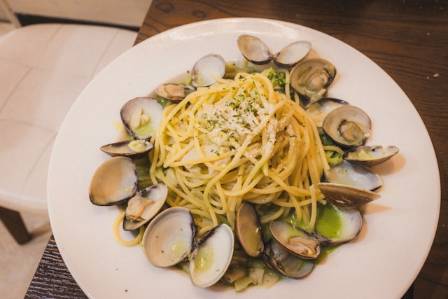
Bring a large pot of salted water to a boil and cook the pasta according to the package directions until it is al dente. Drain it, but keep about 1 cup of the cooking water for later use.

LF

LEAF · en

Is Kiwi Fruit Good for You During Pregnancy?

Is Kiwi Fruit Good for You During Pregnancy?

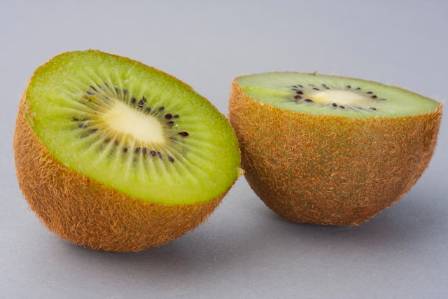
Kiwi, also known as Chinese gooseberry, is rich in essential nutrients and can be a great addition to your pregnancy diet. This small fruit offers a unique mix of vitamins, minerals, and fiber—plus a sweet, tangy flavor that may help satisfy pregnancy cravings in a healthy way.

LF

LEAF · en

25 Intriguing Facts About Foxes

25 Intriguing Facts About Foxes

Foxes inhabit every continent except Antarctica, thriving in cities, towns, and rural areas alike. Even though they’re all around us, there’s still a sense of mystery surrounding these elusive creatures. Let’s uncover more about this fascinating animal and its unique traits, behaviors, and history.

LF

LEAF · en

The Top 6 Classic Coupés

The Top 6 Classic Coupés

The allure of a classic coupé lies not only in its performance but also in its unmatched style and sophistication. These cars offer a blend of practicality and elegance, perfect for a leisurely drive down winding roads. Here, we take a closer look at six of the most stylish coupés that have graced the streets over the years.

LF

LEAF · en

Tracking volcanic rock to the shores of Belize

Tracking volcanic rock to the shores of Belize

For many years, scientists have discovered pieces of pumice, a lightweight volcanic stone filled with tiny air pockets, scattered along the beaches and mangrove forests of Belize. The unusual discovery was puzzling because there are no active volcanoes located nearby that could have produced these rocks.

LF

LEAF · en

Best Bike Stunts Ever

Best Bike Stunts Ever

When it comes to two wheels, nothing captures the imagination like gravity-defying tricks. From daring flips to impossible spins, bike stunts have become a global spectacle that blends athletic skill with fearless creativity. Let’s take a ride through some of the most iconic moves, the legends who pulled them off, and how the sport continues to push forward.