Grove read
10 Best Cities to Visit in Winter
Winter is a season that many places avoid, but in some cities it turns the urban environment into something magical. The article highlights ten cities around the world that shine in wintertime — whether because of snow-covered architecture, festive lights, unique seasonal events, or simply a change of atmosphere.
Olivia Harper
Margin note
Reading tip
The full digest continues below among botanical margin notes.
Grove
Olive Digests
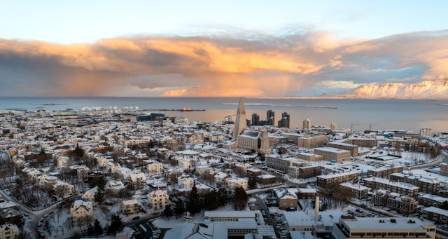
Reykjavík, Iceland
New York City, USA
Tromsø, Norway
Tokyo, Japan
Vienna, Austria
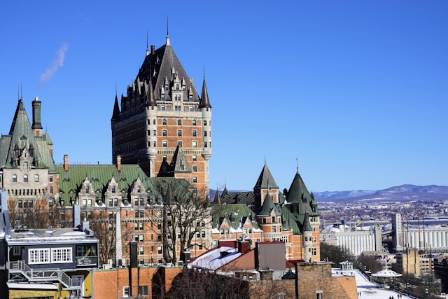
Québec City, Canada
Amsterdam, Netherlands
Prague, Czech Republic
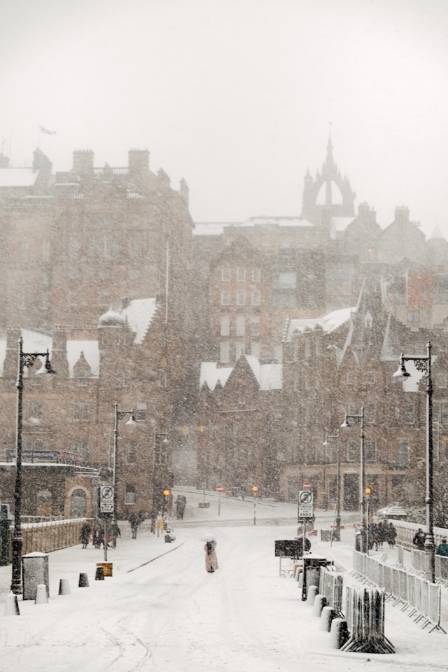
Edinburgh, Scotland
Paris, France
More along this branch
LEAF · en

Global Soup Delights: A Culinary Journey Through Ten Iconic Bowls
Soup is a universal comfort food, transcending borders and cultures. From hearty stews to light broths, each country has its own signature soup that tells a story of its history, climate, and culinary traditions. Embarking on a gastronomic tour, let's explore ten renowned soups from around the world, each offering a unique taste of its homeland.
LEAF · en
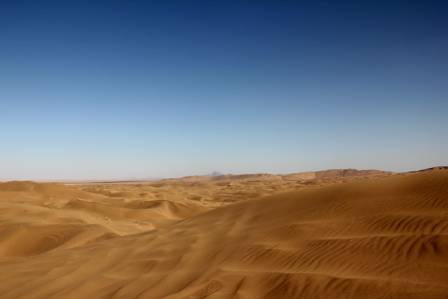
Blue Desert Skies
There’s a unique quality to the light in the desert, a particular clarity that feels both ancient and immediate. The landscape of the South Okanagan in British Columbia, often described as Canada's "pocket desert," is a place of stark, beautiful contrasts. It’s a world of sagebrush, rattlesnakes, and ponderosa pines standing against a sky of impossible blue.
LEAF · en
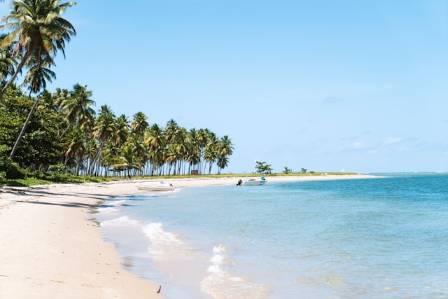
The Guide to Planning Your Dream Beach Vacation
As the road stretches ahead beneath a canopy of waving palm trees, passing small roadside shops and stands filled with Southern treats, the steady rhythm of the journey sets the mood for the adventure waiting ahead. The ocean breeze flows through the open windows, carrying the fresh scent of the Atlantic, reminding you that the beach is near. Children eagerly talk about making castles in the sand, searching for dolphins, and spending endless hours by the water. North Myrtle Beach is calling, offering sunny afternoons, peaceful evenings by the shore, and countless moments your family will remember for years.
LEAF · en
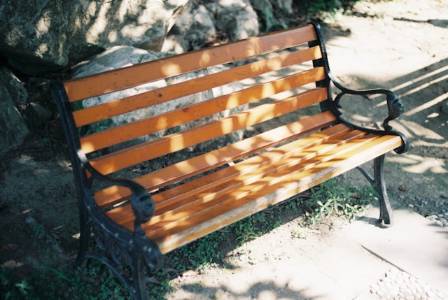
The True Value of Well-Placed Outdoor Seating in Public Environments
Communal areas such as public gardens, educational grounds, and residential neighborhoods act as vital shared zones where individuals gather to unwind, socialize, and find their way around. Wisely selected exterior furnishings play a major role in upgrading these locations by aiding directional awareness and boosting communal pleasure. Features like traditional park seating, open-air dining tables, and waste receptacles enhance both the practical utility and the aesthetic charm of these environments. Recognizing the true value of public seating helps administrators decide exactly where to place these items to generate the greatest possible comfort and utility for everyone. When positioned with care, exterior installations offer welcome rest areas, inspire conversations among neighbors, and help manage the natural flow of pedestrian movement. This comprehensive approach demonstrates how different varieties of open-air seating facilitate seamless navigation and elevate the daily experiences of visitors, proving to be critical components for city planners, builders, and local authorities who wish to build inviting environments.
LEAF · en

Why does the ocean have waves?
The ocean is constantly in motion. Whether you are standing along the shoreline or watching from a vessel offshore, waves are an ever-present feature of the sea. These moving patterns are created when energy travels through water, causing particles to move in a circular pattern.
LEAF · en
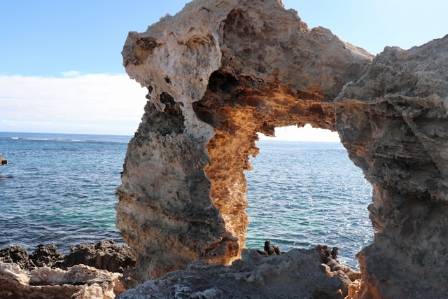
Largest Natural Arches in the World
A natural arch is a geological structure created when cliffs or rock formations are gradually worn away by erosion caused by ocean waves, rivers, wind, rain, or other natural forces. In some cases, water continues to flow beneath the opening, and the formation is referred to as a natural bridge. However, the difference between a natural arch and a natural bridge is not always clearly defined. The Natural Arch and Bridge Society considers a bridge to be a type of arch mainly shaped by flowing water, while geological references often describe a natural bridge as an arch that crosses an eroded valley.