Grove read
Why does the ocean have waves?
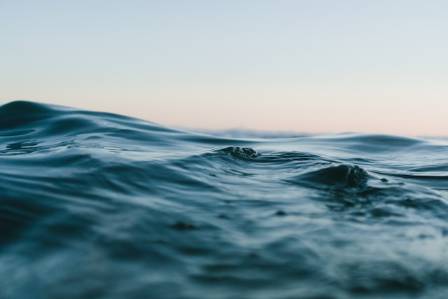
The ocean is constantly in motion. Whether you are standing along the shoreline or watching from a vessel offshore, waves are an ever-present feature of the sea. These moving patterns are created when energy travels through water, causing particles to move in a circular pattern.
Faye Morgan
Margin note
Reading tip
The full digest continues below among botanical margin notes.
Grove
Olive Digests
The ocean is constantly in motion. Whether you are standing along the shoreline or watching from a vessel offshore, waves are an ever-present feature of the sea. These moving patterns are created when energy travels through water, causing particles to move in a circular pattern.
Although we see waves moving across the ocean, the water itself does not travel across the sea with the wave. Instead, waves carry energy from one location to another. When nothing blocks their path, waves can continue moving across entire ocean basins.
Wind-Generated Waves
The most common source of ocean waves is wind. Known as wind-driven waves or surface waves, they form when moving air creates friction against the surface of the water.
As wind travels over the surface of oceans and lakes, it continuously disturbs the water and transfers energy into it. This process creates rising wave peaks, known as crests, and produces the waves commonly seen throughout the world’s oceans and along coastlines.
Wind-generated waves can occur almost anywhere there is open water, from large oceans to smaller coastal areas.
Dangerous Waves Caused by Severe Weather
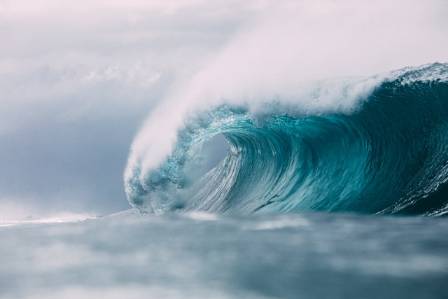
Some of the most powerful and destructive waves are produced by extreme weather conditions, including hurricanes and major storms.
During these events, intense winds and changes in atmospheric pressure can generate storm surge. Unlike ordinary waves that break along the shoreline, storm surge consists of long waves that develop offshore in deeper water and become stronger as they approach land.
Storm surge can push large amounts of seawater inland, causing serious flooding in coastal areas.
Other dangerous waves can result from sudden movements beneath the ocean surface. Earthquakes, underwater landslides, and volcanic eruptions can rapidly displace enormous volumes of water, creating waves known as tsunamis.
Tsunamis are very different from typical beach waves. Instead of crashing down with visible peaks, they behave more like a powerful rise in sea level. These waves can travel great distances across the ocean and flood areas far inland.
Tides and Tidal Waves
The gravitational forces of the sun and the moon also influence movements in the ocean. These forces create tides, which are sometimes referred to as tidal waves.
Tides are the regular rise and fall of sea levels caused mainly by the moon’s gravitational pull, along with the influence of the sun.
A common misunderstanding is that tidal waves are the same as tsunamis. However, the two phenomena are completely different. Tsunamis are caused by sudden underwater disturbances and are not connected to tidal conditions. They can occur during any stage of the tide cycle.
Understanding the differences between wind waves, storm surges, tsunamis, and tides helps us better appreciate the complex forces that shape the world’s oceans.
More along this branch
LEAF · en

The Evolution of Sushi: A Surprising Historical Journey
The global phenomenon of sushi—the combination of vinegared rice and fresh seafood—has a history that contradicts many modern assumptions. While today it is often viewed as a high-end Japanese delicacy, its roots trace back to ancient China, where it functioned as a preservation method rather than a fresh meal. Throughout the centuries, sushi has undergone radical transformations, evolving from a pungent, fermented street food into the diverse culinary art form enjoyed across the world today.
LEAF · en

Xiamen Twin Towers
Located in the Yanwu area of Siming District, close to Xiamen University in Xiamen, Fujian Province, Xiamen Twin Towers is one of the city’s most important cultural and tourism landmarks. Recognized as a national 3A-level tourist attraction, the complex combines sightseeing, shopping, entertainment, leisure, and cultural experiences into one destination.
LEAF · en

Guinea Pig Care for Pet Owners
Owning a guinea pig means understanding the daily care requirements that help maintain its health, happiness, and comfort. This guide was created to provide guinea pig owners with useful information about suitable housing, bedding materials, nutrition, water needs, and other important care considerations. By learning about these essential needs, owners can make better choices and create a safe and healthy living environment for their pets.
LEAF · en

A Comprehensive Guide to Selecting Women’s Underlayers: Enhancing Every Silhouette
Choosing the ideal underlayer—be it a delicate camisole, a fitted bodysuit, or a light knit—is a foundational step in building a sophisticated wardrobe. These essential pieces do more than provide comfort; they serve as the structural base for your entire outfit, influencing how your silhouette appears and how your outer layers drape. By understanding your specific body type, you can select underlayers that accentuate your best features and provide a seamless, confident look for any occasion.
LEAF · en

The Modern Man’s Guide to Selecting the Ideal Bag: Style and Utility
The days when a man’s only accessories were a timepiece and a billfold are long gone. In the contemporary world, a bag is far more than a simple container for belongings; it has become a definitive hallmark of personal taste. Whether you are navigating a corporate commute, catching an international flight, or enjoying a relaxed weekend away, the right accessory serves as a bridge between necessity and elegance.
LEAF · en

Needle Felting as a Therapeutic Art: Cultivating Mindfulness and Expressing Emotions (Rewritten & Expanded)
In an era defined by constant digital stimulation, overwhelming work demands, and pervasive anxiety, the search for tangible, grounding creative outlets has never been more urgent. Needle felting—an ancient craft that involves sculpting wool fibers into solid forms using barbed needles—has emerged as a beloved therapeutic practice, bridging the gap between creativity and mental well-being. Unlike high-pressure artistic pursuits that require advanced skills or expensive materials, needle felting is accessible to beginners, offering a low-stakes space to engage with one’s hands, focus the mind, and process complex emotions. What makes this craft uniquely therapeutic is its combination of repetitive motion, tactile engagement, and creative agency: as you poke the needle into the wool, you not only shape a physical object but also untangle emotional knots, finding calm in the rhythm of the process. In this expanded exploration, we will delve into the scientific and psychological foundations of needle felting’s therapeutic power, examine how it facilitates emotional expression, detail its key mental health benefits, guide beginners through their first steps, and explore its growing role in modern wellness practices. Whether you are seeking relief from stress, a way to express unspoken feelings, or simply a break from the chaos of daily life, needle felting offers a gentle yet profound path to healing and self-discovery.