Grove read
A hidden village carved into a cliff
About 195km southwest of Muscat’s sandy coastline, Oman’s dry plains gradually rise toward the limestone mountains of Jabal al Akhdar, a 2,980m-high massif whose name means “Green Mountain.” The region is made up of winding valleys, rugged slopes and dramatic gorges. It remains one of Oman’s most secluded areas, and once the paved road disappears, travelers must continue by foot, mule or four-wheel-drive vehicle.
Nova Sinclair
Margin note
Reading tip
The full digest continues below among botanical margin notes.
Grove
Olive Digests
About 195km southwest of Muscat’s sandy coastline, Oman’s dry plains gradually rise toward the limestone mountains of Jabal al Akhdar, a 2,980m-high massif whose name means “Green Mountain.” The region is made up of winding valleys, rugged slopes and dramatic gorges. It remains one of Oman’s most secluded areas, and once the paved road disappears, travelers must continue by foot, mule or four-wheel-drive vehicle.
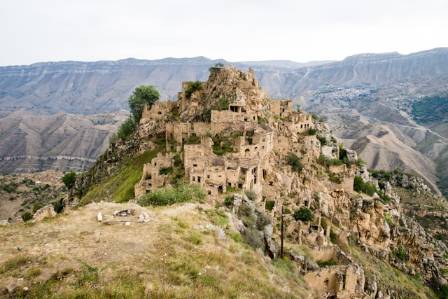
After another 20km of climbing along sharp mountain bends, a small group of houses comes into view on the edge of a canyon. This is Al Sogara, a remote settlement built directly into the mountainside where people have lived for more than five centuries.
One of Oman’s Most Isolated Villages
Although Jabal al Akhdar is regarded as one of Oman’s most spectacular mountain landscapes, very few visitors make it as far as Al Sogara. Until 2005, foreigners were not permitted to enter the mountain region because the Omani government maintained a military presence there.
Today, reaching the village still requires considerable effort. Visitors must leave their vehicles where the gravel road ends and then walk for around 20 minutes up a steep stone staircase from the canyon floor. Although other traditional settlements can be found throughout the mountains, Al Sogara is the only one that remains continuously inhabited. Located roughly 40km from the main mountain town of Seih Qatana, it is considered the most isolated village in the area and one of Oman’s most remote communities.
Life Before Modern Infrastructure
Until about 14 years ago, Al Sogara had neither electricity nor telephone service, and the closest road was approximately 15km away. For generations, villagers relied on mules to transport supplies from nearby towns such as Nizwa and Birkat Al Mouz.
In 2005, local residents developed a clever solution. They installed two pulley cables across the valley, allowing essential goods to be transported from the point where the gravel road finishes.
Residents say they cannot recall a period when more than 45 people lived in Al Sogara. Because there was no school in the settlement, earlier generations learned reading and writing at home. Since the 1970s, however, children have attended school about 14km away in Sayq. Their journey begins with a walk down the village staircase and then back up the opposite side of the mountain, where a vehicle can collect them from the road.
“We live here and we love it. People are different, but they will always love their homeland,” said Mohammad Nasser Alshariqi, who has spent his entire life in Al Sogara.
A Small Community With Deep Roots
Today, Al Sogara is home to five families belonging to the Alshariqi tribe. The group is believed to have migrated from Jordan more than 1,000 years ago before spreading to different parts of Oman.
Only around 25 people now live in Al Sogara. Salem Alshariqi, who was born and raised in the village, explained that the population is small partly because the settlement itself is so limited in size.
According to Salem and other villagers, the current residents trace their ancestry to a shared forefather who arrived in Al Sogara more than 500 years ago. At that time, people from several different tribes lived in the settlement. Over the generations, the Alshariqi continued the traditional technique of constructing homes from stone and clay or excavating rooms directly into the mountainside.
Homes Carved Into the Mountain
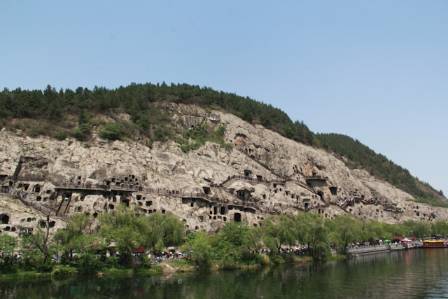
The village’s traditional houses are closely connected to the surrounding rock. Salem explained that their ancestors built exterior walls while using the mountain itself as the interior of their homes. From inside, many of these dwellings resemble natural caves.
At approximately 2,700m above sea level, Al Sogara occupies one of the few locations in Oman where snowfall occurs regularly. Winter conditions can therefore be severe.
The villagers traditionally built their homes from clay and limestone because these materials provide insulation against the cold winter temperatures while also helping keep interiors cooler during the intense summer heat.
Using only the materials available around them, earlier generations mixed water with stones to form clay walls or carved rooms directly into the limestone cliffs. This practical approach allowed them to create shelters that suited the harsh mountain environment.
Caves for People and Animals
The mountain caves are not used solely as living spaces. Villagers also make use of them as shelters for their livestock. For hundreds of years, families have placed fences across cave entrances to protect goats, sheep and other animals from predators.
Within the Alshariqi community and many neighboring societies, livestock traditionally represents wealth and prosperity. A family with larger numbers of goats, lambs and mules is generally considered more prosperous.
Agriculture and animal husbandry remain important parts of village life. Residents grow pomegranates, walnuts, peaches, apricots, oranges, figs, garlic, onions and various vegetables whenever sufficient water is available.
A Tradition of Hospitality
Like many communities in Oman and throughout the Arab world, the people of Al Sogara maintain a long-standing tradition of welcoming visitors.
According to this custom, villagers open their homes to guests and provide food and drinks for three complete days. Only after this period do they ask visitors about the reason for their stay.
This practice reflects the importance of hospitality in the community and has remained part of village life despite the settlement’s increasing contact with the outside world.
The Ancient Aflaj Irrigation System
Survival in such a remote and dry environment required ingenious methods of obtaining and distributing water. Ancient inhabitants developed an irrigation technique known as aflaj, which uses gravity to move water from underground springs through carefully constructed channels.
Some of these systems date back as far as 500 AD. Their importance was so great that watchtowers were once constructed to protect the water channels from attack.
Today, around 3,000 aflaj systems can still be found throughout Oman. Al Sogara has its own system, which carries spring water from a source in the valley below toward the settlement.
However, changing weather conditions have affected many of these ancient waterways. Some channels that once carried substantial amounts of water now provide little more than a small flow. As a result, the Green Mountain has become considerably drier than it was in the past.
Water Is Becoming Scarcer
According to Mohammad Nasser, the irrigation channels were constructed hundreds of years ago by the families who lived in the area. Each family participated in building and maintaining a channel and received a corresponding share of water for its crops.
The amount of water available to each household depended on its contribution to the construction of the irrigation system.
Today, declining water supplies are making agriculture increasingly difficult. With less water reaching the plantations, villagers are producing smaller harvests than previous generations were able to achieve.
A Village Facing an Uncertain Future
In recent years, limited employment opportunities have encouraged some residents of Al Sogara to move temporarily or permanently to larger cities such as Muscat and Nizwa in search of work.
As modern transportation, communications and employment opportunities continue to connect remote communities with the rest of Oman, the future of this isolated mountain village has become uncertain.
Nevertheless, some residents remain committed to their traditional way of life. They continue to care for their goats, harvest fruit from their orchards, collect dates and visit the aflaj to obtain water, following routines that have been passed down through generations.
Mohammad Nasser believes the survival of Al Sogara depends on how carefully the present generation protects it. If the villagers preserve their homes and surroundings, future generations may continue to live there. Without proper care, however, the ancient houses and the settlement itself could deteriorate significantly within just a few decades.
More along this branch
LEAF · en
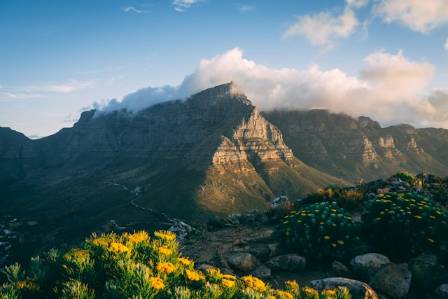
Table Mountain, A Natural Wonder
Table Mountain rises majestically above Cape Town, South Africa, and is one of the city’s most famous natural landmarks. Renowned for its spectacular scenery, remarkable biodiversity, and rich historical importance, it has attracted countless visitors from all over the world.
LEAF · en
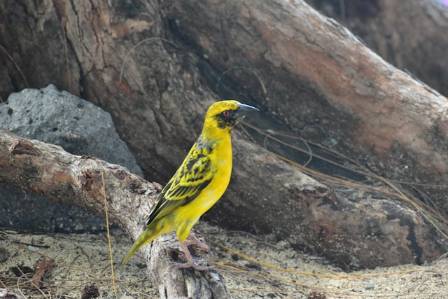
Himalayan Finch: A Tiny Bird of the High Mountains
This small finch measures approximately 14–15 cm in length. It has a short, compact bill and a tail that forms a noticeable fork at the tip.
LEAF · en
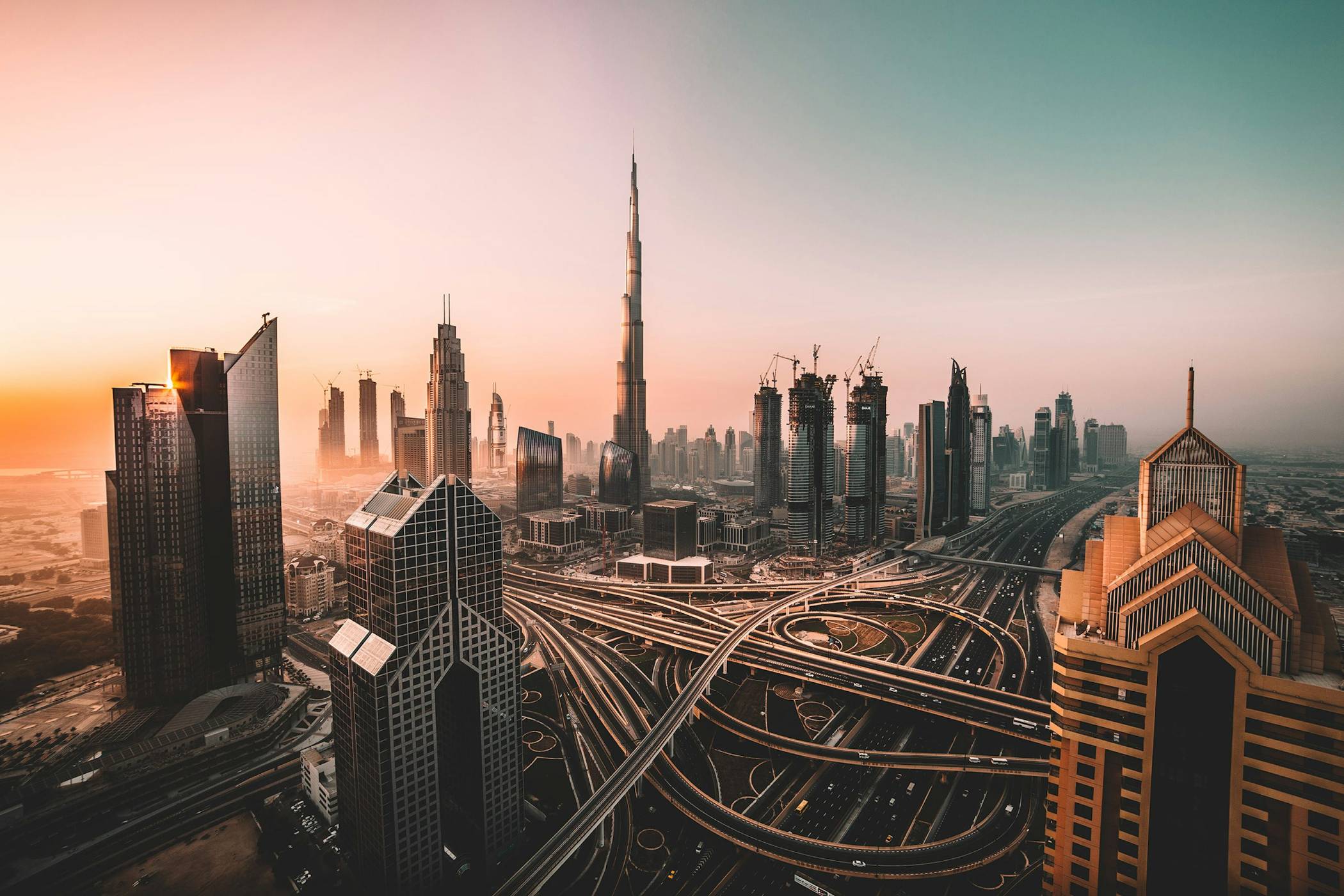
The Burj Khalifa: How a Three-Week Sketch Became the World's Tallest Building
用2句英语简述内容 Adrian Smith sketched the original design for the Burj Khalifa in just three weeks after Emaar Properties approached him for his supertall expertise, drawing on his earlier work on Seoul's Tower Palace Three and Islamic architectural elements. The tower's final height of 2,722 feet was decided on the spot during a model presentation in Dubai, when developers opted for an additional 500 feet beyond the original plan.
LEAF · en

Essential Facts Regarding Virtual Reality Headsets
Virtual reality (VR) utilizes visual and auditory signals, along with other sensory data, to construct a deeply immersive, digital surroundings. By fully shielding a person's eyes and often their ears, VR headsets plunge the individual into an artificial experience. These devices monitor head rotations and tilt, which enhances the sensation of "presence" by enabling users to scan their virtual surroundings naturally, just as they would in the physical world. Within educational contexts, these headsets offer the chance to engage in powerful simulations and safe training exercises, permitting students to investigate subjects and environments that would be impossible to access within a standard classroom.
LEAF · en
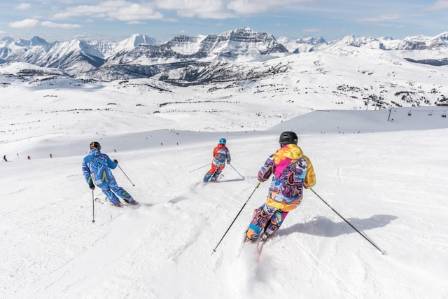
Alpine Skiing for Beginners
One of the great appeals of skiing is its flexibility—you can enjoy a relaxed scenic ride down gentle slopes or push yourself into a fast-paced, thrilling descent. Everything depends on the type of slope you choose. Among the many skiing styles, alpine skiing stands out as one of the most popular.
LEAF · en
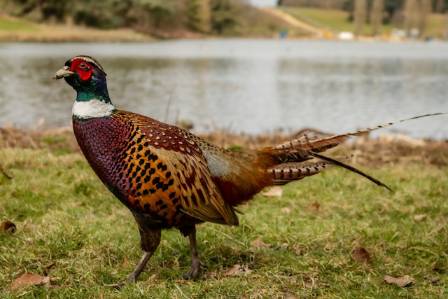
The Green Pheasant: A Rare Beauty at Risk
Green Pheasants, scientifically identified as Phasianus versicolor versicolor or P. v. robustipes, belong to the group known as True Pheasants. This group also includes the Ringneck Pheasant, Phasianus colchicus torquatus, commonly referred to as the Common Pheasant.