Grove read
Alpine Skiing for Beginners
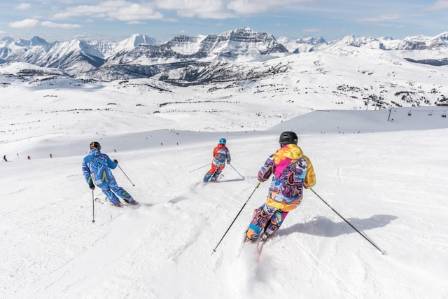
One of the great appeals of skiing is its flexibility—you can enjoy a relaxed scenic ride down gentle slopes or push yourself into a fast-paced, thrilling descent. Everything depends on the type of slope you choose. Among the many skiing styles, alpine skiing stands out as one of the most popular.
Kieran Blake
Margin note
Reading tip
The full digest continues below among botanical margin notes.
Grove
Olive Digests
One of the great appeals of skiing is its flexibility—you can enjoy a relaxed scenic ride down gentle slopes or push yourself into a fast-paced, thrilling descent. Everything depends on the type of slope you choose. Among the many skiing styles, alpine skiing stands out as one of the most popular.
Alpine skiing is a winter sport where participants glide down snow-covered terrain using skis that have fixed heel bindings. It is often called downhill skiing, although that term includes several variations. Alpine skiing is one specific category within downhill skiing. Unlike cross-country skiing, the skier’s heel remains locked to the ski, and ski lifts are used to transport skiers back to the top of the mountain. The sport originated in the Alpine regions of Europe during the late 1800s and early 1900s and later spread worldwide, becoming a favorite in many snowy destinations.
The Origins of Alpine Skiing
To understand alpine skiing, it helps to look at the broader history of skiing itself. Originally, skis were not designed for sport but for transportation across snow-covered landscapes, especially in remote and mountainous regions.
Over time, skiing evolved from a practical tool into a recreational activity and eventually into a competitive sport.
Today, alpine skiing is one of the most iconic events in the Winter Olympics. Athletes can reach speeds of up to around 150 km/h (about 95 mph) while navigating challenging downhill courses filled with turns, drops, and technical sections.
Competition Rules in Alpine Skiing
In competitive alpine skiing, athletes race down a marked course and aim to reach the finish line in the shortest possible time while following specific course rules.
Skiers must pass through designated gates arranged along the slope. Missing or incorrectly passing a gate results in disqualification or penalties. Speed and precision both play a major role.
Typical course characteristics include:
Men’s downhill vertical drop: roughly 800–1100 meters
Women’s downhill vertical drop: roughly 450–800 meters
Speeds can exceed 120 km/h in speed events
In parallel slalom events, two skiers race side-by-side on identical courses. The winner is determined by who finishes first, often in elimination rounds.
Essential Alpine Skiing Equipment
Skis
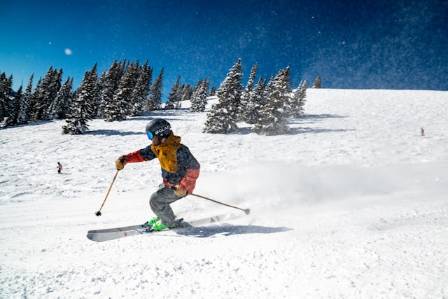
Modern alpine skis are designed for turning, stability, and speed control. Common types include:
Powder skis: Wider skis designed to float on deep, soft snow
Freestyle skis: Built for tricks, jumps, and terrain parks with balanced symmetry
All-mountain skis: Versatile skis suitable for a mix of groomed trails and off-piste conditions
Bindings
Bindings connect boots to skis and play a crucial safety role. They hold the skier firmly in place but release automatically during a fall to reduce injury risk.
Main systems include:
Heel-and-toe release mechanisms
Integrated plate systems
Boots
Ski boots are one of the most important pieces of equipment, as they transfer movement directly to the skis. Modern boots are made from hard outer shells with cushioned inner liners for warmth and comfort.
They typically feature:
A rigid plastic outer shell
Adjustable buckles and straps
Supportive internal padding
Helmet
Helmets are essential for protecting against head injuries and also help retain warmth in cold conditions. Most helmets include padded interiors, ventilation systems, and attachment points for goggles or accessories.
Protective Gear
Additional safety equipment may include shin guards, arm protection, back protectors, and mouthguards, especially in high-speed or technical racing events.
Disciplines of Alpine Skiing
Alpine skiing includes several competitive formats, each testing different skills such as speed, control, and technical precision.
Downhill
A pure speed event with minimal turns and maximum velocity. Skiers aim for the fastest descent on long, steep courses.
Super-G (Super Giant Slalom)
A speed-based discipline combining fast skiing with more frequent gates than downhill, requiring both speed and control.
Giant Slalom
A technical race with wider turns and more gates than Super-G. Skiers complete two runs, and total time determines the winner.
Slalom
The most technical discipline, featuring tightly spaced gates that require quick, precise turns. It is usually run in two rounds.
Alpine Combined
A mixed event that includes both a speed run (downhill) and a technical run (slalom), testing a skier’s all-around ability.
Parallel Slalom
Two skiers compete head-to-head on identical courses. The faster skier advances in elimination-style rounds.
Final Thoughts
Alpine skiing offers something for every level of athlete—from beginners enjoying scenic runs to elite competitors racing at extreme speeds. Whether you ski for fun or competition, the mountain always provides a new challenge and experience.
More along this branch
LEAF · en
Agricultural Robots Bringing Food to the Table
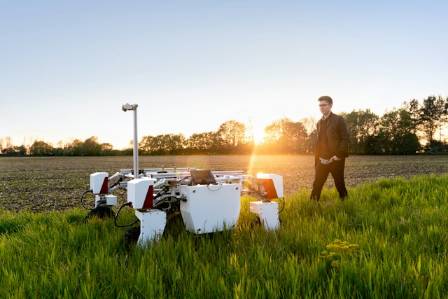
Agriculture is steadily becoming more automated. The shift initially focused on autonomous tractors equipped with sensors and software that allowed them to operate continuously throughout the day and night. Today, the technology has expanded into a wide variety of agricultural robots equipped with increasingly sophisticated sensors, software, lasers, and specialized gripping mechanisms. These machines can harvest crops, remove weeds, control pests, and perform many other demanding jobs. Here are five emerging agricultural robots currently working on farms across the country.
LEAF · en

9 Fresh Fruit Smoothies You’ll Want to Make Again and Again
Fresh fruit smoothies are refreshing, naturally sweet, and incredibly easy to make. Whether you want a quick breakfast, a healthy snack, or a cooling summer treat, smoothies are one of the simplest ways to enjoy fruit.
LEAF · en
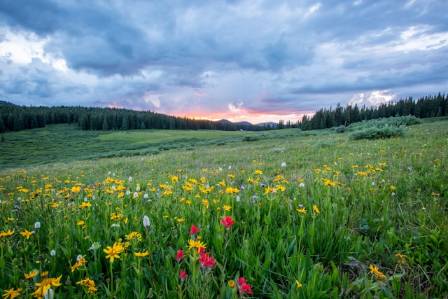
The 4 Seasons: Nature's Annual Cycle Explained
The four seasons — spring, summer, autumn (fall), and winter — are distinct periods of the year that encompass unique weather patterns and varying lengths of daylight. These cycles profoundly affect our environment, shaping the natural world and influencing human activities. Let's delve into each season's characteristics and the fascinating reasons behind their phenomena.
LEAF · en

How To Draw A Giraffe
Giraffes are the tallest land mammals on Earth, with males reaching heights of up to 18 feet.
LEAF · en
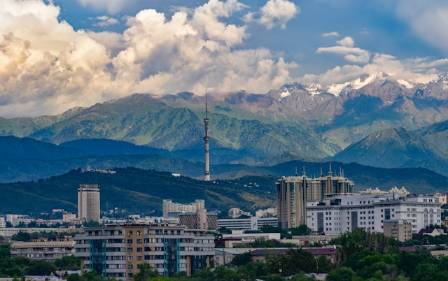
The world's top 10 cities surrounded by mountains
Nagano is a perfect example of a city where visitors can enjoy both modern urban experiences and exciting mountain adventures. While many people assume outdoor activities require leaving the city behind, Nagano proves that skiing, hiking, culture, and city comforts can all exist within easy reach.
LEAF · en
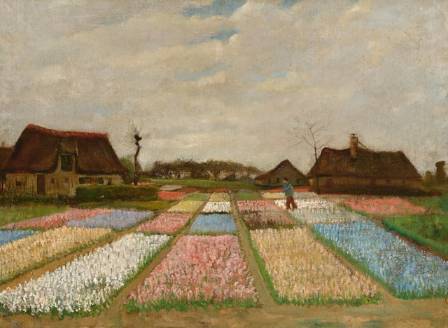
Large-Scale Living Murals: The Sustainable Beauty of Rice Paddy Art
Agricultural artistry, famously known in Japan as tanbo art, involves the meticulous planting of various colored rice strains to produce massive, intricate images within farmland. While roots of this practice can be traced back to the Edo period (1603–1868), it saw a significant resurgence and surge in global popularity during the 20th century. This unique intersection of farming and creativity serves as a vivid tribute to the natural world.