Grove read
The Shift to Electric: The Dynamic Evolution of the Automotive Industry
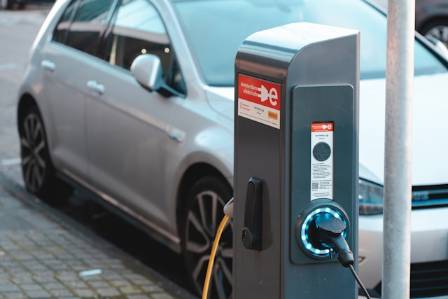
The automotive sector finds itself at the crossroads of transformation, navigating the compelling shift toward Electric Vehicles (EVs). Fueled by global climate change imperatives, nations are under increasing pressure to meet environmental milestones, propelling a surge in demand for electric alternatives and prompting automakers to recalibrate their strategies.
Leo Everett
Margin note
Reading tip
The full digest continues below among botanical margin notes.
Grove
Olive Digests
The automotive sector finds itself at the crossroads of transformation, navigating the compelling shift toward Electric Vehicles (EVs). Fueled by global climate change imperatives, nations are under increasing pressure to meet environmental milestones, propelling a surge in demand for electric alternatives and prompting automakers to recalibrate their strategies.
The Current Landscape of the EV Transition
The impetus behind the EV transition is multi-faceted. Consumers, cognizant of their environmental footprint, seek innovative ways to reduce reliance on non-renewable resources, driven by a heightened awareness of their impact on the climate. Macro-economic factors, such as soaring gas prices and inflation eroding monthly spending power, compel consumers to explore alternative modes of transportation.
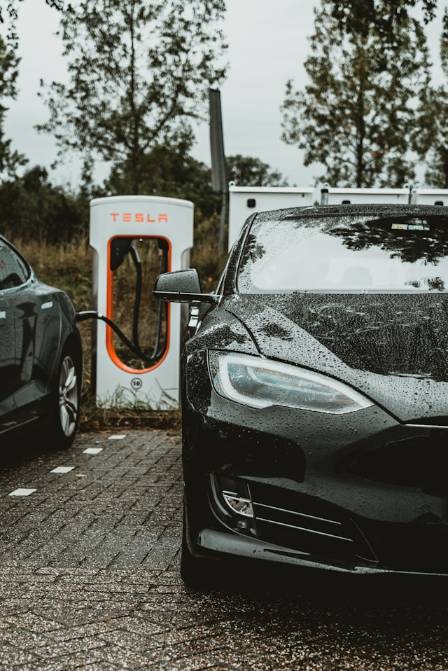
Yet, the transition extends beyond environmental consciousness and economic pressures. Pioneering companies like Tesla introduce aesthetically appealing, high-performance EVs, enticing early adopters who refuse to compromise on quality and capability. Traditional automakers, deeply rooted in gasoline-based vehicles, must now invest in research and retooling to stake a claim in this rapidly evolving market.
Integration of Electric Vehicles in the Automotive Industry
Successfully integrating electric vehicles into the automotive industry necessitates a delicate balance between Internal Combustion Engine (ICE) vehicle production and the burgeoning realm of EVs. Failure to manage this transition risks diminished profitability. To secure their standing in the marketplace and establish a competitive advantage, companies must invest in research, often leading to extensive Electric Vehicle Research and Development (EV R&D) and patent filings.
Navigating the EV landscape poses challenges, particularly for companies accustomed to outsourcing components. With limited part vendors in the burgeoning EV sector, manufacturers are compelled to produce components in-house, impacting costs. Despite these challenges, the ongoing global EV transition presents an opportune moment for manufacturers, shareholders, and consumers alike.
4 Strategic Responses to the EV Transition
The pace at which the automotive industry adapts to the EV transition is contingent upon adoption rates. Notably, India's EV adoption is surging at approximately 155% annually, positioning the nation to achieve its ambitious EV30@30 pledge — having 30% of all vehicles as EVs by 2030.
Battery Range Technology: Central to the EV evolution is the ongoing research into battery technology. Charge density, dependent on battery composition and size, remains a focal point. Advancements may lead to alterations in chemical composition, potentially utilizing more abundant or easily extractable elements. Simultaneously, improvements in the charging process and infrastructure play pivotal roles.
OEM Manufacturing: Original Equipment Manufacturers (OEMs) are adapting their offerings to align with the EV transition. Integration becomes paramount, with larger companies phasing out OEMs supplying multiple entities. Vertical integration, exemplified by Tesla, emerges as a strategy to secure supply chains and enhance competitiveness.
Proprietary Electric Vehicles: Automotive companies initiate the shift by introducing concept and small-batch EVs to meet evolving goals and maintain brand alignment. As markets evolve, manufacturers, particularly in countries like India, must progress with comprehensive EV manufacturing plans to retain their demographic.
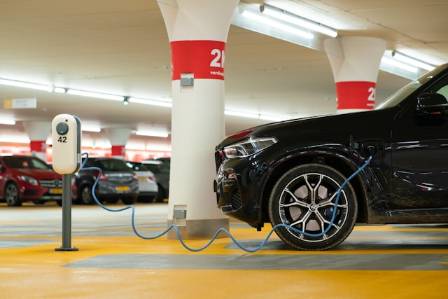
Charging Stations: A critical facet of the EV landscape is the proliferation of charging stations, now integrated into traditional gasoline stations to counter potential business losses. The rollout aligns with growth patterns, mirroring the EV transition. Early adopters of charging station infrastructure are poised for long-term profitability.
Closing Reflections on the EV Transition
The EV transition is in its nascent stages, and the trajectory may shift with advancements in battery technology or alterations in charging behavior. Leading companies, armed with research-backed solutions and an array of patents, position themselves to thrive. The journey forward centers around four key areas: battery range technology, OEM adaptations, EV manufacturing, and charging infrastructure.
The evolving automotive landscape prompts contemplation on the future trajectory of the EV transition. As technology evolves, markets adapt, and environmental consciousness grows, the automotive industry navigates a paradigm shift in manufacturing processes, and the unfolding narrative of the EV transition invites keen observation.
More along this branch
LEAF · en

Santorini: The Greek Island of Dreams
The phrase “Greek Isles” immediately brings to mind images of bright white houses clustered along steep hillsides, overlooking sparkling blue seas. Yet with more than 200 islands spread throughout the Aegean and Ionian seas, choosing where to begin can be difficult.
LEAF · en

23 Coffee Table Decor Ideas: Elevate Your Living Space with Impactful Details
Small details hold immense power in interior design, and coffee table decor stands out as a transformative element that can redefine your living space’s ambiance. While arranging coffee table decor may seem daunting at first—what starts as a simple task can quickly feel chaotic with endless options—this versatile surface is actually your chance to showcase creativity, organization, and personal style. Best of all, coffee table decor is one of the most flexible aspects of your home: swap books for tabletop objects, puzzles for candles and flowers, or mix elements freely to create a decorative catchall that reflects your current obsessions. Below, discover curated ideas and principles to turn your coffee table into a focal point that feels intentional, stylish, and uniquely yours.
LEAF · en

How and Why to Take Up Winter Hiking
All products and listings featured on Condé Nast Traveler are chosen independently by our editors. However, we may receive payment from retailers and/or from purchases made through these links. Winter hiking brings a strange, haunting quiet. On a freezing March day, as I climbed the Devil’s Path trail in New York’s Catskills, the only sounds I could hear were my own breath and the muffled crunch of my snowshoes on the lightly packed trail. There was no sign of other living things within earshot.
LEAF · en

Floral Watercolour Painting
Painting flowers in watercolour is a soothing and rewarding way to connect with nature. It encourages you to slow down, observe carefully, and enjoy the simple pleasure of watching pigment flow across paper.
LEAF · en

My Top 5 Italian Pasta Recipes (Ranked by Flavor and Memory)
Pasta isn’t just a meal to me—it’s a celebration of flavor, tradition, and cherished memories. My lifelong love affair with Italian pasta has led to countless kitchen adventures, but narrowing down my top 5 dishes was no easy feat. These picks aren’t just based on taste; they’re tied to the emotions and joy they bring to the table, each holding a special place in my culinary journey.
LEAF · en

The Largest Ferris Wheels in the World
Ferris wheels have evolved far beyond traditional amusement rides. Today’s giant observation wheels combine engineering innovation, panoramic views, and luxury experiences, becoming iconic landmarks in cities around the world. Here are some of the tallest and most impressive Ferris wheels currently operating globally.