Grove read
Guinea Pig Care for Pet Owners
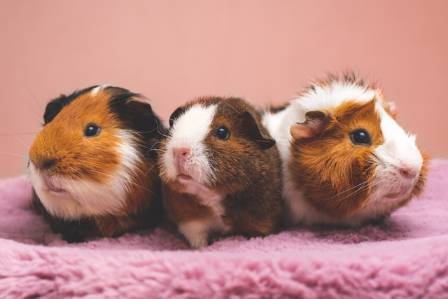
Owning a guinea pig means understanding the daily care requirements that help maintain its health, happiness, and comfort. This guide was created to provide guinea pig owners with useful information about suitable housing, bedding materials, nutrition, water needs, and other important care considerations. By learning about these essential needs, owners can make better choices and create a safe and healthy living environment for their pets.
Iris Dalton
Margin note
Reading tip
The full digest continues below among botanical margin notes.
Grove
Olive Digests
Owning a guinea pig means understanding the daily care requirements that help maintain its health, happiness, and comfort. This guide was created to provide guinea pig owners with useful information about suitable housing, bedding materials, nutrition, water needs, and other important care considerations. By learning about these essential needs, owners can make better choices and create a safe and healthy living environment for their pets.
Understanding the basic needs of guinea pig care
A guinea pig is the common name for a small animal scientifically known as a cavy. The word cavy comes from its scientific name, Cavia porcellus. Despite its name, the guinea pig does not come from Guinea and is not related to pigs. It belongs to the Rodentia family and originates from the high plains of South America. The most widely accepted explanation for its unusual name is that guinea pigs produce sounds similar to pigs, such as squeaks and grunts, and British sailors in the 1600s sold them for one guinea, an old British currency unit.
Guinea pigs are popular pets because they are gentle, affordable, and relatively simple to care for. They have calm personalities, rarely bite, and enjoy social interaction with both humans and other guinea pigs. Many guinea pigs enjoy being held and receiving attention from their owners. Compared with many other small pets, guinea pigs are larger and move more slowly, making them easier to handle and easier to catch if they escape from their enclosure. Although they are not as intelligent as rats, guinea pigs can learn simple behaviors and become active, playful companions when provided with proper enrichment and interaction.
In their natural environment, guinea pigs live as herd animals. They gather in groups for protection and companionship, and these social instincts remain strong in domesticated guinea pigs. Wild guinea pig groups usually have a clear social structure, with a dominant male leading a group of females. This natural desire for companionship is one of the reasons guinea pigs make such enjoyable pets.
A guinea pig kept alone often depends on its owner for the attention and social stimulation it would normally receive from a herd. Because of this, guinea pigs should not be kept isolated in places such as garages, storage areas, or unused rooms. They prefer living in areas where they can observe and interact with their family members. However, excessive noise and constant disturbance can also create stress, so a balance between companionship and a peaceful environment is important.
If you plan to keep more than one guinea pig, choosing compatible companions is essential. Two adult males usually do not tolerate living together and may fight over territory, food, or dominance. Serious conflicts can result in injuries or even death for the weaker animal. Two females can often live together successfully, and a male and female pair can also be a suitable combination. However, guinea pigs mature quickly and may begin reproducing at only four to six weeks old. If breeding is not desired, males, females, or both should be sterilized when housed together.
Housing
When selecting a home for a guinea pig, owners generally have three options: purchasing a ready-made commercial cage, having a custom enclosure built, or creating a cage themselves. Regardless of the choice, several important housing requirements should always be considered.
Each guinea pig should have at least two square feet of living space. For example, two guinea pigs should have a cage measuring at least four square feet. Many commercially available cages are designed for only one guinea pig and may not provide enough room for multiple pets.
Guinea pigs should never be kept in cages with wire flooring. Their feet and legs can easily become trapped between the openings, which may lead to broken bones, injuries, or even loss of toes. If a wire-bottom cage is used, it should be covered with a solid surface made from materials such as plastic, metal, or properly treated wood.
Large glass aquariums are not suitable homes for guinea pigs. They are difficult to clean, provide limited ventilation, and allow ammonia from waste to accumulate quickly. They also retain heat, especially when placed near windows or in direct sunlight, which can create dangerous conditions.
Guinea pigs are not naturally comfortable with high places, so multi-level cages should be designed carefully. If a cage has several floors, the levels should be positioned close together to reduce the possibility of serious injuries caused by falling.
Because guinea pigs originally come from the cooler highland regions of South America, they tolerate cold temperatures better than excessive heat. Their preferred temperature is around 65–68°F, although they should still be protected from cold drafts. Temperatures above 80°F can put guinea pigs at serious risk of heat stroke. Their cages should be placed away from heating vents, direct sunlight, and other sources of high temperatures.
Bedding
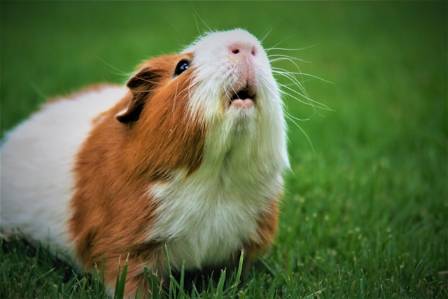
Once a suitable cage has been selected, the bottom of the enclosure should be covered with appropriate bedding. Bedding serves several purposes: it absorbs waste, provides a comfortable walking surface, and gives guinea pigs a place to create nests or burrow.
A good bedding material should be safe for guinea pigs, help control odors, and avoid causing health problems. Different bedding options have different benefits and disadvantages.
Cedar shavings should be avoided completely. Research has shown that cedar bedding may contribute to long-term respiratory problems and changes in liver function. Some guinea pigs may also experience allergic reactions, including serious skin irritation and breathing difficulties. The aromatic oils that make cedar effective at covering odors are also the reason it can be harmful.
Pine shavings are another common bedding choice, but they may also create problems because of their natural oils. These oils help reduce unpleasant smells but can irritate small animals that spend most of their time close to the bedding. Kiln-dried pine contains fewer oils than regular pine, but even small amounts may still be irritating to guinea pigs because of their sensitive sense of smell. Although pine is safer than cedar, avoiding it when possible is generally recommended.
Aspen shavings are a safer wood-based option because they come from a non-aromatic hardwood. They do not contain the same types of oils found in cedar or pine. However, aspen does not provide strong odor control, so frequent cage cleaning is necessary to maintain a healthy environment.
Carefresh is a popular alternative to traditional wood bedding. It is made from processed wood pulp fibers that are too short to be used as paper. These fibers create a soft, shredded texture similar to small pieces of cardboard. One of its biggest advantages is odor control because the paper-based material helps reduce ammonia buildup.
Crown Animal Bedding and Yesterday’s News are paper-based pellet beddings that provide excellent odor absorption. Yesterday’s News is available in different levels of firmness. However, these materials may feel slightly hard when used alone. Adding a layer of timothy hay on top can create a softer and more comfortable surface.
Corncob bedding is not recommended for guinea pigs. It is difficult for them to digest if accidentally eaten and can easily develop mold. These problems make it an unsafe bedding choice.
Straw is not a suitable bedding material because it does not absorb urine effectively. The hard stalks can also create a risk of eye injuries.
Timothy hay can be a useful bedding material because it serves multiple purposes. Guinea pigs enjoy eating it, digging through it, making nests with it, and playing in it. Fresh timothy hay has a pleasant smell and can absorb some moisture. However, it does not control odors well and may become moldy when wet. It works best when used as a top layer over a more absorbent bedding material. Fresh timothy hay purchased directly from a reliable source is usually better than heavily dried packaged hay sold in many pet stores.
Cat litter is generally unsuitable for guinea pigs. Many cat litters are difficult to digest, contain chemicals designed to control odors, and have a rough texture. Clumping litter is especially dangerous because it can stick to a guinea pig’s fur when wet and harden into a cement-like substance. Since guinea pigs stay much closer to the ground than cats, this problem can occur easily.
More along this branch
LEAF · en

Vibrant Spring Fashion: Embracing a Lively, Youthful Spirit
As daylight stretches longer and blossoms burst open, the season carries a fresh, youthful energy that feels impossible to ignore. Spring is the ideal moment to refresh your wardrobe with styles that capture this sense of renewal—outfits that feel lively, spirited, and full of the joy that comes with warmer days. Whether you’re drawn to bold colors, playful patterns, or easygoing silhouettes, this season’s fashion invites you to embrace a look that’s as energetic as the world around you.
LEAF · en

Macaron facts for children
A macaron (pronounced mah-kah-RON) is a delightful French pastry. It consists of a small, round confection crafted from egg white, powdered sugar, granulated sugar, and finely milled almond flour. Often, food coloring is added to achieve its vivid appearance.
LEAF · en
Draw Cartoon Animals
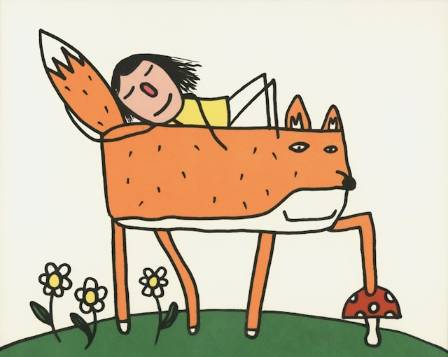
who doesn’t enjoy cartoons? there are countless beloved cartoon characters that bring joy to both kids and adults, with something to match every taste and age.
LEAF · en

Master the Art of Homemade Sushi: Expert Tips and Techniques
While ordering sushi at a restaurant is a common treat, preparing it in your own kitchen is surprisingly achievable and significantly more affordable. Most of the necessary components, such as sriracha, sesame seeds, and rice vinegar, are pantry staples that remain fresh for a long time. By investing in a few basic items, you can host a festive "roll your own dinner" night for a fraction of the cost of dining out.
LEAF · en

Understanding Moon Craters: Origins and Formation
Moon craters, those captivating bowl-shaped features on the lunar surface, have intrigued scientists and stargazers alike. Their formation is a testament to the dynamic history of Earth's celestial companion, shaped by the interplay of volcanism and cratering.
LEAF · en

Largest Natural Arches in the World
A natural arch is a geological structure created when cliffs or rock formations are gradually worn away by erosion caused by ocean waves, rivers, wind, rain, or other natural forces. In some cases, water continues to flow beneath the opening, and the formation is referred to as a natural bridge. However, the difference between a natural arch and a natural bridge is not always clearly defined. The Natural Arch and Bridge Society considers a bridge to be a type of arch mainly shaped by flowing water, while geological references often describe a natural bridge as an arch that crosses an eroded valley.