Grove read
Draw Cartoon Animals
who doesn’t enjoy cartoons? there are countless beloved cartoon characters that bring joy to both kids and adults, with something to match every taste and age.
Owen Bennett
Margin note
Reading tip
The full digest continues below among botanical margin notes.
Grove
Olive Digests
who doesn’t enjoy cartoons? there are countless beloved cartoon characters that bring joy to both kids and adults, with something to match every taste and age.
animals often inspire cartoon characters, and learning to draw them can be a fun way to create your own designs.
in this tutorial, we’ll guide you through drawing three adorable cartoon animals! by following our steps, you’ll see just how easy and enjoyable it can be.
let’s jump into this step-by-step tutorial for drawing cartoon animals in six simple stages.
step 1 – start with the first animal
we’ll begin by sketching three charming animals: a chipmunk, a raccoon, and a giraffe. in this first step, we’ll focus on the chipmunk.
start with the head outline using small, bumpy curves. this will give the chipmunk a fluffy, cute appearance. once the head is outlined, we can move on to adding more features.
step 2 – add facial features
now that the head is outlined, draw the eyes as small ovals, adding eyebrows and details for personality. next, add a large nose under the eyes, then draw curved lines extending from the nose to form a smiling mouth. include a few tiny teeth, and sketch the acorn the chipmunk will hold.
step 3 – draw the chipmunk’s body
add small circles in the eyes for pupils. draw the arms holding the acorn, finish the acorn if needed, and use curved lines for the body. make the legs short with rounded toes, and add a small pointed tail. this completes the chipmunk for now.
step 4 – sketch the next animal
move on to the raccoon. outline its head with curved lines for fluffiness, making it wider at the sides. add the facial features—eyes, nose, and mouth—and draw its tiny arms.
step 5 – finalize the animal shapes
complete the raccoon’s body with rounded shapes, legs, and feet. then, sketch the giraffe’s head peeking from behind the other animals. use the same method: outline first, then add facial details and spots. once all three animals are drawn, you can include extra elements like a background or additional creatures.
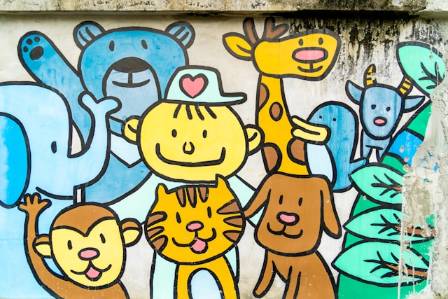
step 6 – color your cartoon animals
use different color schemes for each animal to make them more visually engaging. for the chipmunk, choose light brown and yellow for its fur and belly, and browns for the acorn. for the raccoon, mix light and dark greys, leaving the belly white. the giraffe can be colored with tans and light yellows. feel free to choose any colors you like!
enhancing your drawing
you can make your cartoon animals even more interesting by adding extra characters, dressing them in cute clothes, or designing a creative background—like a jungle, forest, or birthday party scene. experiment with colors and techniques to bring your drawing to life.
conclusion
we hope you had fun creating these three adorable cartoon animals! by breaking the process into manageable steps, you can easily draw other cute animals too. once finished, you can customize your artwork with backgrounds, extra details, or entirely new creatures.
if you enjoyed this tutorial, check out our website for more fun drawing guides and art activities. once your cartoon animals are complete, share your artwork on our facebook or pinterest pages so we can see your creations!
More along this branch
LEAF · en

5 Revolutionary Technological Innovations That Shaped the World
Throughout history, transformative inventions have fundamentally altered the way we live, work, and interact with our environment. These milestones set the stage for further advancements, creating a ripple effect that has shaped our modern world. Below, we explore 5 pivotal technological inventions that have drastically changed the course of human history.
LEAF · en
The Uniqueness of Waterbuck
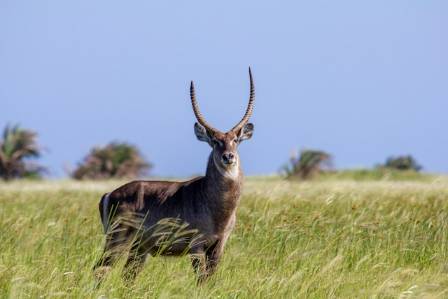
The waterbuck has always been one of my favourite antelope species. These distinctive animals are frequently seen at Londolozi, where their shaggy appearance can sometimes make them seem almost out of place among the surrounding wildlife. As their name indicates, waterbuck have a strong connection to water and depend heavily on it for survival. They are also particularly susceptible to dehydration.
LEAF · en

The World's Most Dramatic Sea Cliffs
Towering sea cliffs offer some of the world's most spectacular viewpoints, combining dramatic scenery with the thrilling sensation of standing at the edge of the earth.
LEAF · en
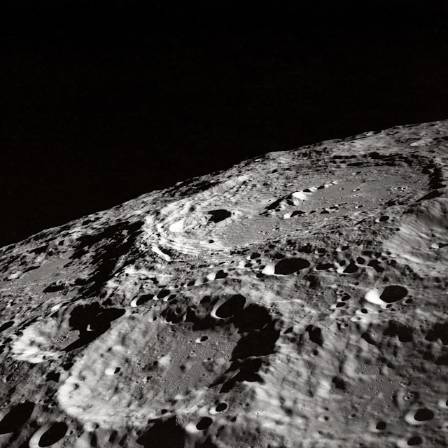
Understanding Moon Craters: Origins and Formation
Moon craters, those captivating bowl-shaped features on the lunar surface, have intrigued scientists and stargazers alike. Their formation is a testament to the dynamic history of Earth's celestial companion, shaped by the interplay of volcanism and cratering.
LEAF · en
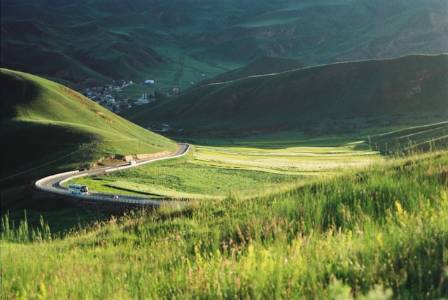
Roadside Grassland Restoration: Turning Challenges into Opportunities
Roadsides cover a surprisingly large portion of our landscapes, and though often overlooked, they have the potential to play an important role in restoring ecosystems. When properly managed, these areas can provide habitat for native plants, support wildlife, and even deliver valuable ecosystem services such as erosion control and pollination. However, despite their potential, biodiversity-friendly restoration practices are rarely put into action.
LEAF · en

A BIG VICTORY FOR THE SMALL CAR: 50 YEARS ON, THE CLASSIC MINI’S 1964 MONTE CARLO RALLY TRIUMPH THAT SHOCKED MOTORSPORT
In the annals of international motorsport, few victories have carried the underdog spirit as vividly as the one scored by a tiny British car on a frosty January day in 1964. On 21 January, the Classic Mini Cooper S—small, lightweight, and outgunned by its V8-powered rivals—claimed its first Monte Carlo Rally win, a triumph that didn’t just rewrite the rulebook for rallying but etched itself into the hearts of fans worldwide. Fifty years later, the story of Patrick “Paddy” Hopkirk, his co-driver Henry Liddon, and their iconic Mini (licence plate 33 EJB) remains a masterclass in how ingenuity, timing, and a car built for the people could topple giants.