Grove read
Large-Scale Living Murals: The Sustainable Beauty of Rice Paddy Art
Agricultural artistry, famously known in Japan as tanbo art, involves the meticulous planting of various colored rice strains to produce massive, intricate images within farmland. While roots of this practice can be traced back to the Edo period (1603–1868), it saw a significant resurgence and surge in global popularity during the 20th century. This unique intersection of farming and creativity serves as a vivid tribute to the natural world.
Christopher Hawthorne
Margin note
Reading tip
The full digest continues below among botanical margin notes.
Grove
Olive Digests
Agricultural artistry, famously known in Japan as tanbo art, involves the meticulous planting of various colored rice strains to produce massive, intricate images within farmland. While roots of this practice can be traced back to the Edo period (1603–1868), it saw a significant resurgence and surge in global popularity during the 20th century. This unique intersection of farming and creativity serves as a vivid tribute to the natural world.
The Technical Craft of Living Illustrations
The creation of these massive murals relies on the natural diversity of rice varieties. Unlike traditional painting, the "ink" here consists of living seedlings: white rice creates bright highlights, while red, yellow, or purple strains provide contrasting tones. This process is remarkably labor-intensive, requiring precise land leveling and the removal of weeds before a single grain is planted.
Farmers must plant the seedlings in high density to ensure the colors appear solid and vibrant from a distance. Once the design is set, the fields require constant care, including multiple daily waterings during the peak of summer and manual weeding to protect the integrity of the image. As the rice grows, the colors shift and deepen, making the artwork a living, breathing spectacle.
Cultural Value and Environmental Harmony
This art form holds deep significance within Japanese history, acting as a bridge between ancient agricultural traditions and modern aesthetic expression. Because the medium is entirely organic, it is inherently sustainable and eco-friendly. It encourages a sense of harmony with the environment, offering a peaceful and creative way for people to reflect on their connection to the land.
Beyond its visual appeal, the practice is educational. It demonstrates the importance of farming in a way that is accessible to all generations. By using nature as a canvas, artists inspire observers to think innovatively about how traditional industries can be reimagined for the modern era.

Community Participation and Local Heritage
The success of these projects depends heavily on the collective effort of local residents. Farmers manage the technical aspects of cultivation, but the broader community—including local businesses and volunteers—often provides the logistical and financial support needed to host festivals. These events celebrate the harvest while showcasing the creative spirit of the region.
Engagement starts at a young age, as local children often participate in the planting and maintenance phases. For youth, it is an engaging introduction to the world of agriculture, teaching them about plant biology and the patience required for large-scale projects. The reward comes at harvest time, seeing a tiny seedling transform into a globally recognized masterpiece.
Tourism and Economic Impact in Rural Regions
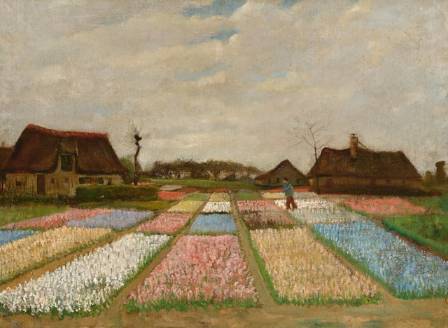
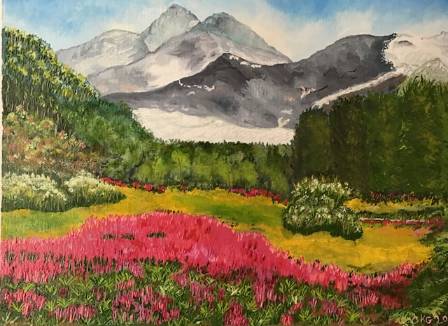
For rural areas, these fields have become a major draw for international travelers and photography enthusiasts. This influx of visitors provides a vital economic boost to small towns, helping to sustain local economies and preserve traditional ways of life that might otherwise fade. By capturing these scenes in paintings and photographs, the beauty of the Japanese countryside reaches a global audience.
Notable Regions for Agricultural Art
Several areas in Japan have gained international fame for their stunning field designs:
-
Inakadate, Aomori: Famous for grand-scale projects since 1993, this town has recreated iconic works like the Mona Lisa and Hokusai’s Great Wave across its expansive fields.
-
Yuasa, Kyoto: Known for more traditional, delicate motifs such as animals and flowers, often influenced by historic fabric-dyeing techniques.
-
Shingu, Wakayama: Art here is frequently inspired by Shinto spirituality, featuring divine figures and sacred symbols linked to the nearby Kumano Kodo pilgrimage route.
-
Kagawa Prefecture: Numerous small villages in this region utilize age-old methods to depict local landmarks and festive traditions.
Fascinating Facts About Rice Murals
The vibrancy of these fields is entirely natural; blue, yellow, red, and white hues come from specific rice species rather than artificial dyes. The scale can be truly immense, with record-breaking displays covering over 120,000 square meters. Because the art is tied to the life cycle of the plant, it is a seasonal experience, visible only during the growing months from April through September. Interestingly, while the tradition is ancient, some modern farmers now utilize drones to monitor the health of the seedlings and ensure the design remains perfect throughout the season.
More along this branch
LEAF · en
Uncovering 5 Benefits of Horseback Riding
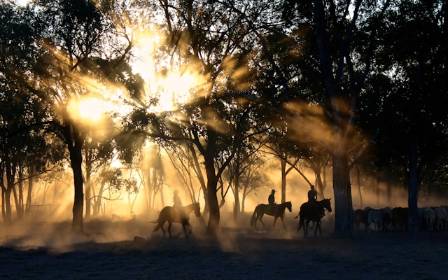
Everyone has their own unique reasons for wanting to learn how to ride a horse, and the benefits of horseback riding are vast and shared among riders everywhere. If you’re contemplating a new hobby, perhaps the insights below will inspire you to join the ranks of riders.
LEAF · en

A Comprehensive Guide to Selecting Women’s Underlayers: Enhancing Every Silhouette
Choosing the ideal underlayer—be it a delicate camisole, a fitted bodysuit, or a light knit—is a foundational step in building a sophisticated wardrobe. These essential pieces do more than provide comfort; they serve as the structural base for your entire outfit, influencing how your silhouette appears and how your outer layers drape. By understanding your specific body type, you can select underlayers that accentuate your best features and provide a seamless, confident look for any occasion.
LEAF · en

The Canada Goose Uncovered
Soaring gracefully through the sky or casually grazing on a city lawn, the Canada goose is one of North America’s most captivating waterfowl.
LEAF · en

Is a Red Panda a Bear?
September 19 marks International Red Panda Day, a special occasion to celebrate one of the world’s most charming and unusual mammals. Whether you call them red pandas, firefoxes, red bear-cats, lesser pandas, first pandas, or simply “the other pandas,” these fluffy creatures are full of fascinating secrets.
LEAF · en

The best portable bluetooth speakers for every adventure
Portable Bluetooth speakers make it easy to bring your favorite music wherever life takes you. Whether you're relaxing by the pool, spending a day at the beach, camping under the stars, hiking through nature, or getting ready for a night out, a quality speaker can instantly enhance the experience.
LEAF · en

Pickup Truck Buying Guide
Trucks are no longer just workhorses for hauling cargo. Today, they often serve as daily family vehicles, weekend adventure companions, or even mobile command centers for commercial operations. Modern pickups combine practicality with luxury, appealing to buyers who want performance, style, and comfort all in one package.