Grove read
One World Trade Center: An Icon of Modern Architecture
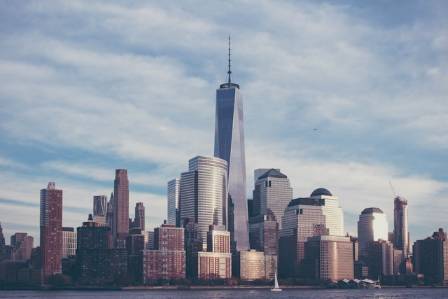
One World Trade Center stands as a powerful symbol of resilience and innovation in the heart of New York City. Rising from the site of the original World Trade Center towers destroyed on September 11, 2001, this building not only serves as a functional office space but also represents the enduring spirit of progress and unity. It combines cutting-edge design with advanced safety features, redefining what a skyscraper can be in the 21st century.
Madison Rogers
Margin note
Reading tip
The full digest continues below among botanical margin notes.
Grove
Olive Digests
One World Trade Center stands as a powerful symbol of resilience and innovation in the heart of New York City. Rising from the site of the original World Trade Center towers destroyed on September 11, 2001, this building not only serves as a functional office space but also represents the enduring spirit of progress and unity. It combines cutting-edge design with advanced safety features, redefining what a skyscraper can be in the 21st century.
Design and Architectural Vision
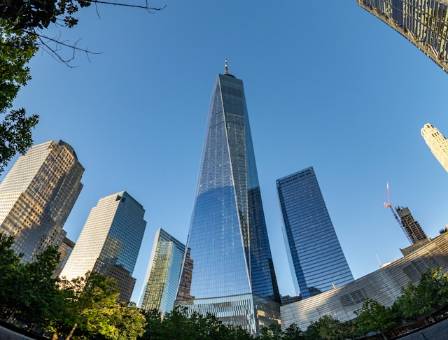
The architectural design of One World Trade Center is a masterful blend of symbolism and modern aesthetics. Designed by architect David Childs of Skidmore, Owings & Merrill, the structure features a sleek, tapering form that evokes both strength and elegance. The building’s base is a square, honoring the footprints of the original towers, which gradually transitions into a series of eight isosceles triangles that merge to form a perfect octagon at the midpoint. This transformation culminates in a glass spire that reaches skyward, creating an overall silhouette reminiscent of a torch, symbolizing hope and enlightenment.
The facade of the tower is composed of prismatic glass panels that reflect sunlight and the surrounding skyline, creating a dynamic interplay of light and shadow throughout the day. This reflective surface not only enhances the building's beauty but also contributes to energy efficiency by reducing solar heat gain. The tower’s design thoughtfully balances aesthetics with environmental responsibility, incorporating sustainable building materials and technologies.
Height and Structural Innovations
Soaring to a symbolic height of 1,776 feet—marking the year of American independence—One World Trade Center holds the title of the tallest building in the Western Hemisphere. Its impressive stature is supported by a robust structural system designed to withstand both natural and man-made forces. The building’s core is constructed from reinforced concrete, providing exceptional strength and stability, while a steel framework surrounds it to distribute loads effectively.
The foundation sits on a massive concrete slab and deep caissons anchored into bedrock, ensuring the building’s resilience against earthquakes and strong winds. Moreover, the tower incorporates advanced engineering features such as tuned mass dampers, which counteract sway and enhance occupant comfort even during severe weather conditions. Safety is paramount in the building’s design, with multiple redundancies built into its evacuation routes and fire-resistant materials utilized throughout.
Sustainability and Environmental Impact
One World Trade Center exemplifies a commitment to sustainable development in urban architecture. The building is designed to meet LEED Gold certification standards, reflecting its high level of energy efficiency and environmental stewardship. Features include rainwater harvesting systems, energy-efficient HVAC units, and LED lighting that reduces electricity consumption.
Additionally, the tower employs an innovative air filtration system that improves indoor air quality, making the environment healthier for its occupants. The extensive use of recycled materials during construction and the integration of green roofs contribute to minimizing the building’s ecological footprint. This focus on sustainability ensures that One World Trade Center not only stands as a monument of remembrance but also as a beacon for future green architecture.
Cultural Significance and Public Spaces
Beyond its physical attributes, One World Trade Center serves as a vital cultural and civic landmark. The building houses office spaces for various businesses and government agencies, fostering economic growth and community collaboration in Lower Manhattan. Its public areas, including the adjacent memorial and museum, provide visitors with opportunities to reflect on the events of 9/11 and honor those affected.
The observation deck near the top offers breathtaking panoramic views of New York City and beyond, attracting millions of tourists annually. This space encourages engagement with the city’s skyline and history, bridging the past and present through a shared experience. As a center for remembrance and renewal, One World Trade Center embodies both the resilience of a city and the aspirations of a nation.
More along this branch
LEAF · en

The 4 Seasons: Nature's Annual Cycle Explained
The four seasons — spring, summer, autumn (fall), and winter — are distinct periods of the year that encompass unique weather patterns and varying lengths of daylight. These cycles profoundly affect our environment, shaping the natural world and influencing human activities. Let's delve into each season's characteristics and the fascinating reasons behind their phenomena.
LEAF · en

SUV Buying Guide
Let’s begin with the basics: SUV stands for “sport utility vehicle.” The term first appeared in 1974 in marketing for the Jeep Cherokee. By the 1980s, “SUV” had expanded to describe vehicles designed for off-road capability and generous cargo space. Today, SUVs represent one of the fastest-growing and most popular segments in the automotive world, available in a wide variety of sizes and specifications.
LEAF · en

Who Leads the Global Robot Industry?
The robotics industry has officially entered its "iPhone era." After decades of sky-high price tags ($100,000+) and programming headaches, firms like Standard Bots now deliver plug-and-play collaborative robots for just $37,000, while Chinese manufacturers flood the market with viable alternatives.
LEAF · en

Buttercups as cut flowers
In June, the surrounding fields become covered in a soft golden glow. The vivid yellow buttercup blooms sway gently in the wind, their brilliant petals standing above the pink tones of flowering grasses. Their glossy flowers shine like polished lacquer, creating a beautiful natural display across the landscape.
LEAF · en

7 Street Style–Approved Loafer Outfits to Wear Now
Loafers are a reliable staple in a well-curated wardrobe. Designers and street-style enthusiasts have loved them for decades because they combine a polished appearance with everyday comfort. Details such as tassels, buckles, chains, and other decorative hardware can also give this classic shoe a distinctive personality.
LEAF · en

Annular Solar Eclipses: The “Ring of Fire” in the Sky
An annular solar eclipse is a rare and striking type of eclipse. It occurs when the Moon moves directly in front of the Sun but does not fully cover it. Instead, a bright outer ring of sunlight remains visible around the Moon’s silhouette. This glowing circle is known as an annulus, often described as a dramatic “ring of fire.”