Grove read
SUV Buying Guide
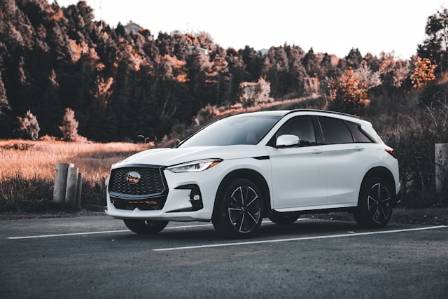
Let’s begin with the basics: SUV stands for “sport utility vehicle.” The term first appeared in 1974 in marketing for the Jeep Cherokee. By the 1980s, “SUV” had expanded to describe vehicles designed for off-road capability and generous cargo space. Today, SUVs represent one of the fastest-growing and most popular segments in the automotive world, available in a wide variety of sizes and specifications.
Nova Lane
Margin note
Reading tip
The full digest continues below among botanical margin notes.
Grove
Olive Digests
Let’s begin with the basics: SUV stands for “sport utility vehicle.” The term first appeared in 1974 in marketing for the Jeep Cherokee. By the 1980s, “SUV” had expanded to describe vehicles designed for off-road capability and generous cargo space. Today, SUVs represent one of the fastest-growing and most popular segments in the automotive world, available in a wide variety of sizes and specifications.
According to Cox Automotive, Americans purchased 15.5 million SUVs in 2023, accounting for 56.9% of total vehicle sales. This was up from 13.8 million units in 2022, a year affected by vehicle shortages. Through August 2024, SUV sales had already hit 10.5 million, or 58.4% of all vehicles sold.
The SUV boom is understandable—these vehicles offer spacious interiors, versatile cargo capacity, off-road capability, strong safety ratings, and towing power. Whether for family trips, commuting, or adventure, SUVs provide a wide range of benefits. Here’s what you should know when shopping for one.
Types of SUVs
All SUVs share two defining traits: their cargo area is inside the cabin, not in a separate trunk, and they feature a higher seating position than most cars. Beyond that, they vary widely: some are built for rugged trails and off-road use, while others focus on city driving or hauling gear. Prices range from entry-level SUVs in the low $20,000s to luxury models over $100,000.
SUVs are generally classified by size. Understanding these categories can help you identify which type best suits your lifestyle.
Subcompact SUVs
Example: Chevrolet Trailblazer
Subcompact SUVs are the smallest in the segment, sometimes called extra-small SUVs. They typically offer limited seating and cargo space but are taller than most small cars.
Pros: Easy to park and maneuver, lower cost, good fuel efficiency, car-like handling.
Cons: Limited cargo, small back seats, low towing capacity, not suited for off-roading.
Best for: City dwellers, singles, couples.
Price: Low $20,000s to high $30,000s; luxury variants can exceed $50,000.
Fuel economy: Around 28 mpg combined, some exceed 30 mpg.
Popular models: Chevrolet Trailblazer, Honda HR-V, Hyundai Venue, Subaru Crosstrek.
Drivetrain: Usually FWD, AWD optional, some models come standard AWD.
Compact SUVs
Example: Subaru Forester
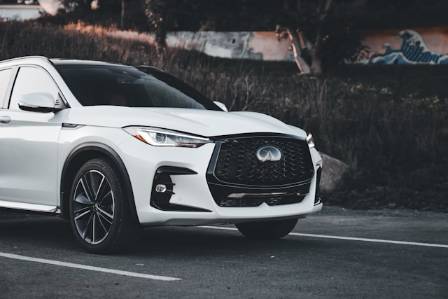
Also called small SUVs, compact SUVs are larger than subcompacts, providing more interior space while remaining efficient and easy to drive.
Pros: Car-like ride, more cargo room than subcompacts, fuel-efficient, good features.
Cons: Limited off-road ability, modest towing, back seats may be tight for three adults.
Best for: Families, suburban and city drivers.
Price: High $20,000s to high $30,000s; luxury models over $60,000.
Fuel economy: Around 28 mpg combined, some above 30 mpg.
Popular models: Honda CR-V, Toyota RAV4, Kia Sportage, Nissan Rogue, Chevrolet Trax.
Drivetrain: FWD or AWD, nearly all models offer AWD option.
Midsize SUVs
Example: Kia Telluride
Midsize SUVs balance power, passenger space, and cargo capacity. They come in two- or three-row configurations; third-row seating may be tight for adults. Some focus on comfort, others on towing or off-road capability.
Pros: Spacious interiors, stronger engines than smaller SUVs, plenty of safety features.
Cons: Lower fuel efficiency, larger size makes maneuvering harder, higher MSRP.
Best for: Larger families, people needing cargo and towing capacity.
Price: Mid $30,000s to over $50,000 for three-row models; luxury trims above $60,000.
Fuel economy: Around 22 mpg combined, some 25+ mpg.
Popular models: Jeep Grand Cherokee, Subaru Outback, Honda Pilot, Ford Explorer, Toyota Highlander.
Drivetrain: FWD, AWD, RWD, 4WD depending on model.
Full-Size SUVs
Example: Jeep Wagoneer
Full-size SUVs, or large SUVs, are among the rarest types due to high cost and poor fuel efficiency, but they serve specialized needs. Built like trucks, these vehicles offer maximum interior space, towing capability, and rugged power.
Pros: Huge passenger and cargo space, powerful engines, excellent towing, off-road capable.
Cons: Poor fuel economy, difficult to maneuver and park, high floor height, expensive.
Best for: Towing, large families, hauling heavy loads.
Price: High $40,000s to $100,000+ for luxury trims.
Fuel economy: Around 20 mpg combined, some 23+ mpg.
Popular models: Chevrolet Tahoe, Ford Expedition, GMC Yukon, Jeep Wagoneer.
Drivetrain: Mostly AWD and 4WD, some FWD or RWD.
Additional SUV Considerations
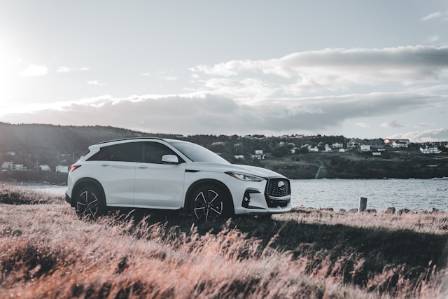
Within each size category, you’ll find a range from base models to luxury or high-performance SUVs. Buyers must also decide between gasoline, electric, hybrid, or plug-in hybrid powertrains, as well as whether a vehicle is a traditional SUV or a crossover, which can be confusing.
Cost factors: Price ranges widely, so plan your budget carefully. Include long-term costs like fuel, insurance, and maintenance. Tools like total cost of ownership calculators help estimate expenses.
If financing, compare lenders and interest rates, and consider getting preapproved. Ask dealerships if they can beat your preapproval rate. Check for manufacturer incentives or deals to save upfront.
How to Choose the Right SUV
Use online reviews, valuation tools (like Kelley Blue Book or Edmunds), owner feedback, and test drives to narrow down options. Decide on SUV type, size, price, performance, and features before shopping to save time and ensure you get the vehicle that meets your needs.
More along this branch
LEAF · en

Classic Cream Puffs with Chocolate Sauce
Growing up, my mom only made this dessert once, but it stayed with me for years. I can still remember the soft texture, the gentle egg flavor in a pleasant way, and the perfect harmony between sweetness and different layers of texture. Ever since then, I feel like I’ve been trying to recreate that exact cream puff experience.
LEAF · en

The Most Colorful Companions: Popular Orange and White Cat Breeds
Orange-and-white cats charm many households with their warm hues and distinctive personalities. This overview highlights several beloved breeds known for their orange and white coloration, plus a quick snapshot of their size, temperament, coat, and life expectancy. Whether you’re seeking a laid-back lap cat or an energetic little explorer, these fluffballs offer a range of charms.
LEAF · en

7 Most Stunning Atolls Around the World
Atolls are nature’s tropical masterpieces—rings of coral that originally grew around islands and continued building upwards as the land sank or eroded. Found only in warm tropical and subtropical waters, these formations feature turquoise lagoons, colorful reefs, and vibrant marine life, offering dreamy beaches and the ultimate Robinson Crusoe experience.
LEAF · en

Matcha Swiss Roll Cake
This matcha Swiss roll cake is a delightful treat featuring a light, airy sponge with a subtle earthy bitterness, paired with whipped mascarpone cream and fresh strawberries.
LEAF · en

Canton Tower: the Tallest TV Tower in China
Canton Tower, often nicknamed the “Little Waist” because of its unique slim shape, is the tallest television tower in China. The structure reaches a total height of 600 meters and contains 112 levels, including 111 floors above ground and one underground level.
LEAF · en

Macaron facts for children
A macaron (pronounced mah-kah-RON) is a delightful French pastry. It consists of a small, round confection crafted from egg white, powdered sugar, granulated sugar, and finely milled almond flour. Often, food coloring is added to achieve its vivid appearance.