Grove read
The amazing Cuckoo
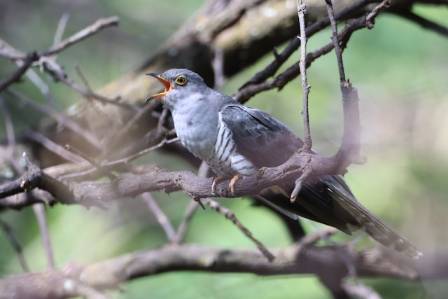
Most people can recognize the familiar sound of a Cuckoo calling, even if they have never actually seen the bird itself.
Mira Valentina
Margin note
Reading tip
The full digest continues below among botanical margin notes.
Grove
Olive Digests
Most people can recognize the familiar sound of a Cuckoo calling, even if they have never actually seen the bird itself.
However, many people do not know that only male Cuckoos produce the famous “cuck-oo” call. Wildlife expert and wilderness guide Jonathan Willet explores the fascinating life of this remarkable Scottish bird, revealing some of the secrets behind its behavior, nesting habits, and incredible migration.
Where Does the Cuckoo Get Its Name?
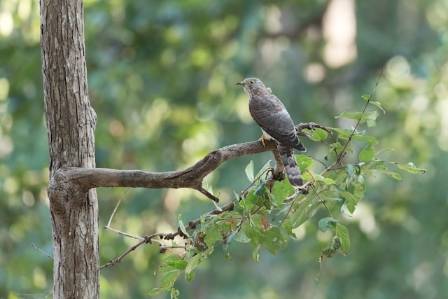
The Cuckoo is a well-known but surprisingly difficult bird to spot. It is roughly similar in size to a Collared Dove and has an appearance that can resemble a Sparrowhawk, a feature that plays an important role in its survival strategy.
Its scientific name, Cuculus canorus, translates to “the melodious Cuckoo,” a fitting description for a bird famous for its unmistakable song. Across many European languages, the bird’s name comes directly from the sound of its call.
In Scotland, however, the Cuckoo is also known as the “Gowk.” This unusual name was introduced by the Vikings and is still connected to another sound made by the bird. While the familiar “cuckoo” call belongs to males, females produce a different vocalization that sounds like a bubbling or chuckling noise, especially when a male is nearby.
Where Do Cuckoos Live and Nest?
The unusual nesting habits of Cuckoos have been known since ancient times. Even Aristotle observed that Cuckoos do not build their own nests but instead place their eggs in the nests of other birds.
In the United Kingdom, around 80% of Cuckoos lay their eggs in the nests of Meadow Pipits, Dunnocks, or Reed Warblers. In Scotland, Meadow Pipits are the main hosts chosen by female Cuckoos.
Rather than raising their own young, Cuckoos rely on these smaller birds to care for their chicks.
How Do Cuckoos Trick Other Birds?
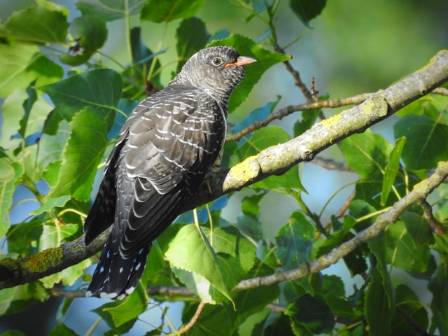
Cuckoos have developed a remarkable strategy for placing their eggs in other birds’ nests.
They arrive during the same period when many smaller birds are beginning to build nests and lay eggs. A female Cuckoo watches carefully from a nearby perch, searching for suitable nests.
When she wants to inspect a nest more closely, she flies around in a way that resembles a Sparrowhawk. This imitation of a bird of prey causes smaller birds to flee, allowing the Cuckoo to approach the nest safely.
Once she finds a suitable nest, the female quickly removes one of the existing eggs and eats it. She then replaces it with her own egg, which is often similar in appearance to the host bird’s eggs, making it less likely to be noticed.
The Cuckoo Chick’s Clever Survival Strategy
A Cuckoo egg develops slightly faster than many other bird eggs because it remains inside the female for about an extra day before being laid. This gives the embryo an advantage, and the Cuckoo chick often hatches before the other eggs in the nest.
Soon after hatching, the young Cuckoo begins removing its nest companions. It climbs beneath the other eggs and uses a special hollow in its back, along with its wings and legs, to push them out of the nest.
If other chicks have already hatched, they may suffer the same fate.
By eliminating competition, the young Cuckoo becomes the only chick receiving food from its much smaller foster parents. Eventually, tiny Meadow Pipits may find themselves feeding a chick many times larger than themselves.
Despite the strange situation, the parent birds usually accept the Cuckoo chick as their own and continue caring for it.
One summer, observers witnessed several Meadow Pipits attacking a Cuckoo perched on a telephone wire, yet the same parents continued feeding the young bird afterward. Their behavior showed both confusion and strong parental instinct.
Where Do Cuckoos Travel?
One of the most extraordinary things about Cuckoos is their incredible migration journey.
Although their diet is interesting—they often eat hairy caterpillars that many other birds avoid—their long-distance travels are even more impressive.
Adult Cuckoos leave for Africa around late June or July, but young birds begin their own migration afterward. Remarkably, these juvenile birds travel south to central Africa without guidance from their parents, who have already departed.
How these young birds know exactly where to go remains one of the great mysteries of bird migration.
Their ability to complete such a difficult journey alone demonstrates the extraordinary instincts and adaptations of this remarkable species.
More along this branch
LEAF · en
Top 11 Health Benefits of Kiwi Fruit
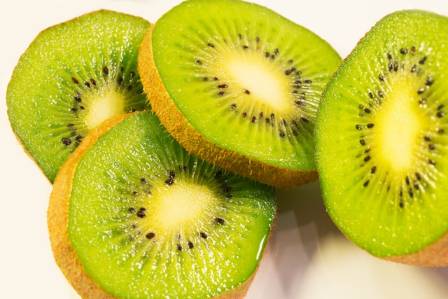
Kiwi fruit are small, plum-sized berries with fuzzy brown skin, bright green (or less common golden) flesh, and tiny black seeds, produced by woody vines of the Actinidia species. While most people only eat the flesh, the edible skin is growing in popularity for its extra nutritional value. These vibrant fruits pack a powerful punch of nutrients and phytochemicals, making them a standout addition to a healthy diet—whether enjoyed on their own, in smoothies, or as part of savory and sweet recipes.
LEAF · en

What Holds the Title of Earth's Farthest Spacecraft?
Which spacecraft currently claims the title of Earth's most distant artificial object? The answer is Voyager 1. As of April 2023, this spacecraft is positioned more than 14 billion miles (23 billion km) away from Earth. Launched just 16 days apart in 1977, Voyager 1 and its twin, Voyager 2, embarked on a remarkable journey, flying by Jupiter and Saturn. Voyager 2 extended its trajectory to include encounters with Uranus and Neptune. Both Voyagers are now venturing into the vast expanse between stars.
LEAF · en

7 Fascinating Facts About the Equitable Life Building – The World’s First Skyscraper
New York City is celebrated for its skyline, but the modern era of tall buildings began with one bold experiment: the Equitable Life Building, finished in 1870. Often regarded as the first true skyscraper, it stood only eight stories tall, yet its innovations forever changed architecture.
LEAF · en
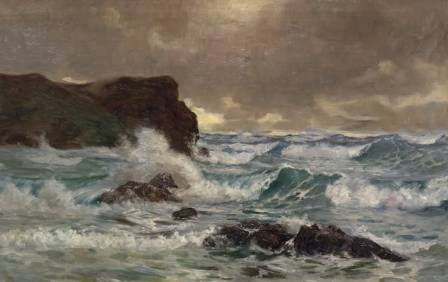
Simple Ocean Drawing Guide: Creating an Easy Pencil Seascape
Mastering the depiction of ocean waves is a rewarding and calming experience for any burgeoning artist. By following a structured approach, you can transform a blank page into a realistic maritime scene using basic graphite techniques. This introductory lesson focuses on the fundamental shapes of water and the play of light on the sea's surface, proving that complex seascapes can be simplified into manageable steps.
LEAF · en
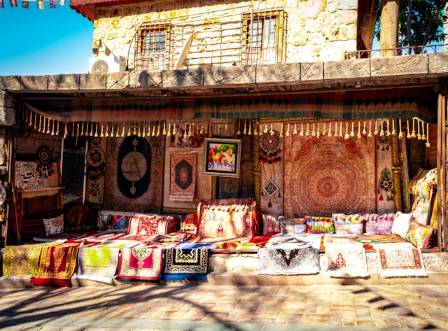
Elegant Woven Textiles are Returning to Modern Interior Decoration
Large fabric wall hangings are experiencing a major revival in contemporary home decoration. These woven pieces offer an abundance of history, rich color depth, and physical texture, making a room feel significantly warmer and more intimate than standard glass-framed artwork. Homeowners are turning to these fabric decorations to create spaces that feel carefully curated and welcoming. When integrated thoughtfully, these textiles act as stunning statement art, introducing dimension and character that flat interior paint or modern paper prints simply cannot replicate. However, successfully decorating with large fabric panels requires a strategic approach to prevent the space from looking old-fashioned.
LEAF · en

Osaka Castle: A Journey Through Four Centuries of Japan’s Turbulent Past
Osaka Castle stands as an enduring icon of Japan’s feudal heritage, its walls and towers bearing witness to over 400 years of conflict, reconstruction, and cultural transformation. Commissioned in 1583 by the legendary warlord Toyotomi Hideyoshi, this grand fortress has weathered sieges, fires, and the winds of modernization, yet remains a powerful symbol of Japan’s resilience and historical depth. From its origins as a monument to unification to its current role as a cherished cultural hub, Osaka Castle’s story is deeply intertwined with Japan’s evolution into the nation it is today. Let’s explore the rich and complex history of this remarkable structure.