Top 11 Health Benefits of Kiwi Fruit

Grove read

Top 11 Health Benefits of Kiwi Fruit

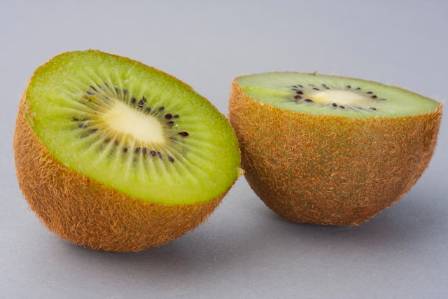
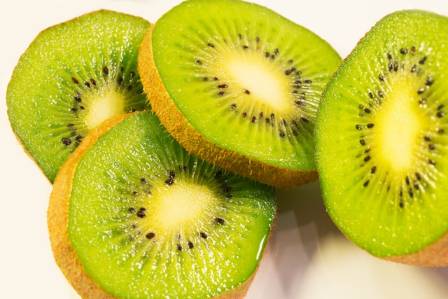
Kiwi fruit are small, plum-sized berries with fuzzy brown skin, bright green (or less common golden) flesh, and tiny black seeds, produced by woody vines of the Actinidia species. While most people only eat the flesh, the edible skin is growing in popularity for its extra nutritional value. These vibrant fruits pack a powerful punch of nutrients and phytochemicals, making them a standout addition to a healthy diet—whether enjoyed on their own, in smoothies, or as part of savory and sweet recipes.

E

Ethan

Margin note

Reading tip

The full digest continues below among botanical margin notes.

Grove

Olive Digests


Introduction to Kiwi Fruit

Kiwi fruit are small, plum-sized berries with fuzzy brown skin, bright green (or less common golden) flesh, and tiny black seeds, produced by woody vines of the Actinidia species. While most people only eat the flesh, the edible skin is growing in popularity for its extra nutritional value. These vibrant fruits pack a powerful punch of nutrients and phytochemicals, making them a standout addition to a healthy diet—whether enjoyed on their own, in smoothies, or as part of savory and sweet recipes.

Nutritional Profile of Kiwi Fruit (Peeled)

One medium 80g kiwi fruit provides 39kcal/166kJ, 0.9g protein, 0.4g fat, 8.5g carbohydrate (8.2g sugars), 2.0g fibre, 232mg potassium, and 47mg vitamin C. This serving size counts as one of your 5-a-day, contributing to the recommended intake of fruits and vegetables for overall health. The combination of low calories, high fibre, and essential vitamins and minerals makes kiwi a nutrient-dense choice for any diet.

Can You Eat Kiwi Skin?

Despite its thick, fuzzy appearance, kiwi skin is not only edible but also highly nutritious. Rich in fibre—vital for gut health—it is particularly high in vitamins C and E, as most antioxidant vitamins in fruits are concentrated in the skin and the layer just beneath it. These antioxidants help protect the body’s cells and tissues from oxidative damage. A study on SunGold kiwi fruit found that eating the whole fruit (including the skin) increased intake of fibre by 50%, vitamin E by 32%, and folate by 34%, highlighting its nutritional benefits.

Top 11 Health Benefits of Kiwi Fruit

1.Rich in Protective Antioxidants

Kiwi fruit are loaded with nutrients and phytochemicals that exhibit strong antioxidant properties. These compounds reduce oxidative damage in the body, which may lower the risk of chronic diseases such as heart disease, type 2 diabetes, and obesity by neutralizing harmful free radicals.

2.Useful Source of Fibre

A single 80g kiwi provides 2.0g of both soluble and insoluble fibre. Dietary fibre supports digestion and gut health, regulates blood sugar and cholesterol levels, promotes satiety, and may reduce the risk of heart disease, stroke, type 2 diabetes, and certain cancers.

3.May Support the Immune System

Exceptionally rich in immune-boosting nutrients—including vitamins C, E, K, folate, carotenoids, fibre, and plant chemicals—kiwi fruit have been shown to support the immune system. Studies suggest they may reduce the incidence and severity of colds and flu-like symptoms, particularly in vulnerable groups like older adults and children.

4.May Alleviate Asthma Symptoms

Thanks to their high vitamin C content and other antioxidant nutrients, regular consumption of kiwi fruit may help ease some symptoms of asthma. Antioxidants play a role in reducing inflammation in the airways, which can benefit those with respiratory conditions.

5.May Support Healthy Blood Pressure

Including kiwi fruit in a balanced diet may benefit heart and cardiovascular health by helping manage blood pressure. This is partly due to kiwi’s ability to reduce angiotensin-converting enzyme (which affects blood vessel constriction) and its high potassium content, which eases blood vessel tension and counteracts sodium’s effects.

6.May Promote Cholesterol Balance

Kiwi consumption has been linked to positive effects on blood lipid levels, especially in individuals with high cholesterol. Research indicates that eating two kiwi fruit per day may increase HDL-cholesterol ("good" cholesterol) while potentially decreasing triglycerides and LDL-cholesterol ("bad" cholesterol), as well as improving the ratio of total cholesterol to HDL-cholesterol—an important marker of heart health.

7.May Aid Protein Digestion

Kiwi fruit contain actinidin, an enzyme that facilitates protein breakdown. This helps the body more efficiently digest protein-rich foods like meat and fish, making kiwi a valuable ingredient in recipes where tenderizing meat is desired.

8.May Promote Restful Sleep

For those struggling with sleep issues, eating a couple of kiwi fruit one hour before bedtime may help. A study reported that kiwi consumption improved sleep onset, duration, and efficiency in adults with self-reported sleep problems, likely due to its combination of nutrients that support relaxation and sleep regulation.

9.May Support Eye Health

As we age, vision naturally deteriorates, but nutrients like lutein and zeaxanthin—carotenoids that protect against macular degeneration and cataracts—can help. Kiwi fruit are a useful source of both carotenoids, supporting long-term eye health.

10.May Alleviate Constipation

The unique combination of soluble and insoluble fibre, protective plant compounds, and actinidin in kiwi fruit offers digestive benefits. It improves digestive transit and reduces bloating, particularly for those with constipation-predominant irritable bowel syndrome (IBS) and healthy individuals experiencing constipation. Additionally, kiwi are certified low FODMAP (low in fructose and fructans), making them suitable for those following a low FODMAP diet.

11.Low Glycaemic Index (GI)

Green-fleshed kiwi fruit have a GI value of 39, while yellow-fleshed varieties are slightly higher at 48—both falling in the low GI category (<55). Combined with their low carbohydrate content, kiwi fruit are an excellent choice for those managing blood sugar levels or following a keto diet.

Safety Considerations

Kiwi fruit are allergenic, with most reactions being mild, though severe cases have been reported. Individuals allergic to hazelnuts, avocados, figs, pollen, or latex may experience cross-reactions. Additionally, those taking blood pressure medication or anti-coagulants should note that regular kiwi consumption may enhance the effects of these drugs. If you have allergies or are on prescribed medication, consult a GP or healthcare provider before increasing kiwi intake.

Are Kiwi Fruit Good for You? (Conclusion)

Yes, kiwi fruit offer numerous health benefits, whether eaten with or without the skin. From supporting heart health and boosting the immune system to aiding digestion and promoting restful sleep, they are a nutrient-dense addition to any diet. Their actinidin content helps digest protein, and their low GI and FODMAP status make them suitable for various dietary needs. While they are allergenic, most people can enjoy them safely, reaping the rewards of their vibrant nutrition.

More along this branch

LF

LEAF · en

Large-Scale Living Murals: The Sustainable Beauty of Rice Paddy Art

Large-Scale Living Murals: The Sustainable Beauty of Rice Paddy Art

Agricultural artistry, famously known in Japan as tanbo art, involves the meticulous planting of various colored rice strains to produce massive, intricate images within farmland. While roots of this practice can be traced back to the Edo period (1603–1868), it saw a significant resurgence and surge in global popularity during the 20th century. This unique intersection of farming and creativity serves as a vivid tribute to the natural world.

LF

LEAF · en

The 4 Seasons: Nature's Annual Cycle Explained

The 4 Seasons: Nature's Annual Cycle Explained

The four seasons — spring, summer, autumn (fall), and winter — are distinct periods of the year that encompass unique weather patterns and varying lengths of daylight. These cycles profoundly affect our environment, shaping the natural world and influencing human activities. Let's delve into each season's characteristics and the fascinating reasons behind their phenomena.

LF

LEAF · en

The 10 Longest-Lasting Trucks You Can Buy

The 10 Longest-Lasting Trucks You Can Buy

Maximum towing capacity, payload capacity, horsepower, torque, and ground clearance — these are just a few of the metrics truck buyers often prioritize. But one crucial factor that’s harder to measure is reliability.

LF

LEAF · en

Stunning Homes Built Into Cliffs

Stunning Homes Built Into Cliffs

For anyone who suffers from a fear of heights, it is easy to understand why cliffside homes might seem like the last place they would want to live. Fortunately, a new book published by Lannoo Publishers allows readers to explore some of these extraordinary properties from a safe distance. Written by Agata Toromanoff, In Living on the Edge: Houses on Cliffs examines more than 40 homes and structures built in locations that many people would consider impossible or unsuitable for construction.

LF

LEAF · en

7 Fascinating Facts About the Equitable Life Building – The World’s First Skyscraper

7 Fascinating Facts About the Equitable Life Building – The World’s First Skyscraper

New York City is celebrated for its skyline, but the modern era of tall buildings began with one bold experiment: the Equitable Life Building, finished in 1870. Often regarded as the first true skyscraper, it stood only eight stories tall, yet its innovations forever changed architecture.

LF

LEAF · en

Fun Facts About The San Remo Luxury Apartment Building in NYC

Fun Facts About The San Remo Luxury Apartment Building in NYC

As the first historic residential building in New York City to feature twin towers, The San Remo has long dominated the skyline of Central Park West with its unmistakable silhouette. This 27-story luxury cooperative apartment building was designed by renowned architect Emery Roth and stands between West 74th and West 75th Streets, offering residents spectacular views of Central Park from its soaring towers.