Grove read
Things You Need To Know About Growing Verbena Bonariensis
If there is one plant that seems to blend effortlessly with almost any garden style, it would have to be Verbena bonariensis. And if you are not familiar with this plant, that is actually part of its charm.
Madison Taylor
Margin note
Reading tip
The full digest continues below among botanical margin notes.
Grove
Olive Digests
If there is one plant that seems to blend effortlessly with almost any garden style, it would have to be Verbena bonariensis. And if you are not familiar with this plant, that is actually part of its charm.
You may have already encountered it without realizing it. It appears in urban landscapes, cottage-style gardens, meadow plantings, pollinator spaces, flower borders, and even small patio gardens. Although it is widely used, it has a special ability to support other plants rather than compete with them.
I hope to persuade more gardeners to add this elegant plant to their own outdoor spaces. Even if you are not convinced immediately, there is one thing that will happen after learning about it: you will start recognizing Verbena bonariensis wherever you go.
Before exploring its qualities, it is important to understand exactly which “verbena” we are discussing.
Different Plants Commonly Called Verbena
The English name “verbena” can refer to several different plants, which often causes confusion.
The first is lemon verbena (Aloysia citriodora), a fragrant herb commonly used in herbal teas because of its refreshing citrus scent.
The second is common vervain (Verbena officinalis), a perennial herb native to Europe. It produces tiny purple flowers along thin flower spikes. Although it has traditional herbal uses, it is rarely grown as an ornamental plant because its appearance is not especially showy.
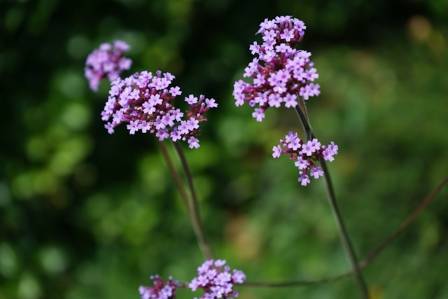
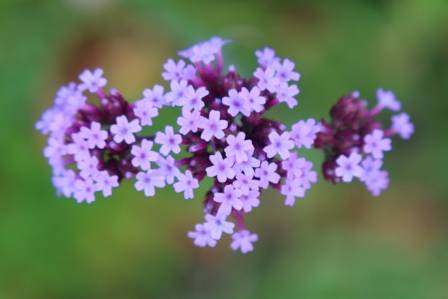
The third is purpletop verbena (Verbena bonariensis), the plant that is the focus of this article. It is easily recognized by its tall, slender stems, narrow leaves, and clusters of vivid purple flowers floating above the foliage.
This graceful, airy plant is the true star of the garden.
Verbena bonariensis Can Be Annual or Perennial
Verbena bonariensis originates from South America, especially regions of Brazil and Argentina. Over time, it has also become naturalized in some warmer areas of the United States.
Depending on the gardening reference you consult, it may be described as either an annual or a perennial. In reality, it fits somewhere between the two and is best considered a tender perennial. It can survive winters in USDA zones 6 through 11, while in colder regions it is usually grown as an annual.
In areas with milder winters, it may return year after year. Local growing conditions also play an important role. A plant growing beside a warm brick wall or in a sheltered corner may survive temperatures that would normally be too cold.
Adding a thick layer of mulch in autumn can also improve its chances of making it through winter.
Verbena bonariensis Is Easy to Grow
Because it comes from warmer regions, Verbena bonariensis naturally prefers full sun. However, it is surprisingly adaptable and does not immediately struggle if conditions are less than perfect.
This plant handles hot summer weather well and can also tolerate cooler autumn temperatures. It does not require especially fertile soil and performs well in many soil types as long as drainage is good.
Its drought tolerance is one of its greatest strengths. During periods of dry weather, Verbena bonariensis often continues growing while many other ornamental plants begin showing stress.
It generally does not need regular fertilizing and is rarely bothered by common garden problems. Deer and slugs usually leave it alone, and pests such as aphids and scale insects are not major concerns.
Occasionally, the plant may develop mildew during periods of cool, damp weather, but because the leaves are small and narrow, the problem is usually barely noticeable.
Verbena bonariensis Works Well in Many Garden Styles
Although many gardeners do not consider themselves designers, choosing plant combinations and locations always involves some element of garden design. Verbena bonariensis is one of the easiest plants to incorporate into different landscapes.
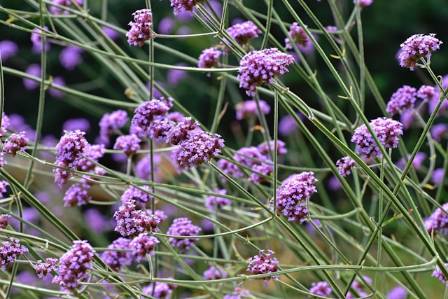
Its open, airy growth habit creates a beautiful see-through effect. Instead of forming a dense barrier, its tall stems add height while allowing surrounding plants to remain visible.
Most varieties grow between about 24 inches (60 cm) and 48 inches (1.2 meters) tall, making them ideal for adding vertical interest to borders and flower beds.
When planted along fences, walls, or narrow garden spaces, the tall stems create a sense of depth. The bright purple flowers stand out beautifully against many backgrounds, including brick, stone, and light-colored walls.
Another appealing feature is the movement it brings to the garden. When the wind passes through the delicate stems, the flowers sway gently like waves across water, adding life and motion to the landscape.
You Usually Only Need to Buy Verbena Once
One of the most convenient qualities of Verbena bonariensis is its ability to reseed itself. Whether this is a benefit or a drawback depends on your gardening style.
Starting it from seed is simple. If you want flowers earlier in the season, seeds can be started indoors several weeks before planting outdoors.
Collecting seeds can be slightly challenging because the tiny seeds are mixed with similar-looking plant material. The seeds are brown while the surrounding chaff is lighter in color, but separating them can be time-consuming. Many gardeners simply store and sow them together.
Fortunately, this process is usually only necessary the first time you introduce the plant into your garden. After that, Verbena bonariensis commonly produces new plants on its own.
Unlike aggressive self-seeding plants that spread everywhere, this verbena is generally well-behaved. In many gardens, new seedlings appear close to the original planting area rather than invading lawns, paths, or cracks in pavement.
It is a gentle reseeder that adds more plants without becoming a nuisance.
Managing Verbena Seed Heads
Leaving dried seed heads on perennial plants through winter can provide food for birds, and Verbena bonariensis seeds are enjoyed by some small garden visitors during colder months.
However, if your garden already contains enough plants, you can remove the faded flower heads after blooming finishes but before the seeds mature and spread.
Whether you allow it to self-seed or control its growth, Verbena bonariensis remains one of the most versatile, low-maintenance, and attractive plants you can add to a garden. Its delicate flowers, easy care requirements, and ability to complement nearly every planting style make it a favorite among gardeners around the world.
More along this branch
LEAF · en
Twilight Waves
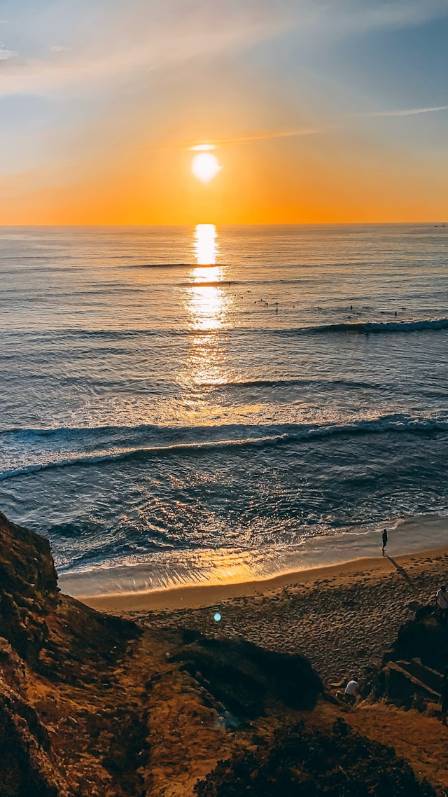
There’s something universally calming about the ocean at sunset. When the sun begins its slow descent, casting gold and amber hues across the sea’s surface, travelers pause. Whether it’s your first beach getaway or your tenth, twilight over the water delivers a kind of quiet magic that defines the perfect ending to a coastal day. Here’s how to make the most of those twilight waves—whether you’re planning a honeymoon, a weekend break, or just craving that golden-hour glow.
LEAF · en
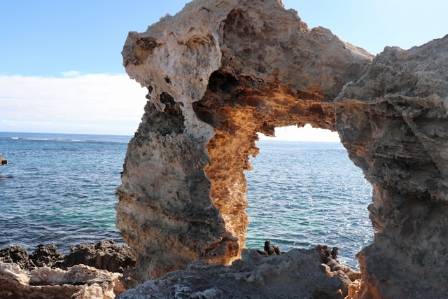
Largest Natural Arches in the World
A natural arch is a geological structure created when cliffs or rock formations are gradually worn away by erosion caused by ocean waves, rivers, wind, rain, or other natural forces. In some cases, water continues to flow beneath the opening, and the formation is referred to as a natural bridge. However, the difference between a natural arch and a natural bridge is not always clearly defined. The Natural Arch and Bridge Society considers a bridge to be a type of arch mainly shaped by flowing water, while geological references often describe a natural bridge as an arch that crosses an eroded valley.
LEAF · en
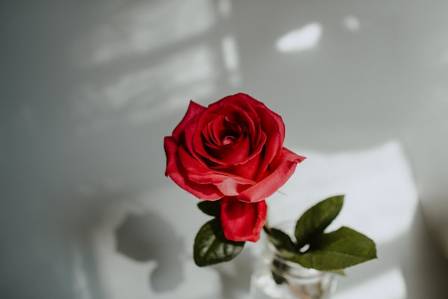
Most Beautiful Flowers 15 of the Most Beautiful Flowers in the World
“Flowers are a proud assertion that a ray of beauty outvalues all the utilities in the world.” – Ralph Waldo Emerson Flowers, with their diverse forms and vibrant colors, immediately stir a warm emotional connection and evoke admiration for beauty. They have inspired art, literature, music, and poetry, and have held significant roles in various cultures and religions around the world. But why do flowers hold such power over the human heart?
LEAF · en

Understanding What a Latte Is
A latte is one of the most popular coffee drinks in the world, known for its smooth, mild flavor and creamy texture. Coffee itself is incredibly versatile, with many different preparation styles that highlight different aspects of the coffee bean.
LEAF · en

Is a Red Panda a Bear?
September 19 marks International Red Panda Day, a special occasion to celebrate one of the world’s most charming and unusual mammals. Whether you call them red pandas, firefoxes, red bear-cats, lesser pandas, first pandas, or simply “the other pandas,” these fluffy creatures are full of fascinating secrets.
LEAF · en

Sushi: Nutritious or Not?
Sushi is often praised for its nutritional value, offering a variety of health benefits. Yet, it’s not without concerns—especially when considering sodium levels, potential contaminants, and mercury exposure. Let's explore its health implications in detail.