Grove read
10 Famous Animal Paintings by World-Renowned Artists
Animals have long been a central theme in art, symbolizing everything from strength and elegance to innocence and mystery. From ancient cave paintings to contemporary works, artists have been captivated by the beauty and meaning of the animal world. This article highlights ten of the most famous animal paintings by internationally acclaimed artists, each offering a distinct perspective on the connection between humans, animals, and nature.
Seraphina Vale
Margin note
Reading tip
The full digest continues below among botanical margin notes.
Grove
Olive Digests
Animals have long been a central theme in art, symbolizing everything from strength and elegance to innocence and mystery. From ancient cave paintings to contemporary works, artists have been captivated by the beauty and meaning of the animal world. This article highlights ten of the most famous animal paintings by internationally acclaimed artists, each offering a distinct perspective on the connection between humans, animals, and nature.
1. "The Goldfinch" by Carel Fabritius (1654)
Carel Fabritius, a Dutch Golden Age painter and student of Rembrandt, created this delicate painting of a chained goldfinch perched on a feeder. The bird’s intricate feathers and lifelike gaze demonstrate Fabritius’s skill with light and texture. Often interpreted as a symbol of captivity and resilience, the work gained added poignancy after the artist died in the Delft gunpowder explosion shortly afterward.
2. "Whistlejacket" by George Stubbs (1762)
English artist George Stubbs, celebrated for his equine portraits, painted Whistlejacket, a racehorse, in life-sized detail. Stubbs’s precise understanding of horse anatomy is evident in the musculature and dynamic pose. The plain background emphasizes the horse’s majesty, making this painting a benchmark of equine art. It is now displayed at the National Gallery, London.
3. "The Horse Fair" by Rosa Bonheur (1853-1855)
French realist painter Rosa Bonheur depicted the lively horse market of Paris with extraordinary attention to detail. Her portrayal captures the energy and strength of the horses and their handlers. Bonheur’s determination to study horses up close, even obtaining permission to wear men’s clothing, challenged social norms and cemented her status as a pioneering female artist. The painting is part of the Metropolitan Museum of Art’s collection.
4. "The Sleeping Gypsy" by Henri Rousseau (1897)
Self-taught French post-impressionist Henri Rousseau created this dreamlike painting of a lion observing a sleeping gypsy under the moonlight. Rousseau’s bold colors and simplified forms lend a surreal quality to the scene, exploring harmony between humans and animals and the enigmatic aspects of nature. The work is housed in the Museum of Modern Art (MoMA) in New York.
5. "Dogs Playing Poker" by Cassius Marcellus Coolidge (1894-1910)
American artist Cassius Marcellus Coolidge is known for his humorous depictions of anthropomorphized dogs. His series "Dogs Playing Poker" features 18 paintings, the most famous being “A Friend in Need,” where one dog covertly passes an ace to another. Originally created for advertisements, the series has become a cultural icon representing humor and nostalgia.
6. "The Young Bull" by Paulus Potter (1647)
Dutch Baroque painter Paulus Potter specialized in animals, and his life-sized depiction of a bull with other farm animals is renowned for realism. Potter’s skill in capturing fur texture and light play was groundbreaking, reflecting the Dutch Golden Age fascination with rural life. The painting is housed in the Mauritshuis Museum in The Hague.
7. "The Rhinoceros" by Albrecht Dürer (1515)
German Renaissance artist Albrecht Dürer created this famous woodcut of a rhinoceros based on a written description and sketch, as he had never seen the animal. Despite anatomical inaccuracies, the intricate and imaginative design captured European audiences’ fascination with exotic creatures during the Age of Exploration and inspired countless reproductions.
8. "The Foxes" by Franz Marc (1913)
German Expressionist Franz Marc, co-founder of the Blue Rider movement, painted a group of foxes in a stylized, abstract setting. His use of vibrant colors and geometric forms conveyed the spiritual qualities he attributed to animals, symbolizing purity and harmony in contrast to human corruption. Marc’s work remains influential despite his early death during World War I.
9. "The Monarch of the Glen" by Sir Edwin Landseer (1851)
British painter and sculptor Sir Edwin Landseer portrayed a majestic stag on a misty Scottish hillside, creating an enduring symbol of the romanticized Highlands. The painting conveys the nobility and wildness of the stag, captivating Victorian audiences with themes of nature and heroism. It is one of the most recognizable animal paintings worldwide.
10. "Guernica" by Pablo Picasso (1937)
While not exclusively an animal painting, Pablo Picasso’s "Guernica" includes striking imagery of a bull and horse, central to its anti-war message. The bull represents brutality, and the horse symbolizes the suffering of innocents. Picasso’s use of Cubist techniques intensifies the emotional impact, making this one of the 20th century’s most important political artworks.
Conclusion
These ten renowned animal paintings showcase the lasting fascination artists have with the animal world. From the realism of Stubbs and Bonheur to the symbolic and abstract expressions of Marc and Picasso, each work offers a distinct lens on the beauty, power, and mystery of animals. These masterpieces celebrate nature while reflecting the cultural, social, and philosophical concerns of their eras, ensuring their place in art history for generations.
More along this branch
LEAF · en
What Holds the Title of Earth's Farthest Spacecraft?
Which spacecraft currently claims the title of Earth's most distant artificial object? The answer is Voyager 1. As of April 2023, this spacecraft is positioned more than 14 billion miles (23 billion km) away from Earth. Launched just 16 days apart in 1977, Voyager 1 and its twin, Voyager 2, embarked on a remarkable journey, flying by Jupiter and Saturn. Voyager 2 extended its trajectory to include encounters with Uranus and Neptune. Both Voyagers are now venturing into the vast expanse between stars.
LEAF · en
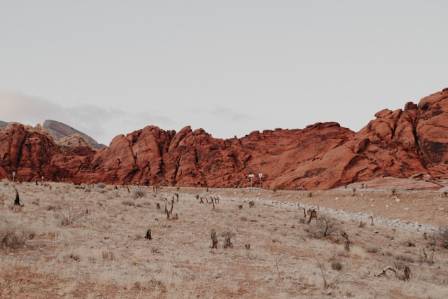
The 5 Largest Deserts Across the Globe
When contemplating deserts worldwide, our minds often conjure images of expansive sandy dunes and the struggle for survival in scorching heat. However, it's essential to recognize that subtropical deserts, like the one portrayed earlier, represent only a single category. Let's delve into the details of the world's five largest deserts, exploring their differences in temperature, location, and more.
LEAF · en

The Most Innovative Smartphones of 2023
2023 has been a year of unexpected innovations in the smartphone industry. While it might seem like smartphones have reached a plateau, some devices have broken the mold, offering exciting new features and designs. These standout phones remind us that there’s still room for creativity and innovation in the smartphone world.
LEAF · en
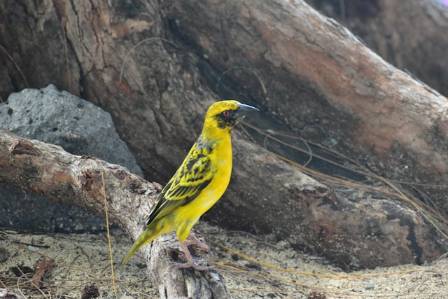
Himalayan Finch: A Tiny Bird of the High Mountains
This small finch measures approximately 14–15 cm in length. It has a short, compact bill and a tail that forms a noticeable fork at the tip.
LEAF · en

6 Ways to Engage in Playtime Activities with Your Baby
Playtime is crucial for your baby's development, offering opportunities for growth and learning. You don't need expensive toys to stimulate your baby's play; simple items like soft balls, blocks, and pillows can provide endless entertainment while promoting physical and cognitive development.
LEAF · en
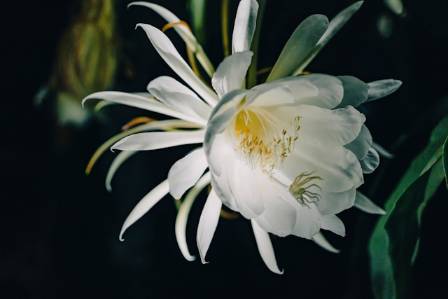
Epiphyllum, Queen of the Night
As someone who enjoys collecting unique plants, I am constantly searching for green companions that bring something special to my indoor garden. Plants with unusual growth patterns and impressive flowers always catch my attention. Epiphytic plants are among my favorites because they are full of surprises. Unlike terrestrial plants that grow in soil, epiphytes naturally grow on other plants without taking nutrients from their hosts.