Grove read
The Stoat – A “Furry Venomous Snake”
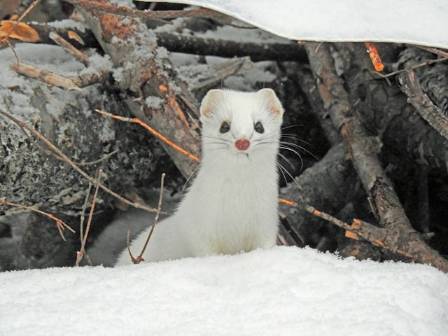
Among the various animal remains preserved in magical object collections, there are several heads and dried bodies of stoats (Mustela erminea, known as “kärppä” in Finnish). While it is easy to understand why large and powerful animals, such as bears, were considered valuable in traditional magic, the reason a small predator like the stoat was viewed as meaningful may seem less obvious.
Kayla Jenkins
Margin note
Reading tip
The full digest continues below among botanical margin notes.
Grove
Olive Digests
Among the various animal remains preserved in magical object collections, there are several heads and dried bodies of stoats (Mustela erminea, known as “kärppä” in Finnish). While it is easy to understand why large and powerful animals, such as bears, were considered valuable in traditional magic, the reason a small predator like the stoat was viewed as meaningful may seem less obvious.
To better understand its importance, it is necessary to examine how the stoat was portrayed in folklore and how people historically understood its connection with humans, animals, and magical practices.
The Stoat as a Mysterious and Powerful Animal
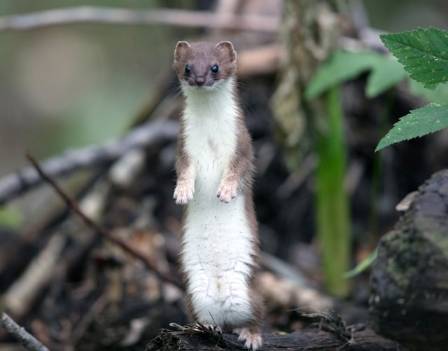
The stoat, also called ermine or short-tailed weasel, is a fast and agile predator that mainly hunts small rodents. Despite its small size, it was often believed to possess unusual abilities and hidden powers.
One widespread belief was that stoats were poisonous or carried a dangerous substance. This idea is very old and can be traced back to writings by the Roman naturalist Pliny the Elder during the first century CE.
Finnish folklore also contains stories describing the stoat as a harmful creature. People sometimes believed that it could attack livestock, bite animals, and even drink the blood of cattle or wild elk. However, in a seemingly contradictory belief, the same rodent-hunting animal was occasionally viewed as a helpful guardian spirit of the cattle shed.
Connections Between Stoats, Snakes, and Magical Power
The unusual appearance and movement of the stoat may have contributed to these beliefs. Its quick movements, short legs, and long body shape resemble those of a snake, which may have encouraged people to associate it with venom and supernatural abilities.
Snakes, especially grass snakes, were also sometimes considered animal forms of protective spirits connected with cattle. These creatures were likely often found near barns and animal shelters because rodents, their main source of food, gathered there.
Another small animal associated with magical beliefs was the cat. In Finnish folklore, cats were also sometimes believed to possess poisonous qualities. These examples show a broader connection between ideas of poison, hidden forces, and magical strength in traditional beliefs.
The Stoat’s Role in Horse Healing Practices
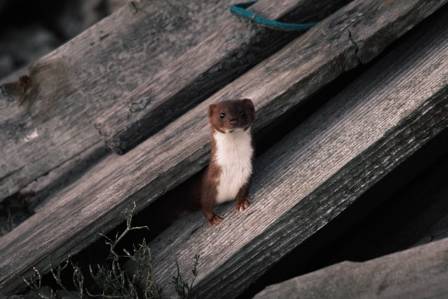
Folklore records describing magical uses of the stoat frequently connect the animal with the protection and treatment of horses.
People believed that keeping a stoat carcass inside a stable could help keep horses healthy. It was also believed that feeding a newborn foal a small piece of stoat meat would protect the young animal and help it grow strong (SKMT IV, 1: I 100; III 696).
This association with horses can also be seen in museum collections containing stoat remains. Many preserved stoats were used as remedies against strangles, a serious disease affecting horses.
One stoat carcass preserved at the Tampere Museums was purchased from three traditional rune singers in 1908. According to its history, it had been used to treat both horses and humans. Small pieces of the dried carcass were mixed into food and given to those who needed treatment.
Interestingly, the sellers emphasized that no magical words or spoken spells were required for the remedy, stating that “the power is gained without chants.” This suggests that the object itself was believed to naturally contain healing energy.
Why Was the Stoat Considered Powerful?
This brief exploration of regional folklore reveals that the stoat was regarded as an animal with remarkable supernatural abilities.
The exact reason for its connection with horse health remains uncertain. One possibility is that people hoped the stoat’s extraordinary speed, agility, and vitality could somehow be transferred to horses.
Another explanation may exist within forgotten layers of traditional belief that are no longer fully understood today. The stoat’s place in folk magic reflects the way people historically viewed even small animals as carriers of mysterious forces and important connections between nature, health, and the spiritual world.
More along this branch
LEAF · en
How and Why to Take Up Winter Hiking
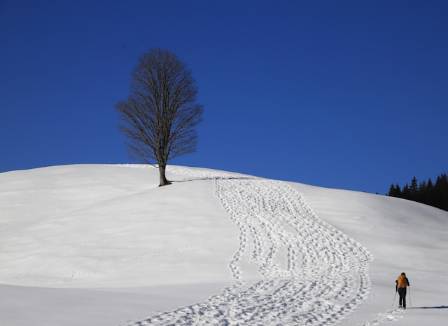
All products and listings featured on Condé Nast Traveler are chosen independently by our editors. However, we may receive payment from retailers and/or from purchases made through these links. Winter hiking brings a strange, haunting quiet. On a freezing March day, as I climbed the Devil’s Path trail in New York’s Catskills, the only sounds I could hear were my own breath and the muffled crunch of my snowshoes on the lightly packed trail. There was no sign of other living things within earshot.
LEAF · en

The Largest Ferris Wheels in the World
Ferris wheels have evolved far beyond traditional amusement rides. Today’s giant observation wheels combine engineering innovation, panoramic views, and luxury experiences, becoming iconic landmarks in cities around the world. Here are some of the tallest and most impressive Ferris wheels currently operating globally.
LEAF · en
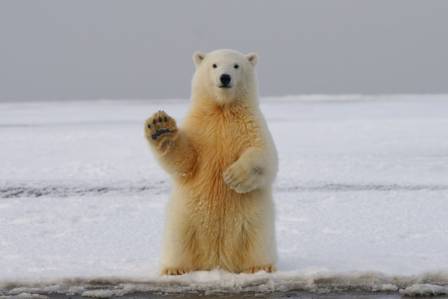
Polar Bears: Giants of the Arctic
Polar bears (Ursus maritimus) are close relatives of brown bears but have evolved to thrive in snowy, icy habitats, inhabiting some of the coldest regions in North America. Their black skin helps absorb heat from the sun, while their thick, white fur provides insulation, repels water, and offers camouflage against the snow and ice. Large, webbed paws make them exceptional swimmers, allowing them to navigate the Arctic waters with ease.
LEAF · en

The Forbidden City: A Reimagined Overview
The Forbidden City, also known as Zijincheng (in Pinyin) or Tzu-chin ch’eng (in Wade-Giles), is the grand imperial palace complex situated in the center of Beijing, China. Built on the orders of the Yongle Emperor of the Ming dynasty beginning in 1406, it was first occupied by the royal court in 1420.
LEAF · en

The Anchor Point: Mastering King-Size Bed Styling for Every Aesthetic
In the realm of interior design, the king-size bed is more than furniture; it is the gravitational center of the master bedroom. A well-appointed king bed anchors the space, dictating the room’s aesthetic and setting the tone for rest and rejuvenation. Whether you are cultivating a serene minimalist retreat or a bold modern sanctuary, these styling strategies will help you harness the full potential of your space with confidence and flair.
LEAF · en

Everything You Need to Know About Roses
No one can say for certain what Gertrude Stein intended when she wrote, “A rose is a rose is a rose is a rose.” What remains clear is that roses have long represented beauty, harmony, and the gifts of the natural world. People admire them in every form, whether arranged in elegant bouquets, worn as floral decorations, printed on cards, or climbing freely across garden arches and trellises.