Grove read
Phalaenopsis Orchid Care
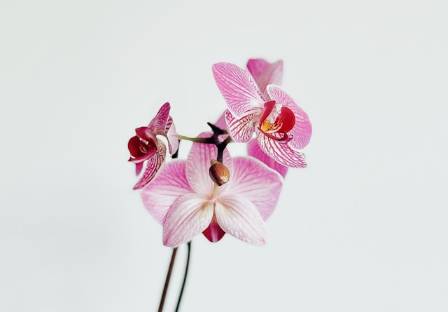
Commonly known as the “moth orchid,” Phalaenopsis orchids are among the most popular and long-lasting blooming orchid varieties. Their flowers can remain attractive for 2 to 6 months before naturally fading. Once mature, these orchids may bloom two or even three times each year.
Jasper Wallace
Margin note
Reading tip
The full digest continues below among botanical margin notes.
Grove
Olive Digests
Commonly known as the “moth orchid,” Phalaenopsis orchids are among the most popular and long-lasting blooming orchid varieties. Their flowers can remain attractive for 2 to 6 months before naturally fading. Once mature, these orchids may bloom two or even three times each year.
After the first flowering period ends, trim the flower spike just above the node where the first blossom appeared. A new flower spike may develop from the upper node within about two months. If the spike does not produce new growth or begins turning brown, remove it completely by cutting near the base of the plant.
Light Requirements and Shade
Phalaenopsis orchids prefer bright but filtered light rather than direct sunlight. They generally grow best under shaded lighting conditions of around 1000 to 1500 foot-candles, where a hand placed above the leaves creates little or no shadow.
East-facing or west-facing windows are ideal locations. An east window is often the best choice because morning temperatures are cooler while the plant receives sufficient light. South-facing windows can work if the plant is protected with a sheer curtain to prevent strong sunlight from burning the leaves.
For indoor growers using artificial lighting, LED grow lights are an excellent option. During winter, Phalaenopsis orchids benefit from approximately 11 hours of artificial light each day, while summer growth may require 14 to 16 hours.
Temperature and Humidity Needs
Phalaenopsis orchids prefer warm indoor environments and adapt well to typical household temperatures. They grow best when daytime temperatures remain between 70°F and 80°F (21°C to 27°C), with nighttime temperatures around 60°F to 65°F (16°C to 18°C).
Because these conditions are similar to many homes, moth orchids are excellent choices for indoor gardening.
High humidity is also important for healthy growth. These orchids perform best with humidity levels between 50% and 70%. Indoor humidity can be increased with a humidifier or a humidity tray filled with moist pebbles.
However, avoid allowing the orchid pot to sit directly in water, as constantly wet roots can quickly lead to root rot.
Proper Watering Practices
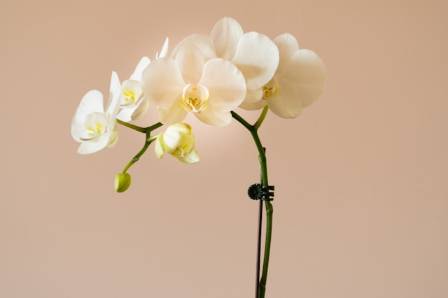
Phalaenopsis orchids prefer evenly moist growing conditions, but the potting medium should become slightly dry between watering sessions.
During warm and dry periods, watering may be necessary twice a week. When an orchid does not receive enough moisture, signs may include limp leaves, yellow leaf tips, or rapid yellowing of the oldest leaves near the plant base.
If these symptoms appear, inspect the roots carefully. Overwatering can damage roots and prevent the plant from absorbing water properly. If the roots look healthy, the orchid may simply need more frequent watering.
Watering in the morning is recommended because it allows leaves to dry before nighttime, reducing the risk of bacterial problems.
Whenever possible, use low-mineral water such as rainwater, distilled water, or reverse osmosis water. Water collected from a household dehumidifier can also be suitable for orchids.
Fertilizing Phalaenopsis Orchids
Providing the correct nutrients helps Phalaenopsis orchids grow stronger and produce more flowers. A balanced orchid fertilizer specifically designed for these plants is recommended.
Low-alkalinity water sources, such as rainwater, distilled water, or reverse osmosis water, work especially well with orchid fertilizers. Tap water can also be used, but mineral deposits may accumulate over time and require more frequent repotting.
When orchids are planted in bark-based mixes, fertilize during every watering session and rinse the potting material with plain water once a month to remove excess salts and minerals.
For orchids growing in sphagnum moss, fertilizer can usually be applied every third watering throughout the year.
Choosing Potting Materials and Repotting
Phalaenopsis orchids need a lightweight, breathable growing medium that holds moisture while allowing excess water to drain away.
Suitable options include high-quality sphagnum moss or medium-grade orchid bark mixes. Repotting is generally recommended once a year, ideally during spring or fall when temperatures are moderate.
When repotting, carefully remove the old medium and inspect the roots. Cut away any dead, damaged, or rotting roots while keeping healthy roots intact. If the old potting material has broken down, smells unpleasant, or has become compacted, gently clean the root system before placing the orchid into fresh media.
Center the orchid in its new container, spread the roots outward, and carefully fill the remaining space with fresh growing material.
To prevent the spread of orchid diseases, always sterilize pruning and potting tools before use. Tools can be disinfected by briefly heating pruning blades with a butane torch or cleaning them with rubbing alcohol before wiping them dry.
Managing Common Pests
The most common pest problem affecting Phalaenopsis orchids is mealybugs. These small insects often hide in the spaces where leaves meet the stem, making them difficult to notice at first.
A simple treatment option is a homemade solution made from equal parts water and rubbing alcohol with a few drops of dish soap added. Spray the affected areas every few days and remove dead insects between treatments.
For severe infestations, a commercial insecticide formulated specifically for orchid pests may provide better control when applied regularly.
Understanding Bud Blast
Bud blast occurs when orchid flower buds dry out and fall before opening. Several different factors can cause this problem.
Care-related causes may include watering too much or too little, using softened water, or applying excessive fertilizer. Environmental stresses can also trigger bud loss, including very high temperatures, insufficient light, exposure to cold drafts, or contact with household fumes from cleaning, painting, or other home projects.
Maintaining stable growing conditions, proper watering habits, and suitable light levels can help prevent Phalaenopsis orchids from dropping unopened buds.
More along this branch
LEAF · en

Exploring Ten of the World's Most Renowned Murals
Murals have long served as powerful tools for storytelling, cultural expression, and social commentary. From ancient frescoes to contemporary street art, these large-scale artworks offer glimpses into the values, struggles, and aspirations of societies across the globe. Below, we delve into ten of the most iconic murals that have left an indelible mark on the art world.
LEAF · en

Santorini: The Greek Island of Dreams
The phrase “Greek Isles” immediately brings to mind images of bright white houses clustered along steep hillsides, overlooking sparkling blue seas. Yet with more than 200 islands spread throughout the Aegean and Ionian seas, choosing where to begin can be difficult.
LEAF · en

Do you know the most popular Japanese sweet?
It is called “dorayaki” and many fans of the famous cartoon series “Doraemon” know it as the favourite sweet of this curious cosmic cat. Undoubtedly, a sweet that stands out for its shape, its taste and its multiple combinations of flavours, becoming today the most fashionable snack not only in the East but also in the West. At Oriental Market we are pleased to present our new Dorayaki range of flavours, you will want to try them all!
LEAF · en

Draw Cartoon Animals
who doesn’t enjoy cartoons? there are countless beloved cartoon characters that bring joy to both kids and adults, with something to match every taste and age.
LEAF · en

7 Sofa Dressing Tips to Create a Stunning Living Room
A well-styled sofa can transform your living space, making it both functional and visually appealing. Whether you lean towards minimalist decor or enjoy a more maximalist approach, there are many ways to give your sofa the perfect finishing touch. From adding texture and color to balancing the overall layout, here are seven tips to help you create a beautifully styled sofa.
LEAF · en

Unmanned Aerial Vehicle
The Schmidt Ocean Institute provides support for drone or Unmanned Aerial Vehicle (UAV) operations by offering rental systems for approved research projects conducted aboard the R/V Falkor.