Grove read
The best cities are river cities
Beneath layers of pavement, concrete buildings, shopping districts, parks, and schools, many cities are home to forgotten waterways. Creeks, streams, and rivers still exist beneath the urban landscape, even if some have been buried underground inside pipes.
Talia Emerson
Margin note
Reading tip
The full digest continues below among botanical margin notes.
Grove
Olive Digests
Beneath layers of pavement, concrete buildings, shopping districts, parks, and schools, many cities are home to forgotten waterways. Creeks, streams, and rivers still exist beneath the urban landscape, even if some have been buried underground inside pipes.
Today, more communities are beginning to recognize the value of these overlooked water systems. Restoring urban rivers and reconnecting people with their waterways can create healthier environments, stronger communities, and better quality of life for everyone.
Why Urban Rivers Are Important
More than 80 percent of people in the United States live in urban areas, and many residents live within a short distance of a river or stream. However, countless city waterways have suffered from pollution, neglect, and years of being covered or treated as waste channels.
When rivers become polluted, the effects extend far beyond the immediate area. Damaged waterways harm wildlife, disrupt natural ecosystems, and create problems for communities located downstream. Because rivers are part of connected systems, problems in one location can spread throughout the entire network.
Another major challenge is that many cities were designed around older weather conditions and smaller populations. Existing infrastructure often struggles with today’s heavier storms, increasing floods, sewage overflows, and rising levels of water pollution. Climate change is making these challenges even more serious by increasing the frequency and intensity of extreme weather events.
These problems often affect marginalized communities most severely, especially communities that have historically had limited influence in planning decisions and unequal access to natural spaces. Clean water and healthy environments should be available to everyone, not only certain groups.
To address these issues, cities need to reconnect residents with their rivers, modernize water systems, and create more resilient and inclusive communities. Urban areas must become healthier parts of larger river ecosystems.
What Defines a River City
A true River City is one where people maintain a strong relationship with their rivers, streams, and creeks. These waterways are clean, accessible, and integrated into daily life.
Healthy rivers support both human well-being and urban wildlife. Water should flow naturally through visible river systems, with floodplains that allow excess water to spread safely without threatening homes or public spaces. Communities should also have opportunities to protect these resources and participate in decisions about water management.
Over the past 25 years, organizations and local partners have worked with communities, city governments, and water agencies in places such as Milwaukee, Toledo, Tucson, Atlanta, and Grand Rapids. These experiences have revealed important lessons about how cities can restore their connections with waterways.
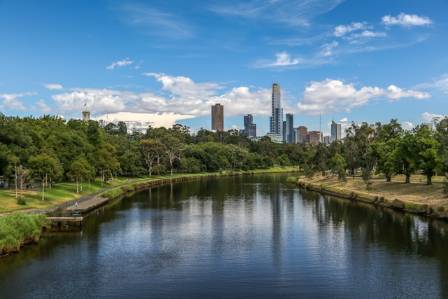
Five Principles of Successful River Cities
Clean
Healthy rivers should contain clear water free from trash, sewage, and harmful pollution. Clean waterways provide valuable habitats for wildlife and create better spaces for people to enjoy.
Free
Streams and rivers should be able to move naturally without unnecessary barriers such as dams, pipes, or restrictive structures that interrupt their flow.
Safe
A successful River City reduces flooding risks while ensuring that residents feel comfortable and secure when visiting nearby waterways.
Enjoyable
Natural river spaces should become welcoming places where people can relax, explore, and spend time with friends and family in ways that fit their lifestyles.
Accessible to Everyone
The benefits of clean water and healthy rivers should be shared by all communities. Equal access to nature is especially important for communities that have historically lacked opportunities to enjoy natural areas. Everyone should also have a voice in decisions about the future of local waterways.
The Transformation of Grand Rapids: From Hidden Streams to Community Assets
Grand Rapids, Michigan, provides an example of how a city can rebuild its relationship with an urban river system. Through several stages of awareness, planning, and action, a neglected waterway can become a valuable community resource.
Stage One: Discovering the Waterway
The first step in restoring a connection with nature is helping people recognize what exists around them.
In Grand Rapids, after several severe storms, the city’s stormwater management team visited homes in the Plaster Creek area, located near one of the most polluted waterways in the Grand River watershed. Residents learned about erosion problems and aging infrastructure affecting their neighborhood.
The community was encouraged to discover that solutions were possible and became willing to cooperate with the city to improve the situation.
Stage Two: Creating a Vision
Once residents understand the condition and importance of their waterways, the next step is imagining what the future could look like.
Local organizations in Grand Rapids provided education about the watershed and helped neighborhoods identify priorities. Residents began planning ways to make their surroundings greener while improving the health of the creek.
Stage Three: Building Momentum
This stage focuses on turning ideas into real improvements.
In Grand Rapids, nonprofit organizations partnered with local leaders to develop and complete “rainscaping” projects, including rain gardens, bioswales, and the planting of native vegetation. These efforts helped reduce flooding, improve water quality, and restore the urban creek environment.
Working with the city and community partners, American Rivers also developed a creative incentive program encouraging private property owners to add green infrastructure to their own land.
Stage Four: Creating Long-Term Success
The final stage is ensuring that restoration efforts continue through strong community involvement.
American Rivers works alongside local organizations and community leaders, including groups such as the West Michigan Environmental Action Council, Lower Grand River Organization of Watersheds, and Plaster Creek Stewards. Together, they identify community priorities, advocate for local needs, and support funding and implementation of important projects.
A New Era for Urban Rivers
Across the country, cities are beginning a new chapter in their relationship with rivers. By reducing pollution, improving flood protection, increasing access to natural areas, and preparing for climate challenges, communities are rediscovering the value of their waterways.
The next time you walk through a city, consider the streams and rivers that may be hidden beneath the streets. With cooperation, planning, and community leadership, forgotten waterways can be transformed into vibrant neighborhood spaces that support health, nature, and a better urban future.
More along this branch
LEAF · en

17 New Cars To Look Forward to in 2025
2025 promises to be a dynamic year for the automotive industry as it navigates the shift away from fossil fuels. While pure battery electric vehicles (BEV) and plug-in hybrid electric vehicles (PHEV) saw a slight sales dip early in 2024, they rebounded strongly in the second half—especially in the luxury segment—while hybrid vehicle sales surged dramatically. Embracing this unpredictability, our list of the most anticipated 2025 cars breaks from recent all-electrified lineups to include gasoline-powered options, offering something for every budget, style preference, performance craving, and vehicle type. From outrageous electric concepts to reimagined classics, these 17 models are set to define the year ahead for motoring enthusiasts.
LEAF · en

Raccoons: Clever Survivors of the Wild and Urban World
The raccoon (Procyon lotor) is classified among the carnivores, a mammalian group traditionally made up of animals that primarily consume meat. However, many members of this group are also capable of eating berries, fruits, vegetables, eggs, acorns, beech and hickory nuts, grains, grasses, and bark when other food sources are scarce. Carnivorous mammals have five toes and prominent canine teeth. Raccoons are omnivores, and the proportion of plant and animal foods they consume changes according to the season and what is available in their surroundings.
LEAF · en
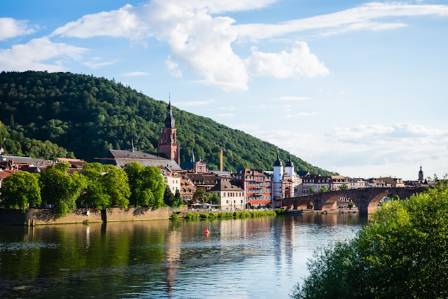
What to see in Heidelberg, Germany
Heidelberg is a charming small city located along the Neckar River in the German state of Baden-Württemberg. It is often referred to as Germany’s most romantic city. Although it has suffered destruction multiple times throughout its long history, its ruins, architecture, and atmosphere continue to inspire artists and enchant both visitors and residents.
LEAF · en
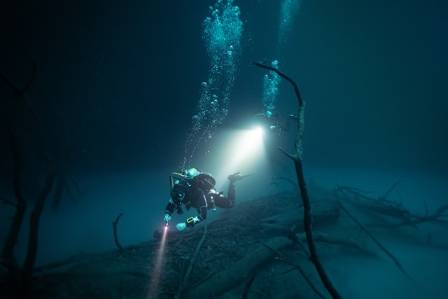
Submersible Robotics: Prying into the Enigmas of the Deep Sea
Modern ocean exploration relies on staggering engineering feats. Deep-sea vehicles like the remotely operated vehicles (ROVs) Deep Discoverer and Seirios, along with autonomous platforms like Nereid Under Ice, are marvels of technology. These machines are composed of thousands of pounds of hardware and miles of internal wiring. They are built to endure depths exceeding four miles, where the environment is hostile and the pressure is nearly 600 times greater than at the surface.
LEAF · en

Interesting facts about brown bears
There are approximately 20,000 brown bears living across Europe, with populations found in countries such as Romania, Spain, and France. Although they are not the largest bears on Earth, European brown bears are the biggest predators found on the European mainland.
LEAF · en

10 Nostalgic Treasures That Make Me Feel Old
As my birthday approaches, I find myself reflecting on the passage of time and all the quirky treasures from my childhood. To jog the memory—and perhaps evoke a few chuckles—I’ve compiled a list of 10 nostalgic items and experiences that take me back to my formative years. Many of these gems were staples for kids growing up in the 90s, and some have made a delightful resurgence for today’s youngsters! So, if you share my age, prepare for a stroll down memory lane.