Grove read
Interesting facts about brown bears
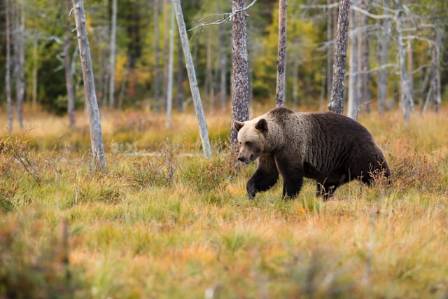
There are approximately 20,000 brown bears living across Europe, with populations found in countries such as Romania, Spain, and France. Although they are not the largest bears on Earth, European brown bears are the biggest predators found on the European mainland.
Eva Collins
Margin note
Reading tip
The full digest continues below among botanical margin notes.
Grove
Olive Digests
There are approximately 20,000 brown bears living across Europe, with populations found in countries such as Romania, Spain, and France. Although they are not the largest bears on Earth, European brown bears are the biggest predators found on the European mainland.
Brown bears are omnivores, but most of their diet consists of plants. Around 80 percent of what they eat comes from plant sources, including berries, fruits, nuts, leaves, and tree bark. They also consume animal-based foods such as fish, insects, small mammals, and occasionally larger animals like deer when the opportunity arises.
At Bristol Zoo Project, the European brown bears live in Bear Wood, an ancient woodland environment shared with European grey wolves. This natural habitat provides plenty of opportunities for exploration and foraging, with many native plants available for the bears to browse.
Brown bears help spread plant seeds
Because brown bears eat large amounts of fruit, they play an important role in maintaining plant populations by spreading seeds. They help plants reproduce in two main ways: by eating fruits and later releasing the seeds through digestion, and by transporting seeds that become attached to their fur.
This natural seed dispersal process helps plants spread into new areas and supports ecosystem regeneration. In Bear Wood, the presence of natural processes like these has contributed to the recovery of native plant life, with ground vegetation increasing significantly since the habitat was established.
Brown bears have an incredible sense of smell
European brown bears are famous for their powerful sense of smell, which is considered among the strongest in the animal kingdom. Their exceptional noses help them locate food, detect possible threats, and find potential mates.
Each bear has its own preferences when it comes to different scents. Some bears are especially attracted to strong smells and enjoy investigating unusual aromas. At Bristol Zoo Project, enrichment activities often involve introducing different scents, and the bears eagerly use their sense of smell to explore their surroundings.
European brown bears usually live alone
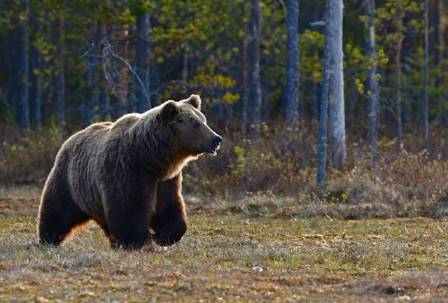
Brown bears are generally solitary animals, with the main exception being females raising their cubs. Adults usually spend most of their time alone and only come together briefly during the breeding season, which typically occurs between May and July.
Each bear usually occupies its own territory, although these areas may sometimes overlap with those of other bears. When large food sources are available, several bears may gather in the same location to feed.
Bear cubs are born during hibernation
After mating, male and female brown bears separate. A fertilized egg can remain inactive inside the female’s body for several months before attaching to the uterus at the beginning of hibernation, usually around October.
Female bears give birth while they are still hibernating, commonly during January or February. The newborn cubs remain close to their mother and drink her milk until she wakes from her winter rest. A typical litter contains two or three cubs, and young bears usually stay with their mother until they are about three or four years old.
Brown bears are surprisingly fast
Despite their large size, European brown bears are extremely agile and quick. They can reach running speeds of more than 35 miles per hour, even though they may weigh between 100 and 400 kilograms depending on the season.
Some individuals can grow up to around 2.2 metres tall when standing on their hind legs. In addition to their speed, brown bears are excellent swimmers, skilled climbers, and powerful diggers, making them highly adaptable animals.
Brown bears are intelligent animals
Brown bears have one of the highest brain-to-body size ratios among carnivores, which contributes to their impressive intelligence and problem-solving abilities. Their cognitive skills allow them to adjust to different environments, develop varied feeding strategies, and even use simple tools.
Their intelligence can be seen through enrichment activities designed for bears at Bristol Zoo Project. These activities include puzzle feeders made from logs, pipes, and wooden structures, scent trails using foods and natural smells, frozen treats containing hidden food, and objects carrying unfamiliar scents.
These challenges encourage the bears to investigate, think, and use their natural behaviors.
European brown bears continue to fascinate people with their strength, intelligence, and important role in ecosystems. At Bristol Zoo Project, visitors can observe bears such as Neo, Nilas, Albie, and Gemini while learning about conservation efforts that protect wildlife both locally and around the world.
More along this branch
LEAF · en

Escape the Urban Hustle: Reconnect with Nature
In the midst of the urban frenzy, there exists an age-old remedy to alleviate stress and anxiety, and rekindle your inner strength: the art of travel. The urban jungle, with its concrete canyons and ceaseless commotion, is a far cry from the serene wonders of the natural world. To immerse yourself in the embrace of tranquility, all you need is a journey that transports you back to the essence of your being.
LEAF · en

Learn to Draw a Giant Panda
Giant pandas are beloved animals, instantly recognizable by their black-and-white coloring, round bodies, and unique facial markings. If you’ve ever wanted to draw a panda, this guide will take you through the process in five simple steps. Along the way, you’ll learn key features that make pandas look realistic and fun facts about their anatomy to add authenticity to your artwork.
LEAF · en

Top 6 Universities with Accomplished and Stunning Female Students
Are you searching for universities with accomplished and stunning female students? Look no further, as several institutions in the USA boast not only attractive but also intelligent, ambitious, and driven women. Explore the top 6 universities where young women showcase their talents in sports, leadership, and various fields.
LEAF · en

Phalaenopsis Orchid Care
Commonly known as the “moth orchid,” Phalaenopsis orchids are among the most popular and long-lasting blooming orchid varieties. Their flowers can remain attractive for 2 to 6 months before naturally fading. Once mature, these orchids may bloom two or even three times each year.
LEAF · en

Top Fashion Watches to Elevate Your Style
In the fashion world, watches serve a purpose far beyond simply showing the time. They are important accessories that express individual taste, status, and personality while adding a polished touch to almost any outfit. Whether you are preparing for an elegant formal occasion or simply want to bring more refinement to your daily wardrobe, the right watch can have a noticeable effect on your overall appearance.
LEAF · en

A BIG VICTORY FOR THE SMALL CAR: 50 YEARS ON, THE CLASSIC MINI’S 1964 MONTE CARLO RALLY TRIUMPH THAT SHOCKED MOTORSPORT
In the annals of international motorsport, few victories have carried the underdog spirit as vividly as the one scored by a tiny British car on a frosty January day in 1964. On 21 January, the Classic Mini Cooper S—small, lightweight, and outgunned by its V8-powered rivals—claimed its first Monte Carlo Rally win, a triumph that didn’t just rewrite the rulebook for rallying but etched itself into the hearts of fans worldwide. Fifty years later, the story of Patrick “Paddy” Hopkirk, his co-driver Henry Liddon, and their iconic Mini (licence plate 33 EJB) remains a masterclass in how ingenuity, timing, and a car built for the people could topple giants.