Latte art, step by step

Grove read

Latte art, step by step

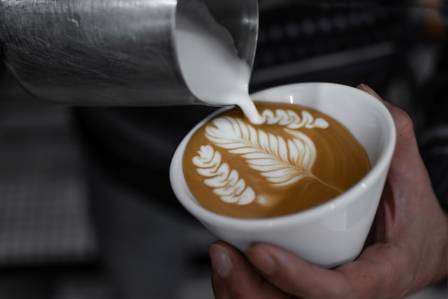
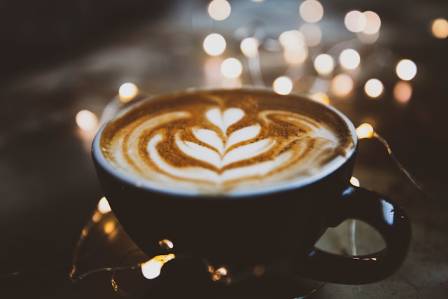
One of the most enjoyable aspects of visiting a café is receiving a cappuccino adorned with an elegant design on its surface. These decorative creations, made by carefully poured milk foam atop espresso, are called latte art. While they don’t make the coffee taste better, they reflect a barista’s precision, skill, and dedication to crafting a visually appealing beverage.

O

Olivia Parker

Margin note

Reading tip

The full digest continues below among botanical margin notes.

Grove

Olive Digests
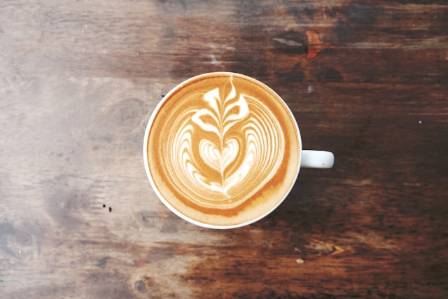
One of the most enjoyable aspects of visiting a café is receiving a cappuccino adorned with an elegant design on its surface. These decorative creations, made by carefully poured milk foam atop espresso, are called latte art. While they don’t make the coffee taste better, they reflect a barista’s precision, skill, and dedication to crafting a visually appealing beverage.
Here, we’ll guide you through the four key steps to create latte art, helping you understand the techniques behind those beautiful coffee patterns—or even giving you the confidence to try making your own.

Step 1: Brew the Coffee

Start with a well-made espresso using high-quality coffee beans. A reliable espresso machine ensures the drink highlights the coffee’s aroma and produces a stable crema—a creamy layer on top—necessary for supporting the milk foam for latte art.
To pull an espresso: force hot water under pressure through roughly 7 grams of finely ground coffee for about 25 seconds, yielding around 30 ml of concentrated coffee.

Step 2: Steam the Milk

Cold whole milk works best for creating a rich microfoam, which is the foundation for latte art. Tiny bubbles form a stable foam thanks to milk proteins, producing a smooth, velvety surface. Starting with cold milk helps trap more air, making it easier to achieve fine, uniform bubbles.
How to steam milk:
Fill a milk pitcher halfway.
Purge the steam wand to remove any water condensation.
Position the wand just above the milk, slightly off-center.
Turn the wand on fully, creating a vortex that aerates the milk.
Monitor the temperature—stop steaming before it exceeds 140°F (60°C). Use your hand as a guide if you don’t have a thermometer.
Remove the pitcher, clean the wand, and swirl the milk to blend microfoam with liquid.
Pour the milk into the espresso until the cup is filled.

Step 3: Select Your Technique

Latte art can be made using two main methods: free pouring and etching.
Free pouring: Pour the steamed milk directly from the pitcher into the espresso, tilting the cup gently to control the milk flow. Begin pouring from about 5 cm above the coffee, gradually lowering the cup as it fills. Patterns emerge at the end of the pour, when the pitcher is close to the liquid.
Etching: Pour the milk first, then use tools like toothpicks, knives, stencils, or chocolate syrup to draw detailed designs on the foam’s surface.

Step 4: Create the Design

Hold the cup so the design faces the drinker, typically with the handle to the right. Classic patterns include hearts, rosettas, and swans.
How to make a heart pattern:
Pour the steamed milk into the center of the espresso from about 2 cm above the surface.
Lower the pitcher until it nearly touches the coffee.
Continue pouring to form a large circular shape.
Lift the pitcher slightly while moving forward to cut through the circle.
Finish by pouring a thin stream of milk to draw the point of the heart.
Latte art may take practice to perfect, but with patience and the right technique, anyone can learn to craft these stunning coffee designs.

More along this branch

LF

LEAF · en

Delicious caramel pudding

Delicious caramel pudding

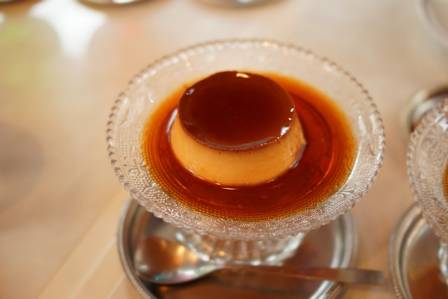
Whenever I think of caramel pudding, memories of my grandmother’s kitchen come rushing back—the soft clinking of her mixing bowls, the aroma of sugar turning golden and filling the cozy farmhouse. This dessert was always a labor of love, a simple yet heartwarming treat in a ramekin. Today, I’m thrilled to share her treasured recipe with you.

LF

LEAF · en

SUV Buying Guide

SUV Buying Guide

Let’s begin with the basics: SUV stands for “sport utility vehicle.” The term first appeared in 1974 in marketing for the Jeep Cherokee. By the 1980s, “SUV” had expanded to describe vehicles designed for off-road capability and generous cargo space. Today, SUVs represent one of the fastest-growing and most popular segments in the automotive world, available in a wide variety of sizes and specifications.

LF

LEAF · en

Twilight Waves

Twilight Waves

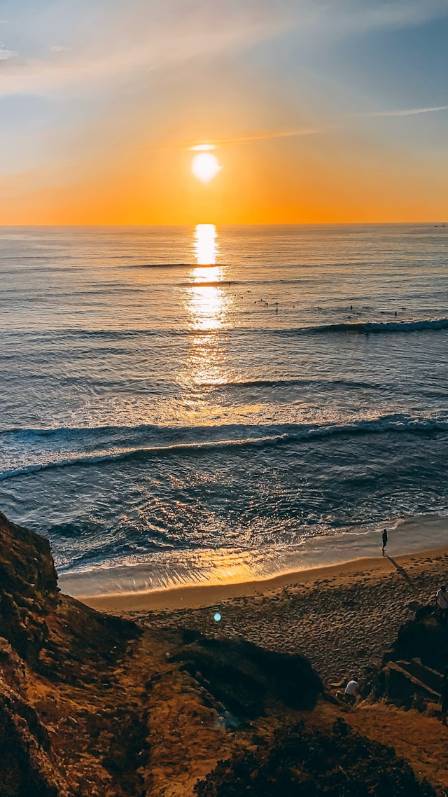
There’s something universally calming about the ocean at sunset. When the sun begins its slow descent, casting gold and amber hues across the sea’s surface, travelers pause. Whether it’s your first beach getaway or your tenth, twilight over the water delivers a kind of quiet magic that defines the perfect ending to a coastal day. Here’s how to make the most of those twilight waves—whether you’re planning a honeymoon, a weekend break, or just craving that golden-hour glow.

LF

LEAF · en

Uncovering 5 Benefits of Horseback Riding

Uncovering 5 Benefits of Horseback Riding

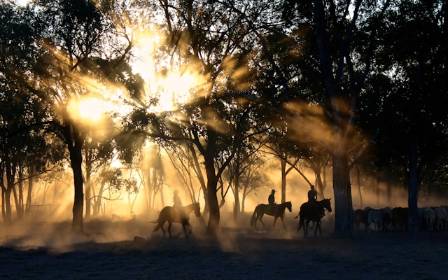
Everyone has their own unique reasons for wanting to learn how to ride a horse, and the benefits of horseback riding are vast and shared among riders everywhere. If you’re contemplating a new hobby, perhaps the insights below will inspire you to join the ranks of riders.

LF

LEAF · en

One World Trade Center: An Icon of Modern Architecture

One World Trade Center: An Icon of Modern Architecture

One World Trade Center stands as a powerful symbol of resilience and innovation in the heart of New York City. Rising from the site of the original World Trade Center towers destroyed on September 11, 2001, this building not only serves as a functional office space but also represents the enduring spirit of progress and unity. It combines cutting-edge design with advanced safety features, redefining what a skyscraper can be in the 21st century.

LF

LEAF · en

The Canada Goose Uncovered

The Canada Goose Uncovered

Soaring gracefully through the sky or casually grazing on a city lawn, the Canada goose is one of North America’s most captivating waterfowl.