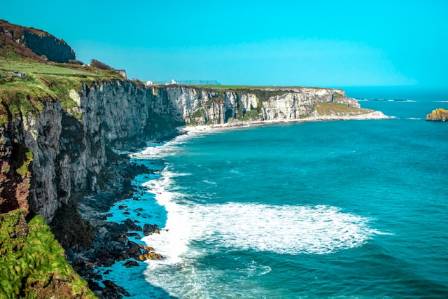
Grove read
Understanding Coastal Landforms: Beaches and Cliffs
Coastal landscapes rank among the most visually stunning and ever-changing features on Earth. They emerge from the ongoing interaction between the ocean and the land, sculpted over millions of years by geological, biological, and climatic forces. Two of the most familiar and widely recognized coastal forms are beaches and cliffs. Beyond their scenic appeal, these landforms play vital roles in ecosystem function, human habitation, and coastal protection. This article examines their formation, traits, types, and ecological importance.
Caleb Foster
Margin note
Reading tip
The full digest continues below among botanical margin notes.
Grove
Olive Digests
Coastal landscapes rank among the most visually stunning and ever-changing features on Earth. They emerge from the ongoing interaction between the ocean and the land, sculpted over millions of years by geological, biological, and climatic forces. Two of the most familiar and widely recognized coastal forms are beaches and cliffs. Beyond their scenic appeal, these landforms play vital roles in ecosystem function, human habitation, and coastal protection. This article examines their formation, traits, types, and ecological importance.
The Ever-Changing Nature of Coasts
Shorelines exist at the boundary between land and sea, making them naturally dynamic. Waves, tides, ocean currents, and wind act as relentless agents of change, eroding rock, moving sediments, and reshaping the coast. Human activity—including construction, dredging, and pollution—also modifies coastal morphology.
Key processes shaping beaches and cliffs include:
Erosion: The gradual wearing away of rock or sediment by waves, weather, or human interference.
Deposition: The accumulation of materials carried by currents and waves along the shore.
Tectonic Movement: Uplift or subsidence of land caused by shifts in Earth’s crust.
Sea Level Fluctuations: Rising or falling sea levels can expose new areas or submerge existing ones.
Beaches: Nature’s Sandy Frontiers
What Defines a Beach?
A beach is a coastal landform composed of loose particles—sand, pebbles, gravel, or cobbles—deposited by wave action. While they appear along oceans, seas, rivers, and lakes, beaches are most commonly associated with marine coastlines.
How Beaches Form
Sediments are transported and deposited by waves, gradually accumulating along the shoreline. Material may come from offshore sources or eroded nearby cliffs. The composition of the beach reflects local geology:
Quartz Sand: Typical in granite- or sandstone-rich regions.
Shell Fragments: Common in tropical areas with abundant marine life.
Volcanic Sand: Dark or greenish sand found near volcanic islands.
Pebbles and Cobbles: Present in high-energy coastlines where fine particles are washed away.
Beach profiles—the cross-sectional shape from backshore to offshore—shift seasonally. Summer beaches tend to be broader with gentle slopes due to calmer waves depositing sediments, while winter beaches are narrower with steeper slopes caused by stronger wave erosion.
Types of Beaches
Beaches are classified by sediment type, shape, and energy environment:
Sandy Beaches: Fine to coarse sand; support dunes, marshes, and diverse wildlife.
Pebble (Shingle) Beaches: Composed of rounded stones with steeper slopes.
Barrier Beaches: Offshore sand or sediment ridges protecting lagoons or estuaries.
Pocket Beaches: Small sandy stretches nestled between headlands or cliffs.
Tidal Flats: Mud or silt-rich areas in sheltered locations; sometimes considered beaches.
Ecological Role of Beaches
Beaches provide critical habitat for shorebirds, mollusks, crabs, and dune vegetation. They act as natural storm buffers, absorbing wave energy and protecting inland areas. Wind-shaped dunes stabilize sediments and serve as reserves for future coastal replenishment.
Human Interaction
Beaches attract tourism and recreation but face threats from development, pollution, and sea-level rise. Conservation strategies include beach nourishment, dune restoration, and controlled access to balance human use with ecosystem health.
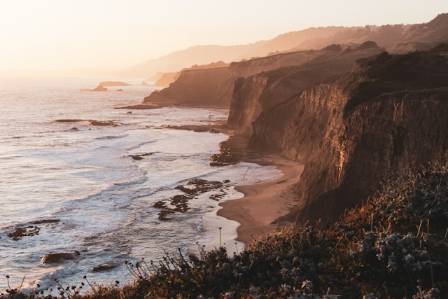
Cliffs: The Majestic Coastal Escarpments
What Is a Cliff?
A cliff is a steep or vertical rock face along the coast, where erosion-resistant layers rise sharply from the sea or land. Heights vary from a few meters to several hundred meters.
Formation of Cliffs
Cliffs form mainly through the combination of tectonic uplift and erosion:
Marine Erosion: Waves erode the base, forming notches that eventually cause rock collapse.
Weathering: Freeze-thaw cycles, chemical reactions, and biological activity weaken rock faces.
Tectonic Uplift: Land is lifted along faults, forming terraces capped by cliffs.
Erosion rates depend on rock type, wave intensity, weather, and human activity. Hard rocks like granite resist erosion longer than softer sediments like clay or sand.
Types of Coastal Cliffs
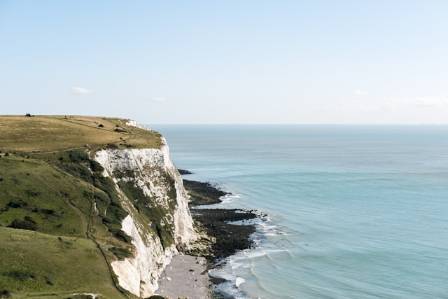
Rocky Cliffs: Found on resistant coastlines (e.g., chalk cliffs in England, basalt columns in Iceland).
Soft-Cliff Coasts: Composed of sands or clays, prone to landslides.
Terrace Cliffs: Formed on uplifted wave-cut platforms.
Famous examples include the White Cliffs of Dover, Na Pali Coast in Hawaii, and Giant’s Causeway.
Features Linked to Cliffs
Wave-Cut Platforms: Flat benches at cliff bases formed by erosion.
Sea Stacks: Isolated pillars left after cliff collapse (e.g., Old Man of Hoy).
Caves and Arches: Created where weaker rock zones are eroded.
Ecological Importance
Cliffs host specialized plants, provide nesting for seabirds, and support cliff-top grasslands with wildflowers adapted to thin soils.
Hazards
Cliffs pose risks including rockfalls and landslides. Monitoring and controlled development are crucial for safety.
Interaction Between Beaches and Cliffs
Beaches and cliffs often exist together, forming interconnected coastal systems:
Sediments from eroding cliffs replenish nearby beaches.
Beaches absorb wave energy, reducing cliff erosion.
Human modifications of sediment supply can accelerate cliff retreat or beach loss.
Understanding these relationships is key for sustainable coastal management.
Coastal Landforms and Climate Change
Rising sea levels, stronger storms, shifting wave patterns, and changing sediment flows pose new threats to beaches and cliffs. Adaptive strategies include:
Restoring dunes and natural barriers.
Limiting construction near unstable cliffs.
Using soft-engineering methods like managed retreat.
Monitoring with satellites, drones, and surveys to predict and respond to changes.
Conclusion
Beaches and cliffs are essential components of coastal landscapes, shaping ecosystems and human experiences. Their formation reflects the interplay of geology, ocean dynamics, climate, and biology. Protecting these landforms requires informed management, sustainable use, and awareness of climate impacts. As coastal environments continue to change, understanding and preserving beaches and cliffs is vital for future generations.
More along this branch
LEAF · en
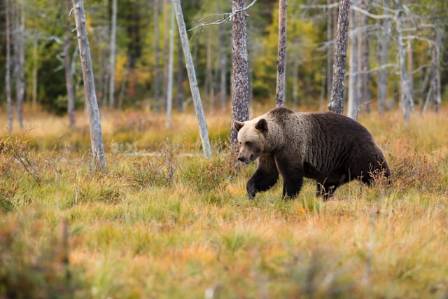
Interesting facts about brown bears
There are approximately 20,000 brown bears living across Europe, with populations found in countries such as Romania, Spain, and France. Although they are not the largest bears on Earth, European brown bears are the biggest predators found on the European mainland.
LEAF · en

The Best Selling Vehicles Dominating British Roads Right Now
Fully electric vehicles secured an unprecedented thirty percent of the automotive market in the United Kingdom during the month of June, representing the highest performance observed throughout the current year. This surge helped propel overall vehicle registrations upward by eleven point four percent to hit a grand total of 213,166 units, according to recent data published by the Society of Motor Manufacturers and Traders. This exceptional performance marked the strongest showing for the month of June since the year 2019, with the expansion driven entirely by low-emission options as automakers continue to roll out more electric and hybrid models while fresh automotive brands enter the British marketplace. Consumer appetite for electric mobility was further accelerated by climbing fuel prices connected to ongoing geopolitical tensions in the Middle East.
LEAF · en

Guinea Pig Care for Pet Owners
Owning a guinea pig means understanding the daily care requirements that help maintain its health, happiness, and comfort. This guide was created to provide guinea pig owners with useful information about suitable housing, bedding materials, nutrition, water needs, and other important care considerations. By learning about these essential needs, owners can make better choices and create a safe and healthy living environment for their pets.
LEAF · en

Are Strawberries Good for You?
Nutrition, Health Benefits, Diet Tips, and Potential Risks Strawberries are not only delicious—they’re loaded with nutrients that support overall wellness. Packed with essential vitamins, minerals, fiber, and natural compounds with antioxidant and anti-inflammatory effects, strawberries may help lower the risk of several chronic conditions. Emerging research indicates that strawberries may help regulate blood sugar levels after meals in certain individuals with excess weight or obesity. Moreover, this fruit contains plant-based compounds that may contribute to a lower risk of heart disease, stroke, cancer, high blood pressure, and digestive issues. Here’s a breakdown of what makes strawberries a smart addition to your diet.
LEAF · en
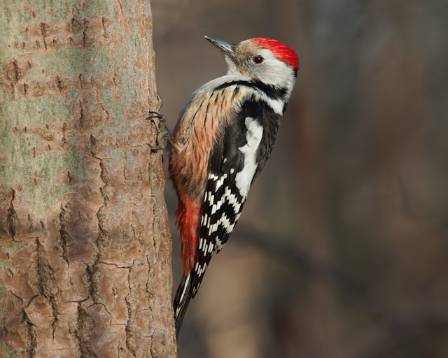
Fascinating Biological Traits and Behaviors of Woodpeckers
Woodpeckers possess a remarkable set of sensory adaptations and physical characteristics that allow them to thrive in forested environments. While many birds rely primarily on sight, woodpeckers may locate concealed prey through a combination of auditory cues and an advanced sense of smell. By striking a tree trunk, they can listen for hollow echoes that reveal the tunnels of wood-boring insects—a technique similar to thumping a melon to check for ripeness. Additionally, the audible sounds made by grubs as they feed on wood can be detected by these birds. Unlike many avian species, woodpeckers also have a keen olfactory sense, allowing them to smell the formic acid excreted by termites, bark beetles, and ants, which often carries a scent reminiscent of tart candy.
LEAF · en

Sparkling Flavored Water with Fruit
Make your afternoon sparkle with a fruity, fizzy drink! This flavored sparkling water with tropical fruit is refreshing, hydrating, and naturally sweet. All you need is a can of bubbly water and a handful of frozen fruit—easy, cheerful, and perfect for sipping on a sunny day.