Grove read
Fascinating Biological Traits and Behaviors of Woodpeckers
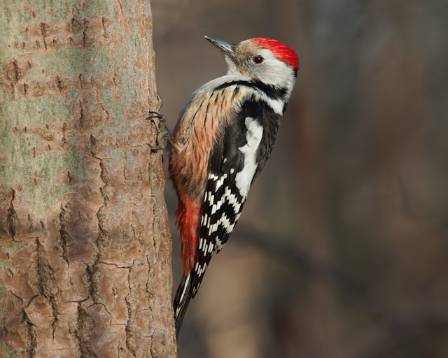
Woodpeckers possess a remarkable set of sensory adaptations and physical characteristics that allow them to thrive in forested environments. While many birds rely primarily on sight, woodpeckers may locate concealed prey through a combination of auditory cues and an advanced sense of smell. By striking a tree trunk, they can listen for hollow echoes that reveal the tunnels of wood-boring insects—a technique similar to thumping a melon to check for ripeness. Additionally, the audible sounds made by grubs as they feed on wood can be detected by these birds. Unlike many avian species, woodpeckers also have a keen olfactory sense, allowing them to smell the formic acid excreted by termites, bark beetles, and ants, which often carries a scent reminiscent of tart candy.
Ava Moore
Margin note
Reading tip
The full digest continues below among botanical margin notes.
Grove
Olive Digests
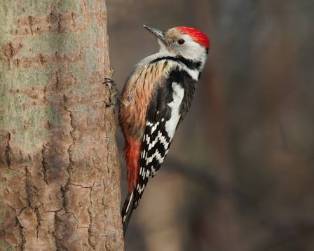
Woodpeckers possess a remarkable set of sensory adaptations and physical characteristics that allow them to thrive in forested environments. While many birds rely primarily on sight, woodpeckers may locate concealed prey through a combination of auditory cues and an advanced sense of smell. By striking a tree trunk, they can listen for hollow echoes that reveal the tunnels of wood-boring insects—a technique similar to thumping a melon to check for ripeness. Additionally, the audible sounds made by grubs as they feed on wood can be detected by these birds. Unlike many avian species, woodpeckers also have a keen olfactory sense, allowing them to smell the formic acid excreted by termites, bark beetles, and ants, which often carries a scent reminiscent of tart candy.
These birds are also highly adapted for survival in harsh climates. During the winter, tree-foraging birds like woodpeckers do not need to accumulate as much body fat as ground-feeding birds. This is largely because they roost in protective tree cavities overnight and their food sources remain accessible even after heavy snowfall, which would otherwise bury the food of ground-dwelling species. Furthermore, woodpeckers exhibit unique developmental traits; most species hatch completely naked, lacking the soft down feathers common in other newborn birds.
Comparing the Downy and Hairy Woodpeckers
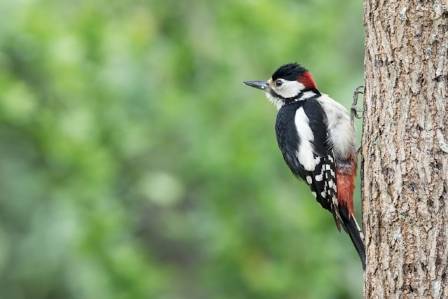
Distinguishing between the Hairy Woodpecker and the Downy Woodpecker can be a challenge for enthusiasts, but specific physical proportions offer clear clues. The Hairy Woodpecker features a sturdy, chisel-like bill that is notably long, often matching the width of the bird's head. In contrast, the Downy Woodpecker possesses a much shorter beak that is typically only half as long as the width of its head. While the Hairy Woodpecker primarily consumes ants and beetle larvae, it is known to have a "sweet tooth," occasionally drinking from hummingbird feeders, sugar cane, or the sap wells created by sapsuckers.
The Downy Woodpecker holds the title of the smallest woodpecker in North America, measuring only six inches in length. Interestingly, their size varies by geography due to thermoregulation needs; in colder regions like Alaska, Downy Woodpeckers are roughly 12 percent larger than those found in Florida. This larger body mass helps them retain heat more effectively in frigid environments. This species was first officially documented in 1766 by the famous biologist Carolus Linnaeus.
Social Dynamics and Physical Adaptations
Research into the Downy Woodpecker has revealed intricate social and physical nuances. Every individual bird possesses a unique feather pattern on the back of its head, which may serve as a visual fingerprint for individual recognition within the species. Scientific studies have also confirmed that these birds use the presence or absence of a red head patch to distinguish between males and females. Within their social hierarchy, males are typically dominant, securing the most desirable feeding locations and defending them against females.
Gender also plays a role in the physical structure and foraging habits of the Downy Woodpecker. Females tend to have slightly longer tails than males. This anatomical difference is likely due to their foraging preferences; while males often hunt on smaller horizontal branches, females spend more time on vertical tree trunks. A longer tail provides a more effective brace against the bark, supporting the female during her vertical climbs. Whether through complex social structures or specialized sensory abilities, these birds remain some of the most resilient and fascinating visitors to the backyard habitat.
More along this branch
LEAF · en

Ten Fascinating Truths About Bottlenose Dolphins
Bottlenose dolphins are among the most celebrated and energetic inhabitants of the ocean. These intelligent marine mammals are famous for their playful behavior and remarkable physical abilities. From their social structures to their advanced navigation techniques, there is much to discover about these "splash-tastic" sea creatures.
LEAF · en

Dolphins: The Carnivorous Maestros of the Oceans
Dolphins, celebrated for their playful and inquisitive nature, are widely regarded as some of the most intelligent beings on our planet. With a staggering 42 diverse species, these marine marvels exhibit variations in size, behavior, and dietary preferences depending on their geographical habitat and the availability of prey. This exploration delves into the intriguing dietary habits of dolphins, focusing on a fundamental query: Are dolphins truly carnivores? If you've ever pondered the culinary inclinations of these charismatic creatures, you're in the right place!
LEAF · en

10 Best Cities to Visit in Winter
Winter is a season that many places avoid, but in some cities it turns the urban environment into something magical. The article highlights ten cities around the world that shine in wintertime — whether because of snow-covered architecture, festive lights, unique seasonal events, or simply a change of atmosphere.
LEAF · en

Guinea Pig Care for Pet Owners
Owning a guinea pig means understanding the daily care requirements that help maintain its health, happiness, and comfort. This guide was created to provide guinea pig owners with useful information about suitable housing, bedding materials, nutrition, water needs, and other important care considerations. By learning about these essential needs, owners can make better choices and create a safe and healthy living environment for their pets.
LEAF · en
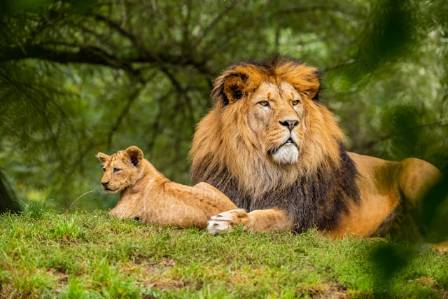
5 Things You Need To Know About Lions
The lion (Panthera leo), a member of the feline family (Felidae), is a powerfully built creature, second in size only to the tiger. Renowned as an apex predator, it exists without natural enemies.
LEAF · en

The World's Most Dramatic Sea Cliffs
Towering sea cliffs offer some of the world's most spectacular viewpoints, combining dramatic scenery with the thrilling sensation of standing at the edge of the earth.