Grove read
What’s the biggest gorilla ever recorded?
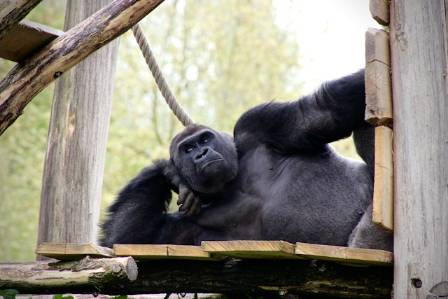
The question of which gorilla is the largest ever documented is one that fascinates many wildlife enthusiasts. Among the most famous examples is Titus (24 August 1974 – 14 September 2009), a silverback mountain gorilla that lived in the Virunga Mountains and was widely regarded as one of the most notable gorillas ever recorded.
Leander Shaw
Margin note
Reading tip
The full digest continues below among botanical margin notes.
Grove
Olive Digests
The question of which gorilla is the largest ever documented is one that fascinates many wildlife enthusiasts. Among the most famous examples is Titus (24 August 1974 – 14 September 2009), a silverback mountain gorilla that lived in the Virunga Mountains and was widely regarded as one of the most notable gorillas ever recorded.
Gorilla Species and Subspecies
There are two recognized gorilla species in the world, with each species divided into two subspecies. The Western gorilla includes the western lowland gorilla and the Cross River gorilla, while the Eastern gorilla consists of the mountain gorilla and the eastern lowland gorilla.
These four subspecies vary in body size as well as several other physical characteristics. All of them inhabit the tropical and subtropical forests of Africa and face serious threats from habitat destruction. Conservation organizations, including the Wildlife Conservation Society, continue working to improve protection efforts across the continent.
Mountain gorillas are unique among the four subspecies because they have not been successfully maintained outside their natural environment. The other three subspecies are capable of surviving in captivity.
Eastern Gorillas Are Larger
In general, Eastern gorillas are larger than their Western counterparts. Among them, the eastern lowland gorilla is considered the largest gorilla subspecies.
Eastern lowland gorillas live in the tropical rainforests of Kahuzi Biega National Park in the eastern Democratic Republic of the Congo. Their environment consists largely of forested lowland areas.
Physical Features of Eastern Lowland Gorillas
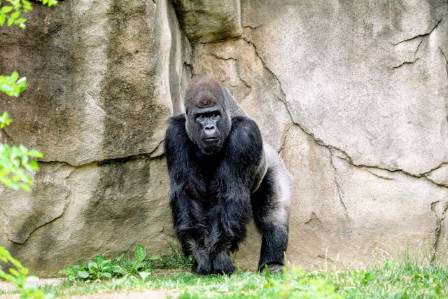
Eastern gorillas have several physical characteristics that distinguish them from other gorillas. They generally have heavier, more compact bodies, relatively large hands, and shorter muzzles.
Like other members of the gorilla family, eastern lowland gorillas possess large heads, powerful and elongated arms, broad chests, and wide shoulders. These features give them the strong, muscular appearance commonly associated with adult gorillas.
How Large Can an Eastern Lowland Gorilla Become?
The eastern lowland silverback represents the largest body size among gorillas. Adult male eastern lowland gorillas can reach weights of approximately 204 to 250 kilograms.
Females are considerably lighter, with their average body weight being about half that of adult males. Adult Eastern gorillas generally reach around 1.7 meters in height for males and approximately 1.6 meters for females.
One exceptionally tall gorilla was measured at 1.95 meters in height. It had an arm span of approximately 2.7 meters and a chest circumference of about 1.98 meters. Sadly, this 219-kilogram silverback was killed in 1938 near Lake Kivu.
The Heaviest Gorilla Ever Recorded
The heaviest gorilla ever documented reportedly weighed 263 kilograms. This exceptionally large animal was killed in Cameroon, Africa.
Gorillas can become even heavier under human care. Adult males kept in captivity have been known to reach weights of up to approximately 300 kilograms.
Declining Eastern Lowland Gorilla Population
During the 1990s, the population of eastern lowland gorillas was estimated at around 17,000 individuals. Since then, their numbers have reportedly fallen by approximately 50%, placing the subspecies under serious conservation pressure.
Several factors have contributed to this decline, including habitat destruction, climate change, poaching, and local civil conflicts. The loss and fragmentation of forest habitat are particularly damaging because these animals depend heavily on intact tropical forests for food, shelter, and survival.
Natural Predators and Other Threats
Although adult gorillas are extremely powerful animals, they can still face threats from predators. Leopards, in particular, have occasionally been reported attacking gorillas in the forest.
Despite their strength, Eastern lowland gorillas remain vulnerable because many of the greatest dangers they face come from human activities and environmental changes. Protecting their forest habitat and reducing illegal hunting are therefore important parts of ongoing gorilla conservation efforts.
More along this branch
LEAF · en

What are the characteristics of the latest plum blossom
Plum blossom refers to a flowering tree belonging to the genus Prunus in the Rosaceae family. In some contexts, the term may also describe the fruit (plum) or the flower itself (plum blossom). It typically blooms during late winter and early spring and is traditionally recognized as one of the “Four Gentlemen” alongside orchid, bamboo, and chrysanthemum.
LEAF · en

The Anchor Point: Mastering King-Size Bed Styling for Every Aesthetic
In the realm of interior design, the king-size bed is more than furniture; it is the gravitational center of the master bedroom. A well-appointed king bed anchors the space, dictating the room’s aesthetic and setting the tone for rest and rejuvenation. Whether you are cultivating a serene minimalist retreat or a bold modern sanctuary, these styling strategies will help you harness the full potential of your space with confidence and flair.
LEAF · en

Essential Horse Care: A Comprehensive Guide for Responsible Ownership
Owning a horse is a deeply fulfilling journey that blends companionship, adventure, and stewardship—yet it demands unwavering commitment, time, and resources. Horses have been cherished by humans for millennia, serving as partners in work, sport, and leisure, and today they thrive as pleasure riding companions, competition athletes, or beloved pets. However, this bond comes with significant responsibilities: horse ownership is a long-term commitment (often spanning 25–30 years, the average lifespan of a horse), requires daily care and attention, and entails substantial financial investment in feed, healthcare, and facilities. Legally, owners are obligated to meet their horse’s basic welfare needs, including adequate nutrition, water, shelter, exercise, social interaction, and prompt medical care. Additionally, in regions like Victoria, Australia, owners keeping horses on their property or agisting (boarding) horses must obtain a Property Identification Code (PIC) to ensure traceability and compliance with animal welfare regulations. Embracing these responsibilities not only safeguards the horse’s health and happiness but also deepens the trust and connection between owner and equine companion.
LEAF · en

Top 11 Health Benefits of Kiwi Fruit
Kiwi fruit are small, plum-sized berries with fuzzy brown skin, bright green (or less common golden) flesh, and tiny black seeds, produced by woody vines of the Actinidia species. While most people only eat the flesh, the edible skin is growing in popularity for its extra nutritional value. These vibrant fruits pack a powerful punch of nutrients and phytochemicals, making them a standout addition to a healthy diet—whether enjoyed on their own, in smoothies, or as part of savory and sweet recipes.
LEAF · en

What causes ocean waves?
A visit to the seaside often brings images of sunshine, salty air, and waves rolling toward the shore. Surfers use them for riding, children splash through them, and swimmers dive beneath them. But these constantly moving patterns of water have a fascinating origin. So, what exactly creates waves?
LEAF · en

Understanding What a Latte Is
A latte is one of the most popular coffee drinks in the world, known for its smooth, mild flavor and creamy texture. Coffee itself is incredibly versatile, with many different preparation styles that highlight different aspects of the coffee bean.