Grove read
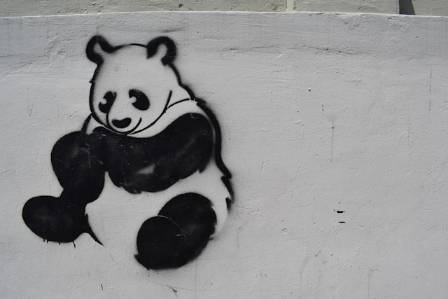
Learn to Draw a Giant Panda
Giant pandas are beloved animals, instantly recognizable by their black-and-white coloring, round bodies, and unique facial markings. If you’ve ever wanted to draw a panda, this guide will take you through the process in five simple steps. Along the way, you’ll learn key features that make pandas look realistic and fun facts about their anatomy to add authenticity to your artwork.
Dakota Flynn
Margin note
Reading tip
The full digest continues below among botanical margin notes.
Grove
Olive Digests
Giant pandas are beloved animals, instantly recognizable by their black-and-white coloring, round bodies, and unique facial markings. If you’ve ever wanted to draw a panda, this guide will take you through the process in five simple steps. Along the way, you’ll learn key features that make pandas look realistic and fun facts about their anatomy to add authenticity to your artwork.
Why Drawing a Panda is Fun
Pandas are playful, adorable, and simple to sketch, making them perfect for beginners. Learning to draw a panda helps improve your observation skills, attention to detail, and patience. Even if you’ve never drawn animals before, you can create a charming panda with just a few basic shapes.
Materials You’ll Need
Pencil (any kind will work, a standard #2 is ideal)
Eraser for correcting mistakes
Paper (printer paper works fine)
Black and white coloring supplies (colored pencils, markers, or crayons)
Optional: fine-tip black pen or marker for outlining

Step 1: Draw the Basic Body Shape
Start with a large oval for the body, slightly tilted to one side. Make the bottom of the oval wider than the top to create a pear-shaped body. This shape is more realistic than a perfect circle and reflects the panda’s rounded back and broad shoulders.
Next, draw a circle on top for the head. The head should be about one-third the size of the body. Slight imperfections are fine — panda faces are not perfectly circular.
Tip: Keep the body shape pear-like, not completely round. It gives your drawing a natural, realistic look.
Step 2: Add the Ears and Legs
Ears: Draw two small rounded shapes on top of the head. Panda ears are circular and stick out slightly to the sides. Keep them relatively small compared to the head.
Front Legs: Draw two thick, curved shapes extending down from the upper body. Panda front legs are strong and muscular.
Back Legs: Sketch two larger shapes at the lower sides of the body. When sitting, pandas’ back legs spread outward.
Feet: Draw flat, rounded feet with 3–4 toes for realism.
Tip: The front legs are mostly black from shoulder to paw, while the back legs often show a mix of black and white.
Step 3: Draw the Face Details
Eye Patches: Draw two tilted ovals around the eyes. They should slope slightly downward toward the nose. Eye patches are unique to each panda.
Eyes: Draw small circles inside each patch with a tiny highlight to make the eyes look shiny and alive.
Nose: Add a small dark triangle or rounded diamond below the eyes.
Mouth: Draw a small curved line beneath the nose. This gives your panda a gentle, friendly expression.
Tip: Panda eye patches act like natural identifiers — no two pandas have identical markings.
Step 4: Add Features That Make It Realistic
Pseudo-Thumb: Draw a small bump on the inside of each front paw to represent the panda’s special wrist bone, which helps it hold bamboo.
Black “Vest” Pattern: Color the shoulders and front legs black. This black fur often wraps across the upper back like a vest. The belly and lower back remain white.
Fur Texture: Use short, light strokes along the edges of the body to suggest thick, shaggy fur.
Nose Details: Add tiny dots above the nose to represent nostrils.
Optional Bamboo: Draw a bamboo stalk in one paw, held diagonally, with a few leaves at the top. Pandas usually hold bamboo at an angle, not straight up.
Tip: Adding curved lines to the back and shoulders can suggest the panda’s thick, slightly water-resistant fur.
Step 5: Color Your Panda
Black Areas:
Ears
Eye patches
Shoulders and front legs (“vest”)
Back legs from hip down
White Areas:
Face (except eye patches and nose)
Belly and chest
Lower body
Details:
Color the nose dark gray or black
Add a touch of pink inside the ears
Leave a small white highlight in each eye
Color the bamboo green if included
Common Mistakes to Avoid
Making eye patches perfectly round — they should slope toward the nose.
Drawing pointy ears — panda ears are small and rounded.
Coloring the entire body black — only certain areas are black.
Forgetting the pseudo-thumb — it’s a key detail that makes your panda anatomically correct.
Holding bamboo straight — pandas eat it at an angle.
Show Off Your Panda
Once your drawing is complete, you can:
Hang it on your wall or refrigerator
Take a photo and share it with friends or family
Give it as a gift to a panda lover
Start a panda drawing series — try drawing baby pandas, pandas climbing trees, or pandas eating bamboo
Drawing Challenges
Baby Panda: Draw a smaller panda with a larger head and shorter legs.
Action Panda: Illustrate a panda climbing, rolling, or napping.
Panda Family: Draw a group of pandas with slightly different eye patches to show individuality.
Every panda you draw is unique — just like real pandas! Keep practicing, and each one will get better than the last.

More along this branch
LEAF · en

Healthy Salmon Recipes for Weight Loss That You’ll Love
Salmon is not only flavorful but also packed with nutrients. It provides high-quality protein, omega-3 fatty acids, vitamins, and essential minerals. But how can you turn it into a meal that is both tasty and nutritious?
LEAF · en
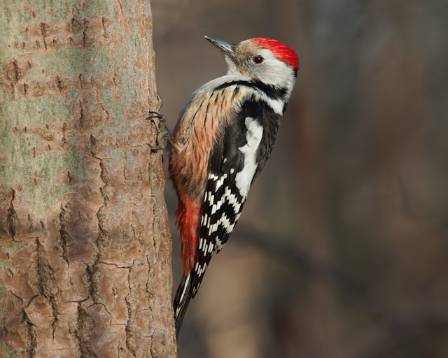
Fascinating Biological Traits and Behaviors of Woodpeckers
Woodpeckers possess a remarkable set of sensory adaptations and physical characteristics that allow them to thrive in forested environments. While many birds rely primarily on sight, woodpeckers may locate concealed prey through a combination of auditory cues and an advanced sense of smell. By striking a tree trunk, they can listen for hollow echoes that reveal the tunnels of wood-boring insects—a technique similar to thumping a melon to check for ripeness. Additionally, the audible sounds made by grubs as they feed on wood can be detected by these birds. Unlike many avian species, woodpeckers also have a keen olfactory sense, allowing them to smell the formic acid excreted by termites, bark beetles, and ants, which often carries a scent reminiscent of tart candy.
LEAF · en
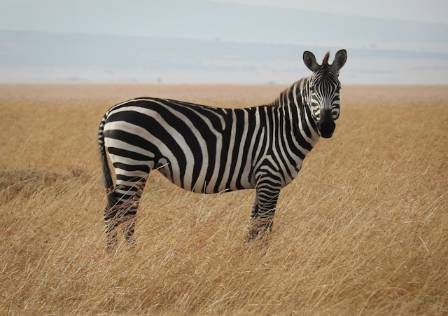
Stripe Thought: The World’s 8 Most Amazing Zebras
Zebras are famous for their distinctive “barcode” coats, but look a little closer and you will discover that these remarkable African equids are far more diverse than their black-and-white appearance suggests.
LEAF · en

The Solar Dance of Sunflowers: Unveiling the Secrets of Heliotropism
Sunflowers, those captivating specimens of nature, unveil a dynamic aspect of plant life, challenging the notion of their static existence. Unlike the perception of plants as immobile entities, these particular flowers actively orient themselves toward the sun, tracing its journey from the eastern horizon to its western descent.
LEAF · en
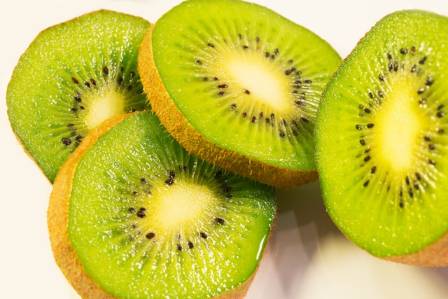
Top 11 Health Benefits of Kiwi Fruit
Kiwi fruit are small, plum-sized berries with fuzzy brown skin, bright green (or less common golden) flesh, and tiny black seeds, produced by woody vines of the Actinidia species. While most people only eat the flesh, the edible skin is growing in popularity for its extra nutritional value. These vibrant fruits pack a powerful punch of nutrients and phytochemicals, making them a standout addition to a healthy diet—whether enjoyed on their own, in smoothies, or as part of savory and sweet recipes.
LEAF · en
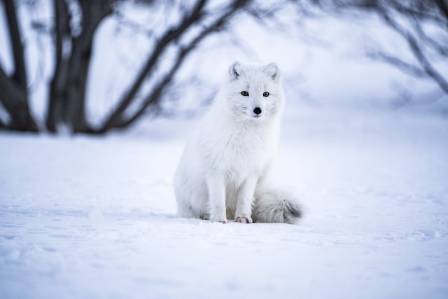
Rare Discovery in Bavaria: The Snow-White Fox and the Science of Leucism
A recent rare sighting in Bavaria stirred excitement among nature lovers and experts alike: near Munich, a nature photographer encountered a completely white fox at dusk—a striking anomaly that sparked curiosity about its unusual appearance. This article delves into the story behind the discovery, the biological phenomenon that causes white fur in red foxes, and why similar traits appear in other animals.