Sea Otter Protection: A Key to Mitigating Climate Change Impacts on Arctic Marine Ecosystems

Grove read

Sea Otter Protection: A Key to Mitigating Climate Change Impacts on Arctic Marine Ecosystems

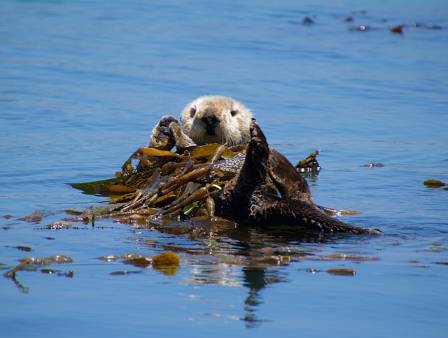
A groundbreaking study published in Science on September 11, 2020, reveals a critical link: the drastic decline of sea otter populations off Alaska’s Aleutian Islands since the 1990s has amplified climate change’s destructive effects on the region’s widespread calcareous algae reefs. Led by marine biologist Dr. Douglas Rasher from the Bigelow Laboratory for Ocean Science, the international research team—including scientists from GEOMAR Helmholtz Centre for Ocean Research Kiel—documented how the loss of this keystone predator, combined with ocean warming and acidification, threatens the survival of complex coastal ecosystems. GEOMAR’s expertise in uranium-thorium limestone dating was instrumental in supporting the study’s detailed ecological reconstructions.

M

Mia

Margin note

Reading tip

The full digest continues below among botanical margin notes.

Grove

Olive Digests


A groundbreaking study published in Science on September 11, 2020, reveals a critical link: the drastic decline of sea otter populations off Alaska’s Aleutian Islands since the 1990s has amplified climate change’s destructive effects on the region’s widespread calcareous algae reefs. Led by marine biologist Dr. Douglas Rasher from the Bigelow Laboratory for Ocean Science, the international research team—including scientists from GEOMAR Helmholtz Centre for Ocean Research Kiel—documented how the loss of this keystone predator, combined with ocean warming and acidification, threatens the survival of complex coastal ecosystems. GEOMAR’s expertise in uranium-thorium limestone dating was instrumental in supporting the study’s detailed ecological reconstructions.

The Aleutian Ecosystem: Calcareous Reefs, Kelp Forests, and a Delicate Food Web

The Aleutian archipelago’s coastal ecosystems are defined by expansive kelp forests that grow atop reefs formed by the calcifying red alga Clathromorphum nereostratum. This delicate system relies on a balanced food web: sea urchins feed on Clathromorphum, while sea otters—natural predators of sea urchins—keep their populations in check. For decades, this dynamic sustained healthy kelp forests and robust calcareous reefs, which provide habitat for countless marine species. However, human-driven changes have disrupted this balance, pushing the ecosystem toward collapse.

Sea Otter Decline: Unleashing a Cascade of Destruction

By the 1990s, sea otter populations in the region had plummeted to levels where they could no longer fulfill their role as top predators. This absence triggered a population explosion of sea urchins, which first decimated the dense kelp forests and then turned their attention to the Clathromorphum reefs—their primary food source. This is not the first time sea urchin numbers have surged: intensive fur hunting of sea otters in the 1700s and 1800s led to a similar spike, but the calcareous reefs endured. Today, however, the combination of unchecked urchin grazing and climate change has created an unprecedented threat to the reefs’ survival.

Climate Change: Weakening Reefs and Amplifying Grazing Damage

Ocean warming and acidification—driven by rising atmospheric carbon dioxide—have compounded the crisis by weakening Clathromorphum’s defensive structure. The alga produces a limestone skeleton that normally shields it from predators, but climate change makes calcification harder: warmer, more acidic seawater impairs the alga’s ability to build and maintain this protective layer. “This critical species has now become highly vulnerable to urchin grazing—right as urchin abundance is peaking,” Dr. Rasher explains. “It’s a devastating combination.” Unlike the 18th and 19th century urchin boom, modern grazing has become far more lethal due to these climate-induced vulnerabilities.

GEOMAR’s Role: Dating Limestone to Unlock Ecological History
To reconstruct the ecosystem’s past and quantify long-term changes in grazing pressure, the team turned to Clathromorphum’s growth patterns. Like tree rings, the alga adds a new layer to its limestone skeleton each year, creating annual bands that record grazing intensity over time. GEOMAR scientists used the uranium-thorium dating method to analyze these limestone samples, establishing a precise chronology of reef development and grazing activity. “Such comprehensive ecosystem reconstructions are only possible when multiple disciplines and analytical methods converge,” notes GEOMAR physicist Dr. Jan Fietzke. The collaboration between GEOMAR and North American researchers—built over years of partnership—was critical to linking historical trends with contemporary climate impacts.

A Ray of Hope: Protecting Keystone Predators to Stabilize Ecosystems

The study’s findings highlight a rarely studied connection: human impacts on climate and large predator populations often interact to disrupt ecosystems, yet these processes are rarely analyzed together. While global efforts to reduce carbon emissions remain the most urgent action to combat ocean warming and acidification, the research offers a regional solution: protecting keystone species like sea otters can help stabilize entire ecosystems. By restoring sea otter populations to sustainable levels, we can rebalance the food web, curbing excessive sea urchin grazing and giving calcareous reefs a fighting chance against climate change’s effects.

Conclusion: Interconnected Solutions for Marine Conservation
The Aleutian Islands’ crisis underscores the interconnectedness of species, climate, and ecosystems. Sea otters—once dismissed as mere fur-bearing animals—are revealed as vital stewards of coastal health, their presence mitigating climate change’s worst impacts on reefs and kelp forests. GEOMAR’s role in this research demonstrates the value of cross-disciplinary collaboration and advanced analytical techniques in understanding complex ecological shifts. As the planet warms, protecting keystone predators emerges not just as a conservation measure, but as a practical strategy to enhance ecosystem resilience. The study serves as a reminder: safeguarding biodiversity and combating climate change are not separate goals—they are two sides of the same coin, essential to preserving the ocean’s delicate balance.

More along this branch

LF

LEAF · en

Raccoons: Clever Survivors of the Wild and Urban World

Raccoons: Clever Survivors of the Wild and Urban World

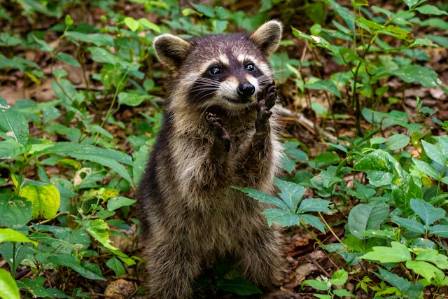
The raccoon (Procyon lotor) is classified among the carnivores, a mammalian group traditionally made up of animals that primarily consume meat. However, many members of this group are also capable of eating berries, fruits, vegetables, eggs, acorns, beech and hickory nuts, grains, grasses, and bark when other food sources are scarce. Carnivorous mammals have five toes and prominent canine teeth. Raccoons are omnivores, and the proportion of plant and animal foods they consume changes according to the season and what is available in their surroundings.

LF

LEAF · en

Top 11 Health Benefits of Kiwi Fruit

Top 11 Health Benefits of Kiwi Fruit

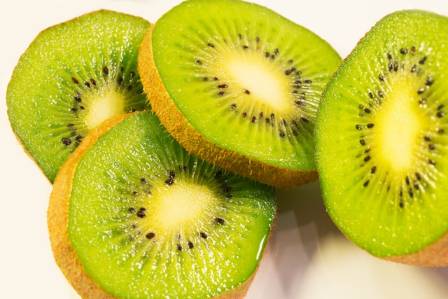
Kiwi fruit are small, plum-sized berries with fuzzy brown skin, bright green (or less common golden) flesh, and tiny black seeds, produced by woody vines of the Actinidia species. While most people only eat the flesh, the edible skin is growing in popularity for its extra nutritional value. These vibrant fruits pack a powerful punch of nutrients and phytochemicals, making them a standout addition to a healthy diet—whether enjoyed on their own, in smoothies, or as part of savory and sweet recipes.

LF

LEAF · en

Dolphins: The Carnivorous Maestros of the Oceans

Dolphins: The Carnivorous Maestros of the Oceans

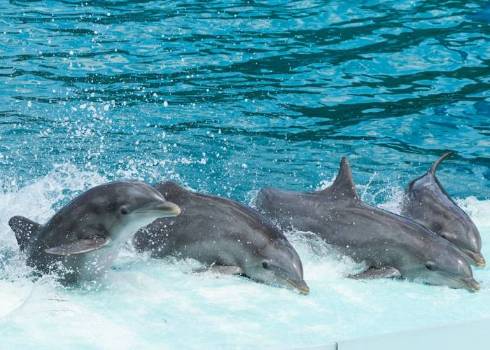
Dolphins, celebrated for their playful and inquisitive nature, are widely regarded as some of the most intelligent beings on our planet. With a staggering 42 diverse species, these marine marvels exhibit variations in size, behavior, and dietary preferences depending on their geographical habitat and the availability of prey. This exploration delves into the intriguing dietary habits of dolphins, focusing on a fundamental query: Are dolphins truly carnivores? If you've ever pondered the culinary inclinations of these charismatic creatures, you're in the right place!

LF

LEAF · en

The Most Storied Waterway: The Grand Canal of Venice

The Most Storied Waterway: The Grand Canal of Venice

Venice’s Grand Canal is more than a waterway; it is the city’s rhythm and frame. Splitting the lagoon-city into two living halves, this ancient artery has seen centuries of trade, architecture, and daily life unfold on the water. From its tidal rhythm to its palatial facades, the Grand Canal remains a timeless stage where history and modern motion meet.

LF

LEAF · en

The 10 Best Sailing Adventures Around the Globe

The 10 Best Sailing Adventures Around the Globe

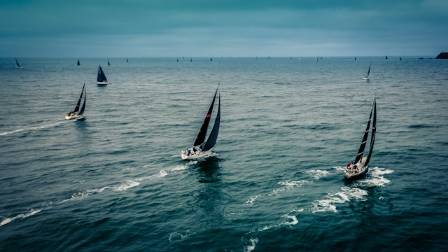
Sailing has always captured the spirit of exploration, sending travelers across oceans with nothing but the wind in their sails. Today, setting out on the water is far less perilous than in the days of early explorers, but no less thrilling. From icy southern seas to turquoise tropical lagoons, these ten sailing destinations promise unforgettable adventures on the open ocean.

LF

LEAF · en

The Canada Goose Uncovered

The Canada Goose Uncovered

Soaring gracefully through the sky or casually grazing on a city lawn, the Canada goose is one of North America’s most captivating waterfowl.