Grove read
Exploring the Life of Toucans
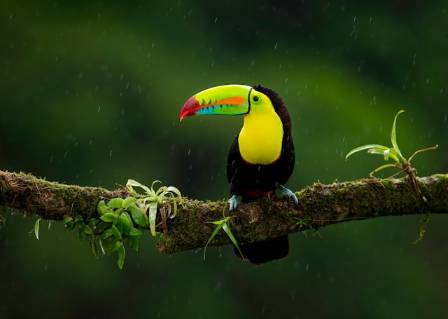
Toucans, instantly recognized for their large, colorful beaks, are among the most iconic birds of the neotropical regions of the Americas. Beyond their striking appearance, they are important members of their ecosystems and boast an intriguing natural history. This guide explores the life of toucans, from their biology and behavior to their habitats and cultural significance.
Jaxon Reed
Margin note
Reading tip
The full digest continues below among botanical margin notes.
Grove
Olive Digests
Toucans, instantly recognized for their large, colorful beaks, are among the most iconic birds of the neotropical regions of the Americas. Beyond their striking appearance, they are important members of their ecosystems and boast an intriguing natural history. This guide explores the life of toucans, from their biology and behavior to their habitats and cultural significance.
What is a Toucan?
Toucans belong to the bird family Ramphastidae, which includes roughly 40 species native to Central and South America. They vary in size, coloration, and preferred habitats. Typically medium to large, these birds measure between 11 and 25 inches long. While their oversized beaks are their most famous feature, they are surprisingly light, made of a spongy bone structure covered in keratin.
Habitat and Range
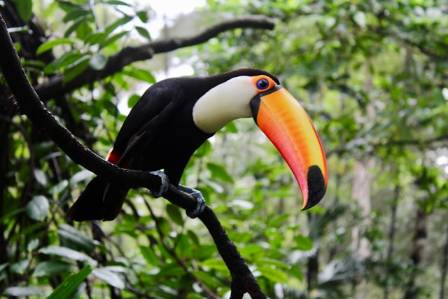
Toucans are exclusive to the New World, inhabiting tropical rainforests, woodlands, and savannas from southern Mexico down to northern Argentina. They favor humid environments where fruits are abundant. Different species prefer different forest types or elevations. For instance, the Chestnut-eared Aracari is often found in open woodlands, whereas the Toco Toucan thrives in dense rainforest canopies.
Diet and Feeding
Though their large bills may look intimidating, toucans primarily feed on fruit. Their beaks allow them to reach and manipulate fruits that other birds might miss. They also occasionally eat insects, small reptiles, eggs, and even small birds. Often, toucans forage in flocks, moving through treetops in search of ripe fruit. By spreading seeds as they feed, they play a key role in maintaining forest health and biodiversity.
Evolutionary Background
Toucans’ evolutionary history is still being studied. Fossil evidence suggests their ancestors were more generalized birds, gradually evolving the oversized bill to reach fruit high in the rainforest canopy. Toucans are thought to be related to woodpeckers and barbets. Fossils have provided insight into how their unique features developed over millions of years.
Reproduction and Nesting
Toucans generally form monogamous pairs that last for multiple breeding seasons. They nest in tree cavities, often using old woodpecker holes or natural hollows. While they don’t construct elaborate nests, they may line the cavity with wood chips or leaves. A typical clutch contains 2–4 eggs, which both parents incubate for roughly 16–20 days. Hatchlings, called chicks, are altricial—they are born helpless and require extensive care before they fledge.
Ecological Role
Toucans are essential for tropical ecosystems. As frugivores, they disperse seeds that help regenerate forests and even assist in pollination. They interact with other species, including monkeys, parrots, and insects, sometimes competing for food but often benefiting from the presence of others. Predators include birds of prey, snakes, and mammals.
Toucans in Human Culture
Humans have long admired toucans for their beauty and vibrant colors. Indigenous peoples of Central and South America often include toucans in art, mythology, and folklore. Today, they are popular subjects for photography and ecotourism. Unfortunately, hunting for feathers or capture as pets poses a threat to some populations.
Observing Toucans in the Wild
If visiting a tropical rainforest, spotting a toucan is a rare treat. The fruiting season is the best time to see them actively foraging in the canopy. Binoculars are helpful for distant observation. It’s important to watch from afar and avoid disturbing their natural behavior.
Toucans in Captivity
Caring for toucans in captivity requires experience and specialized resources. They need spacious enclosures resembling their natural habitats and a diverse diet of fruits, insects, and other foods. Enrichment activities, proper nesting sites, and veterinary care are critical to their health. Without proper care, toucans can develop behavioral and health issues.
Conservation and Threats
While many toucan species are classified as Least Concern, habitat loss, hunting, and the pet trade threaten some populations. Deforestation is the biggest threat, eliminating the forests they rely on for food and shelter. Conservation efforts are essential to protect their habitats, control hunting, and reduce illegal trade.
Interesting Toucan Facts
Toucans can regulate blood flow in their bills to control body temperature.
Their large bills are light due to a spongy internal structure.
They use their bills to reach fruits inaccessible to other birds.
Toucans can sleep with their heads tucked under their wings.
Different species have unique calls for communication.
They are vital for seed dispersal, which sustains forest ecosystems.
The Future of Toucans
Toucans are not only visually striking but also crucial for the survival of tropical forests. Protecting their habitats and supporting conservation initiatives will ensure these vibrant birds continue to thrive for future generations. Promoting sustainable practices and reducing human impacts can help toucans flourish and preserve the biodiversity of their ecosystems.
More along this branch
LEAF · en

The Anchor Point: Mastering King-Size Bed Styling for Every Aesthetic
In the realm of interior design, the king-size bed is more than furniture; it is the gravitational center of the master bedroom. A well-appointed king bed anchors the space, dictating the room’s aesthetic and setting the tone for rest and rejuvenation. Whether you are cultivating a serene minimalist retreat or a bold modern sanctuary, these styling strategies will help you harness the full potential of your space with confidence and flair.
LEAF · en

Maple Leaves in Full Fall Foliage Colors
Autumn is one of my favorite seasons, and it is also the best time of year for photography. I have mentioned before how disappointing it can be when fall arrives and the leaves show little color or the display is almost completely missing.
LEAF · en

Latte – Everything You Need To Know
A caffè latte is a popular coffee beverage made by combining espresso with milk and finishing it with a thin, smooth layer of foam. Although the ingredients are simple, the result is a drink that tastes balanced and feels silky on the palate.
LEAF · en
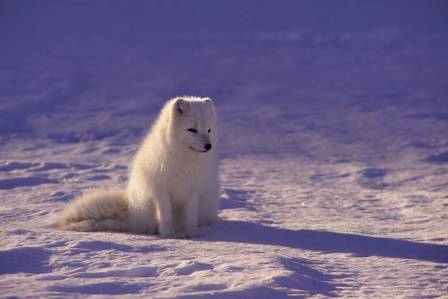
Eleven Reasons Arctic Foxes Are the Coolest
While researching Polar: Wildlife at the Ends of the Earth, I discovered countless fascinating animals, but arctic foxes have always been particularly special to me. Part of the reason is personal: I spent six years studying these foxes, along with wolves, during my PhD research. The other reason is much simpler—arctic foxes are truly remarkable animals. Here are some of the things that make them so impressive.
LEAF · en

Annular Solar Eclipses: The “Ring of Fire” in the Sky
An annular solar eclipse is a rare and striking type of eclipse. It occurs when the Moon moves directly in front of the Sun but does not fully cover it. Instead, a bright outer ring of sunlight remains visible around the Moon’s silhouette. This glowing circle is known as an annulus, often described as a dramatic “ring of fire.”
LEAF · en

The Canada Goose Uncovered
Soaring gracefully through the sky or casually grazing on a city lawn, the Canada goose is one of North America’s most captivating waterfowl.