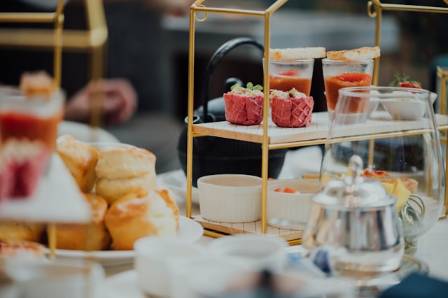
Grove read
The Evolution and History of Afternoon Tea
Tea has been enjoyed in England since the mid-1600s, but the elegant ritual of afternoon tea developed later with its own fascinating history. From aristocratic drawing rooms in the Victorian era to the delicate sandwiches and pastries we enjoy today, this tradition has evolved into a cherished cultural practice. Let’s trace its origins and see how it became so iconic.
Scarlett Blake
Margin note
Reading tip
The full digest continues below among botanical margin notes.
Grove
Olive Digests
Tea has been enjoyed in England since the mid-1600s, but the elegant ritual of afternoon tea developed later with its own fascinating history. From aristocratic drawing rooms in the Victorian era to the delicate sandwiches and pastries we enjoy today, this tradition has evolved into a cherished cultural practice. Let’s trace its origins and see how it became so iconic.
Tea first arrived in England during the 1650s, introduced by Dutch traders importing it from China. One of the earliest documented mentions comes from Thomas Garway, who began selling tea in 1657 at his coffeehouse in Exchange Alley in London. At the time, tea was so unfamiliar that he even published a pamphlet explaining what it was and why people should drink it.
Initially, tea was mainly consumed in coffeehouses by businessmen in the financial district near the Bank of England. However, its popularity surged in 1662 when Catherine of Braganza married Charles II. Bringing her love of tea from Portugal, she introduced it to the royal court, where it quickly became fashionable among the aristocracy. From there, tea spread throughout society, transforming from a luxury novelty into an everyday social drink.
Despite tea’s early popularity, the custom of afternoon tea did not appear until nearly two centuries later. In the early 1800s, upper-class Britons typically ate lunch around midday but didn’t dine again until late evening, often around 9 p.m. This long gap left many feeling hungry by late afternoon.
The solution came from Anna Maria Russell, a close companion of Queen Victoria. Around 1840, she began requesting a light tray of tea, bread, butter, and cakes in the late afternoon to ease her hunger. What started as a personal habit soon became a social ritual. She began inviting friends to join her, turning a simple snack into a fashionable gathering—complete with elegant tableware, conversation, and refined etiquette.
While some historians argue that light afternoon refreshments already existed before her time, the Duchess is widely credited with shaping the structured tradition we recognize today.
Even earlier literary hints suggest the idea of afternoon tea was already taking root. In The Watsons, Jane Austen includes a scene where tea is offered after an outing and before dinner. Though not yet a formal event, it reflects the growing habit of enjoying tea as a mid-afternoon pause.
By the Victorian era, afternoon tea had evolved into a refined social occasion. It became an opportunity for the upper class to display hospitality, etiquette, and wealth through fine china, elegant linens, and carefully prepared food. By the 1880s, it was a highlight of elite social life. Women would dress in elaborate gowns, gloves, and hats to attend tea gatherings in drawing rooms, gardens, or verandas.
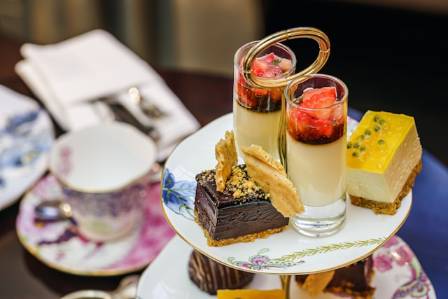
The classic afternoon tea menu from this period remains largely unchanged today. It typically includes three elements: delicate finger sandwiches, warm scones with clotted cream and jam, and an assortment of cakes and pastries. Sandwich fillings often include cucumber, egg mayonnaise, and smoked salmon. Popular teas served alongside these treats include blends such as Earl Grey and Darjeeling.
In the early 20th century, afternoon tea expanded beyond the aristocracy. With industrialisation, increased leisure time, and a growing middle class, tea became more accessible. Tea rooms and cafés opened in cities, offering spaces where people from different backgrounds could gather and socialize.
During the 1920s, tea culture even merged with entertainment, with tea dances featuring live music. However, after World War II, the tradition declined. Changing lifestyles, rationing, and less formal social habits reduced its everyday importance.
In recent years, afternoon tea has experienced a revival. A renewed appreciation for tradition and indulgence has brought it back into popularity. Hotels, restaurants, and tea rooms now offer both classic and modern interpretations, including themed experiences inspired by literature, film, and history.
Today, whether enjoyed in an elegant venue or at home, afternoon tea remains a symbol of relaxation, conversation, and simple pleasure. It shows that even a brief pause in the day—accompanied by tea and a few treats—can be something truly special.
More along this branch
LEAF · en

Types of Ocean Waves
Waves are created when energy moves through water, causing the water particles to travel in a circular pattern. When a floating object meets a passing wave, it may seem as though the object is being pushed forward and lifted upward. However, as the wave moves onward, the object follows an orbital motion and eventually returns to nearly the same place where it started.
LEAF · en
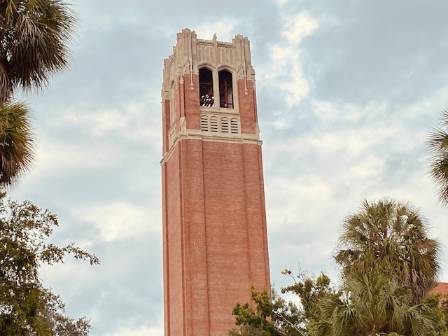
Top 6 Universities with Accomplished and Stunning Female Students
Are you searching for universities with accomplished and stunning female students? Look no further, as several institutions in the USA boast not only attractive but also intelligent, ambitious, and driven women. Explore the top 6 universities where young women showcase their talents in sports, leadership, and various fields.
LEAF · en

3 Enigmatic Mouse Species
In the realm of rodents, a subtle distinction lingers between mice and rats, encapsulating a myriad of differences notwithstanding their shared rodent heritage. A pivotal identifier rests in their size, where rats loom larger and heavier compared to their diminutive mouse counterparts. Enshrined as distinct species, the enigmatic array of mouse varieties beckons for closer scrutiny and exploration. Let us embark on a journey unraveling the tapestry of mouse diversity across different habitats and regions.
LEAF · en
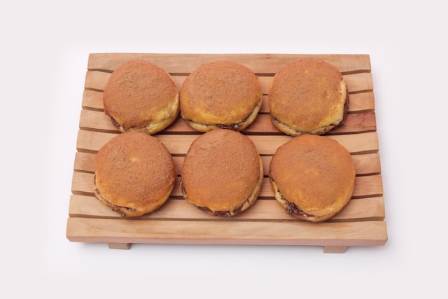
Do you know the most popular Japanese sweet?
It is called “dorayaki” and many fans of the famous cartoon series “Doraemon” know it as the favourite sweet of this curious cosmic cat. Undoubtedly, a sweet that stands out for its shape, its taste and its multiple combinations of flavours, becoming today the most fashionable snack not only in the East but also in the West. At Oriental Market we are pleased to present our new Dorayaki range of flavours, you will want to try them all!
LEAF · en

Five Intriguing Truths Regarding Satellites and Their Orbital Paths
While many view satellites as simple pieces of machinery, their history and operation are filled with fascinating complexities, ranging from early physics theories to "zombie" transmissions. To better understand these technical marvels and the space they occupy, we have compiled several key insights that highlight the unique nature of orbital science.
LEAF · en

The Secrets of the Pink Bird: Surprising Flamingo Discoveries
Beyond their vivid rose-colored plumage, flamingos are among the most distinct and specialized avian species on the planet. From their unique nesting habits to their remarkable physiological adaptations, these birds thrive in environments that would be inhospitable to most other creatures. Understanding the biology and behavior of the flamingo reveals a story of survival, complex social structures, and a highly specialized diet.