
Grove read
How to Buy a Supercar: From Budget to Ownership
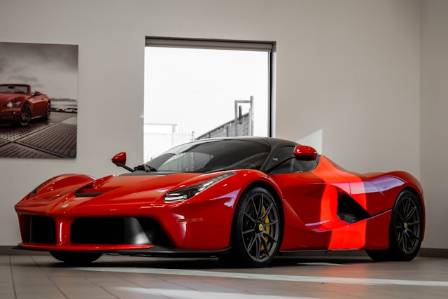
Buying a supercar is not the same as purchasing a standard vehicle. It requires careful planning, financial awareness, and a clear understanding of long-term responsibilities. These machines are more than just fast cars—they are highly engineered works of art built with advanced materials such as carbon fiber, extreme powertrains, and precision aerodynamics. Often produced in limited numbers, they represent the highest level of automotive engineering available for road use. Importantly, the purchase price is only the starting point of the true cost of ownership.
Aurelia Vance
Margin note
Reading tip
The full digest continues below among botanical margin notes.
Grove
Olive Digests
Buying a supercar is not the same as purchasing a standard vehicle. It requires careful planning, financial awareness, and a clear understanding of long-term responsibilities. These machines are more than just fast cars—they are highly engineered works of art built with advanced materials such as carbon fiber, extreme powertrains, and precision aerodynamics. Often produced in limited numbers, they represent the highest level of automotive engineering available for road use. Importantly, the purchase price is only the starting point of the true cost of ownership.
Building a Realistic Supercar Budget
The total cost of owning a supercar goes far beyond the sticker price, requiring a structured financial plan that includes taxes, insurance, and maintenance.
In many regions, buyers face additional luxury taxes or surtaxes applied to high-value vehicles. These fees are often calculated on the portion of the car’s price that exceeds a certain threshold, and they come on top of regular sales or registration taxes. As a result, the final cost can rise significantly beyond the advertised price.
Insurance is another major factor. Supercars typically require “agreed value” insurance policies, where the owner and insurer set a fixed payout value in advance. This ensures full protection in case of total loss, unlike standard insurance that only covers depreciated market value. Depending on usage, coverage may also need to include international travel, high liability limits, or track-day protection, all of which increase annual premiums.
Maintenance costs must also be planned carefully. Owners are often advised to set aside roughly 10–15% of the vehicle’s value each year for upkeep. This covers items such as high-performance tires, brake components, and scheduled servicing. Even basic consumables can be extremely expensive, making a dedicated reserve fund essential for uninterrupted and proper care.

Understanding the Buying Process
Purchasing a supercar involves a specialized market that differs greatly from conventional car buying. New models are often allocated through dealer relationships or application-based systems, while used or rare examples are typically sourced through brokers, auctions, or private sellers.
Having financing pre-approved and being prepared to act quickly can be a major advantage, especially when competing for limited-production vehicles.
One of the most critical steps in buying a pre-owned supercar is the Pre-Purchase Inspection (PPI). Unlike a standard vehicle check, this inspection must be performed by brand specialists using advanced diagnostic tools and proper lifting equipment. It evaluates key components such as clutch wear, brake condition, suspension health, and timing system integrity.
The findings from the inspection become a powerful negotiation tool. If issues are discovered—such as worn carbon-ceramic brakes or upcoming major servicing needs—the buyer can use this information to negotiate a price adjustment. Even if no problems are found, a detailed inspection report reassures both parties and helps accelerate the transaction process.
The Reality of Long-Term Ownership
Owning a supercar requires ongoing commitment, especially when it comes to maintenance schedules and mechanical care.
Unlike standard vehicles, many components degrade over time regardless of mileage. Fluids, belts, and seals often require replacement based on age rather than distance driven. Missing these time-based service intervals can result in severe mechanical damage, sometimes leading to extremely costly repairs.
Servicing these vehicles also requires highly specialized technicians. Only trained experts with access to factory diagnostic systems and proprietary tools can properly maintain these complex machines. In many cases, parts must be ordered internationally, which can extend repair times significantly.
Proper storage is equally important. Supercars should be kept in a controlled environment with stable temperature and low humidity to prevent deterioration of both mechanical and interior components. Battery maintenance using a trickle charger is often necessary due to electronic systems that continuously draw power. Additionally, tire care tools may be used to prevent flat spots during long periods of inactivity.
Maintaining detailed service records is also crucial, as condition history directly influences resale value. Without consistent care, depreciation can be substantial, even for rare or highly desirable models.
Final Perspective
Supercar ownership is as much about responsibility as it is about performance. While these vehicles offer extraordinary speed, design, and engineering excellence, they also demand careful financial planning, specialized maintenance, and long-term commitment.
For those prepared to meet these requirements, owning a supercar can be an unmatched experience—but it is never a casual purchase.
More along this branch
LEAF · en

Why Orange Cats Are So Special?
Orange cats are often described as the friendliest cats of all, but whether this reputation is actually supported by science remains uncertain.
LEAF · en

The Breathtaking White Egrets And The Shocking Lies We Tell Ourselves
Egrets completely steal the spotlight. These birds possess shocking elegance. They stand tall and radiate pure grace. For wildlife photographers, they are an absolute dream. You can easily approach them in the wild.
LEAF · en

Exploring 7 Penguin of Antarctic Avian Wonders
Enter the entrancing realm of penguins, those remarkable denizens of the icy expanses of Antarctica, South Georgia, and the Falkland Islands. In this alluring narrative, we delve into the captivating world of these charming creatures, celebrated for their endearing waddle, sociable demeanor, and undeniable charm.
LEAF · en

Latte art, step by step
One of the most enjoyable aspects of visiting a café is receiving a cappuccino adorned with an elegant design on its surface. These decorative creations, made by carefully poured milk foam atop espresso, are called latte art. While they don’t make the coffee taste better, they reflect a barista’s precision, skill, and dedication to crafting a visually appealing beverage.
LEAF · en

12 Warm Color Schemes Recommended by Interior Designers
These 12 Designer-Selected Warm Color Schemes Offer Unmatched Coziness When you want your living space to feel like the visual counterpart of curling up in bed on a cool autumn day with no plans that force you to leave the comfort of your covers, a warm color palette is exactly what you need. Shades of red, brown, cream, and more can help craft a welcoming atmosphere in any room, regardless of your personal style.
LEAF · en

Polar Bears: Giants of the Arctic
Polar bears (Ursus maritimus) are close relatives of brown bears but have evolved to thrive in snowy, icy habitats, inhabiting some of the coldest regions in North America. Their black skin helps absorb heat from the sun, while their thick, white fur provides insulation, repels water, and offers camouflage against the snow and ice. Large, webbed paws make them exceptional swimmers, allowing them to navigate the Arctic waters with ease.