Grove read
10 Iconic Manhattan Landmarks You Need to See
Manhattan, the bustling core of New York City, is packed with legendary buildings that showcase the city’s cultural, architectural, and historical significance. From soaring skyscrapers to renowned concert halls, these structures are as much symbols of the Big Apple as the Statue of Liberty. Here are ten of the most famous landmarks worth exploring.
Lilah
Margin note
Reading tip
The full digest continues below among botanical margin notes.
Grove
Olive Digests
Manhattan, the bustling core of New York City, is packed with legendary buildings that showcase the city’s cultural, architectural, and historical significance. From soaring skyscrapers to renowned concert halls, these structures are as much symbols of the Big Apple as the Statue of Liberty. Here are ten of the most famous landmarks worth exploring.
Empire State Building
Completed in 1931, the Empire State Building reaches 1,454 feet with 102 floors. Once the tallest building in the world, it still draws visitors with its Art Deco design and observation deck. From the top, you can admire sweeping views of Central Park, the Brooklyn Bridge, and the Statue of Liberty.
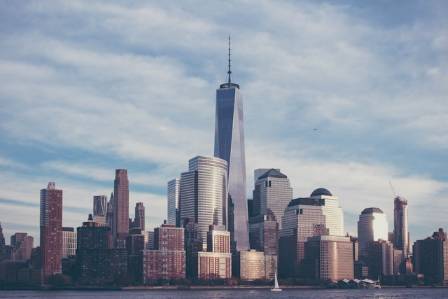
One World Trade Center
Standing at 1,776 feet, One World Trade Center is the tallest building in the Western Hemisphere. Built on the site of the original towers, it houses offices, dining options, and a three-level observatory offering unmatched views of the Manhattan skyline.
30 Rockefeller Plaza
Better known as 30 Rock, this Art Deco skyscraper is home to NBC Studios and the famous Rainbow Room restaurant. Its Top of the Rock observation deck may not be the highest point in the city, but many consider it the best because of the perfect view of the Empire State Building.
World Trade Center Station
The striking Oculus structure, designed to resemble a dove in flight, is the centerpiece of this transportation hub. Inside, visitors find not only subway and train connections but also the Westfield World Trade Center Mall, making it both functional and visually unforgettable.
Cathedral of St. John the Divine
Located in Morningside Heights, this massive cathedral is one of the largest Christian churches in the world. Construction began in the late 1800s, and today it hosts concerts, art exhibitions, and community events alongside religious services.
Hearst Tower
Blending old and new, Hearst Tower incorporates a 1928 base topped with a bold, triangular glass-and-steel design. Known as New York’s first eco-friendly high-rise, it stands out as a modern architectural icon in Midtown.
Federal Hall
Originally New York’s City Hall, this site became the first Capitol of the United States, where George Washington took the presidential oath. The current neoclassical structure, completed in 1842, now operates as a free museum run by the National Park Service.
Carnegie Hall
Since 1891, Carnegie Hall has been one of the world’s premier concert venues. With three auditoriums and over 3,500 seats, it continues to host hundreds of performances annually, from classical symphonies to contemporary music events.
Madison Square Garden
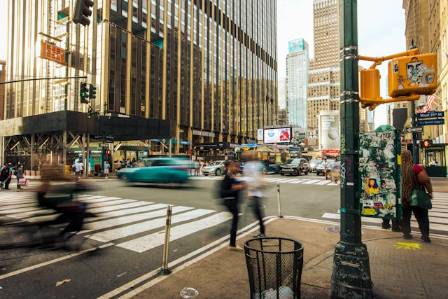
Known as “The Garden,” this arena has been a hub for sports, concerts, and major events since 1968. Home to the New York Knicks and Rangers, it has also hosted legendary performers like Elvis Presley and Taylor Swift.
Guggenheim Museum
Designed by Frank Lloyd Wright, the Guggenheim’s unique spiral structure is as famous as the art inside. The museum houses Impressionist, Modern, and contemporary works, making it a must-visit for architecture lovers and art enthusiasts alike.
Conclusion
Manhattan’s skyline is a living museum, where every building tells a story of innovation, resilience, and culture. Whether you’re gazing at the Empire State Building, exploring the Oculus, or enjoying music at Carnegie Hall, these landmarks reflect the spirit and energy that make New York City unforgettable.
More along this branch
LEAF · en

Annular Solar Eclipses: The “Ring of Fire” in the Sky
An annular solar eclipse is a rare and striking type of eclipse. It occurs when the Moon moves directly in front of the Sun but does not fully cover it. Instead, a bright outer ring of sunlight remains visible around the Moon’s silhouette. This glowing circle is known as an annulus, often described as a dramatic “ring of fire.”
LEAF · en
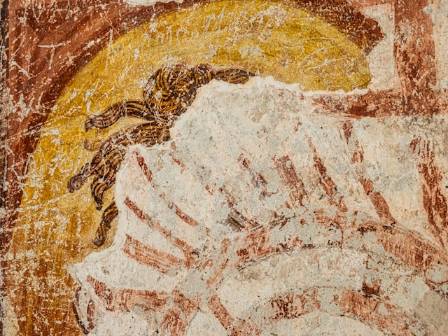
Five Captivating Examples of Ancient Rock Art
The earliest recorded examples of cave paintings originated tens of millennia ago, providing a window into the prehistoric environment through the eyes of our predecessors.
LEAF · en

Exploring the Life of Toucans
Toucans, instantly recognized for their large, colorful beaks, are among the most iconic birds of the neotropical regions of the Americas. Beyond their striking appearance, they are important members of their ecosystems and boast an intriguing natural history. This guide explores the life of toucans, from their biology and behavior to their habitats and cultural significance.
LEAF · en

Alpine Ibex: A Majestic Mountain Survivor
The Alpine ibex (Capra ibex) is among the most remarkable animals inhabiting Europe's high mountain regions. With its impressive appearance and powerful build, this wild goat can weigh approximately 100 kilograms. Its large horns curve backward and may reach about one meter in length. These horns also provide clues about the animal's age, as their annual growth rings correspond to successive winters.
LEAF · en
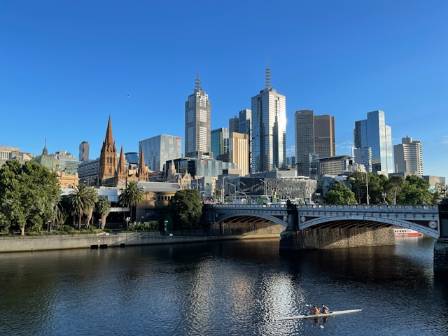
The best cities are river cities
Beneath layers of pavement, concrete buildings, shopping districts, parks, and schools, many cities are home to forgotten waterways. Creeks, streams, and rivers still exist beneath the urban landscape, even if some have been buried underground inside pipes.
LEAF · en

The Stunning Golden Rapeseed Fields of the Cotswolds
“We give thanks for those who shaped the fields, created the farms, cleared the waterways, and built the paths.” — From The Cotswold Prayer of Praise