Grove read
Fascinating Facts About Lilies
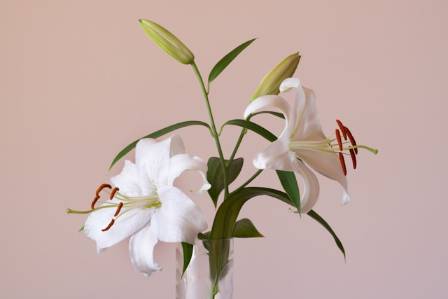
With more than 100 known species, lilies are among the most diverse and visually impressive flowers in the world. Their wide range of colors, dramatic shapes, and captivating fragrance have made them one of the most beloved flowers across the globe.
Miles Turner
Margin note
Reading tip
The full digest continues below among botanical margin notes.
Grove
Olive Digests
With more than 100 known species, lilies are among the most diverse and visually impressive flowers in the world. Their wide range of colors, dramatic shapes, and captivating fragrance have made them one of the most beloved flowers across the globe.
Throughout history, lilies have carried deep cultural and symbolic meanings, making them flowers that are admired, respected, and treasured by many societies. Their graceful appearance and sweet perfume are the reasons they continue to be a favorite choice for gardens, bouquets, and special occasions.
The Symbolic Meaning of Lilies
Lilies represent different ideas in various cultures, but they are generally associated with elegance, nobility, beauty, purity, and renewal. Like many flowers, their symbolism can change depending on their color, so choosing the right lily shade can add a special meaning to a gift.
White lilies symbolize innocence, purity, and a graceful spirit.
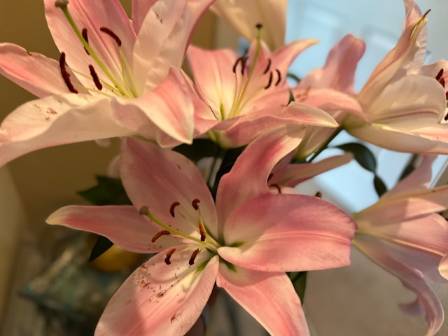
Pink lilies represent prosperity, abundance, and good fortune.
Red lilies express deep affection, romance, and passion.
Orange lilies symbolize confidence, pride, and success.
Yellow lilies are connected with happiness, appreciation, and positive health.
Interesting Facts About Lilies
Lilies are flowering plants that develop from underground bulbs.
True lilies belong to the botanical genus Lilium.
Their flowers are typically large, colorful, and often filled with a pleasant fragrance.
Authentic lilies have six petals and six stamens, each with pollen-producing anthers.
Lilies are frequently used in weddings, bridal arrangements, and formal ceremonies because of their elegant appearance.
Lilies are toxic to cats, so pet owners should keep these flowers away from feline companions.
There are nine recognized groups or divisions of lilies, each with unique characteristics.
Lilies are excellent cut flowers because they have a long vase life and can remain attractive for an extended period.
Lily Classifications and Popular Varieties
Division 1: Asiatic Hybrid Lilies
Asiatic hybrid lilies are among the most widely grown lilies worldwide. They are available in a broad selection of colors and usually have little to no fragrance.
These lilies are valued for their bright appearance, strong growth, and long-lasting blooms. Popular examples include Tango, Forever Susan, Orange Pixie Lily, Elodie Lily, and Lollipop.
Division 2: Martagon Hybrid Lilies
Martagon hybrids are known for their unusual and eye-catching appearance. Their flowers typically face downward and form clusters of delicate, curved blossoms.
A single stem may produce 40 to 50 flowers, creating a dramatic display with rich colors and distinctive shapes. Turk’s Cap Lily is a well-known example.
Division 3: Candidum Hybrid Lilies
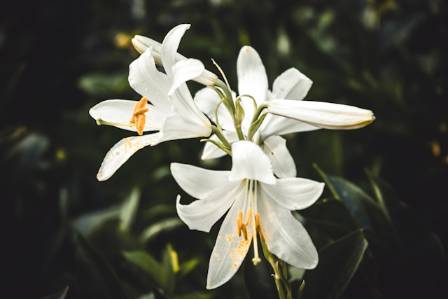
Candidum hybrids are recognized for the famous Madonna lily. These lilies produce elegant white flowers with yellow centers and a beautiful fragrance.
A mature stem can carry up to 20 blossoms, creating a graceful and classic floral display.
Division 4: American Hybrid Lilies
American hybrids are developed from native wild lilies found in North America.
Tiger Lily is one of the most recognizable examples in this group, admired for its bold appearance and natural charm.
Division 5: Longiflorum Hybrid Lilies
Longiflorum hybrids are best known for Easter lilies. They feature pure white, trumpet-shaped flowers with a refined and elegant appearance.
These lilies are especially popular during the Easter season and are widely used in religious and decorative arrangements.
Division 6: Trumpet and Aurelian Hybrid Lilies
Trumpet and Aurelian hybrids are tall, graceful lilies with large trumpet-shaped flowers and strong, sweet fragrances.
Because of their impressive size, beautiful form, and excellent fragrance, they are highly valued as cut flowers. African Queen is a popular example.
Division 7: Oriental Hybrid Lilies
Oriental hybrids are famous for their large, upright flowers and powerful fragrance.
They produce some of the most dramatic lily blooms, with strong colors and an unforgettable scent. Popular varieties include Stargazer, Casablanca, and Acapulco Lily.
Division 8: Interdivisional Hybrid Lilies
Interdivisional hybrids are created by crossing lilies from the previous seven groups.
These combinations bring together desirable traits from different lily categories, resulting in new varieties with unique appearances and improved characteristics.
Division 9: Species Lilies
Species lilies are the original wild forms from which many modern hybrids were developed.
These natural lilies maintain their simple, delicate beauty and represent the ancestors of today’s cultivated lily varieties.
The Endless Appeal of Lilies
Lilies continue to capture hearts with their incredible range of colors, elegant shapes, and unforgettable fragrances. Their beauty and symbolism have made them one of the most cherished flowers across cultures and generations.
Whether given as a thoughtful gift or displayed in your own home, a bouquet of lilies can bring brightness, fragrance, and elegance to any space. With so many varieties available, there is always a lily arrangement perfect for every occasion.
More along this branch
LEAF · en

What does the scenery on the ocean floor look like?
Seamounts are underwater mountain formations that are usually created by ancient volcanic activity. They often appear in long chains stretching across the ocean floor for hundreds of miles, rising hundreds or even thousands of feet above the surrounding seabed. These remarkable features play an important role in marine ecosystems by increasing the movement of nutrient-rich water, influencing ocean currents, strengthening tides, and creating waves.
LEAF · en

Blue-breasted Bee-eater
The Blue-breasted Bee-eater (Merops variegatus) is a bird species native to central Africa and belongs to the bee-eater family, Meropidae. Members of this family share a similar appearance and are well known for their specialized diet, which mainly consists of Hymenopterans such as bees and wasps.
LEAF · en

The Canada Goose Uncovered
Soaring gracefully through the sky or casually grazing on a city lawn, the Canada goose is one of North America’s most captivating waterfowl.
LEAF · en

10 Best Cities to Visit in Winter
Winter is a season that many places avoid, but in some cities it turns the urban environment into something magical. The article highlights ten cities around the world that shine in wintertime — whether because of snow-covered architecture, festive lights, unique seasonal events, or simply a change of atmosphere.
LEAF · en

How to Buy a Supercar: From Budget to Ownership
Buying a supercar is not the same as purchasing a standard vehicle. It requires careful planning, financial awareness, and a clear understanding of long-term responsibilities. These machines are more than just fast cars—they are highly engineered works of art built with advanced materials such as carbon fiber, extreme powertrains, and precision aerodynamics. Often produced in limited numbers, they represent the highest level of automotive engineering available for road use. Importantly, the purchase price is only the starting point of the true cost of ownership.
LEAF · en

Why does the ocean have waves?
The ocean is constantly in motion. Whether you are standing along the shoreline or watching from a vessel offshore, waves are an ever-present feature of the sea. These moving patterns are created when energy travels through water, causing particles to move in a circular pattern.