Grove read
Simple Japanese Tempura Batter: A Guide to Light and Airy Frying
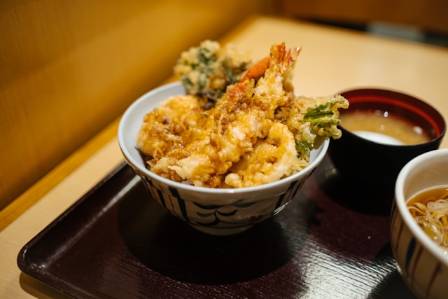
Creating authentic, restaurant-quality tempura at home is a manageable task that requires only three pantry staples. This method focuses on a minimalist approach to produce a delicate, golden coating that enhances rather than overwhelms the ingredients. Whether you are a novice or an experienced home cook, mastering this batter will allow you to transform ordinary seafood and vegetables into a crisp, professional-grade appetizer.
Adrian Whitmore
Margin note
Reading tip
The full digest continues below among botanical margin notes.
Grove
Olive Digests
Creating authentic, restaurant-quality tempura at home is a manageable task that requires only three pantry staples. This method focuses on a minimalist approach to produce a delicate, golden coating that enhances rather than overwhelms the ingredients. Whether you are a novice or an experienced home cook, mastering this batter will allow you to transform ordinary seafood and vegetables into a crisp, professional-grade appetizer.
Understanding the Essentials of Tempura
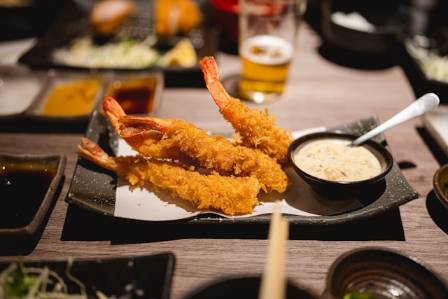
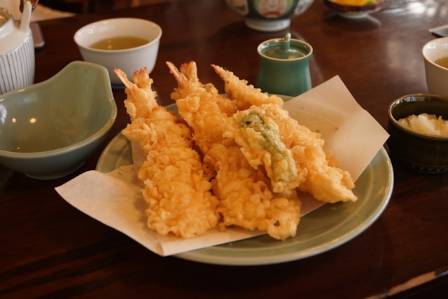
The core of a traditional Japanese batter is a mixture of flour, a single egg, and chilled water. The secret to its signature texture lies in the temperature and the handling of the ingredients. By using ice-cold water and sifting the flour, you prevent the development of gluten, which is the primary cause of a heavy or doughy crust. This batter is incredibly versatile; while shrimp is the most common choice, it performs exceptionally well with a variety of proteins like white fish or chicken, and vegetables ranging from sweet potatoes to mushrooms.
For the best results, timing is everything. You should prepare your ingredients—slicing them into uniform, bite-sized pieces—before you even touch the batter. Tempura is at its peak immediately after leaving the fryer, and the batter itself begins to lose its effectiveness if it sits for too long at room temperature.
Techniques for Achieving Maximum Crispness
To ensure your tempura remains light and avoids becoming greasy, pay close attention to the following technical details:
-
Pre-Coating for Adhesion: Before dipping items into the wet batter, lightly dust them with a thin layer of dry flour. This acts as a primer, helping the liquid coating stick securely to the surface of the food.
-
Temperature Management: The oil should be maintained between 175°C and 180°C (340°F to 360°F). If the oil is too cool, the batter will absorb excess fat, resulting in a heavy feel. If it is too hot, the exterior will brown before the interior is properly cooked.
-
Minimal Mixing: Use chopsticks instead of a whisk to combine the wet and dry ingredients. A few lumps in the batter are actually desirable. Overmixing activates gluten, which turns the coating from crispy to bread-like.
-
Immediate Frying: The contrast between the ice-cold batter and the hot oil creates the desired airy texture. For this reason, heat your oil first and mix your batter at the very last second.
Selecting the Right Oil and Ingredients
The choice of frying medium significantly impacts the final flavor. Oils with a high smoke point are necessary for deep-frying. While standard vegetable or canola oils are practical and neutral, peanut oil offers a slightly richer profile. For a traditional aroma, some cooks add a small amount of toasted sesame oil to their frying blend.
While the classic version uses all-purpose flour and an egg, you can experiment with the thickness. A higher water-to-flour ratio creates a thin, lacy coating, while less water yields a more substantial crust. If you prefer an egg-free version, simply omit the egg and use only flour and ice water; the result will still be remarkably crispy if kept cold.
Storage and Reheating Suggestions
Tempura is intended to be consumed immediately. However, if you have leftovers, they can be stored in a sealed container in the refrigerator for up to two days. To restore some of the original crunch, avoid the microwave. Instead, place the pieces in a single layer on a baking sheet and heat them in an oven at 175°C (350°F) until they are warmed through and the exterior firms up again.
More along this branch
LEAF · en

The Forbidden City: A Reimagined Overview
The Forbidden City, also known as Zijincheng (in Pinyin) or Tzu-chin ch’eng (in Wade-Giles), is the grand imperial palace complex situated in the center of Beijing, China. Built on the orders of the Yongle Emperor of the Ming dynasty beginning in 1406, it was first occupied by the royal court in 1420.
LEAF · en
Coleus: A Color for Every Garden
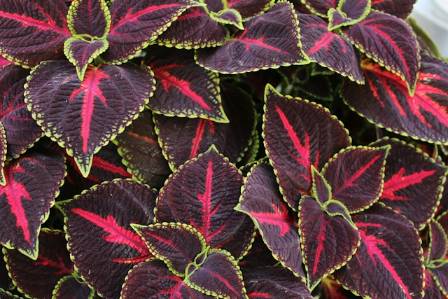
Coleus has been a dependable favorite in gardens for generations. It is primarily grown for its remarkable foliage, which comes in an enormous range of colors and patterns. These plants can tolerate a variety of soil conditions and can be grown in locations ranging from partial shade to sunny areas. Because of its importance and popularity as a garden plant, the National Public Garden Bureau designated 2015 as the Year of the Coleus.
LEAF · en

Why Orange Cats Are So Special?
Orange cats are often described as the friendliest cats of all, but whether this reputation is actually supported by science remains uncertain.
LEAF · en

Top 6 Universities with Accomplished and Stunning Female Students
Are you searching for universities with accomplished and stunning female students? Look no further, as several institutions in the USA boast not only attractive but also intelligent, ambitious, and driven women. Explore the top 6 universities where young women showcase their talents in sports, leadership, and various fields.
LEAF · en

A Brief History of the SUV — and Why It Took the World by Storm
The Sports Utility Vehicle (SUV) isn’t just a car—it’s a cultural phenomenon. Walk through any suburban neighborhood, scroll through a highway traffic cam, or glance at annual sales reports, and one thing becomes clear: SUVs dominate. In the U.S. alone, over 12 million were sold last year, outpacing sedans, hatchbacks, and trucks. But this wasn’t always the case. The SUV’s rise from niche workhorse to global obsession is a story of war, innovation, and shifting human desires.
LEAF · en
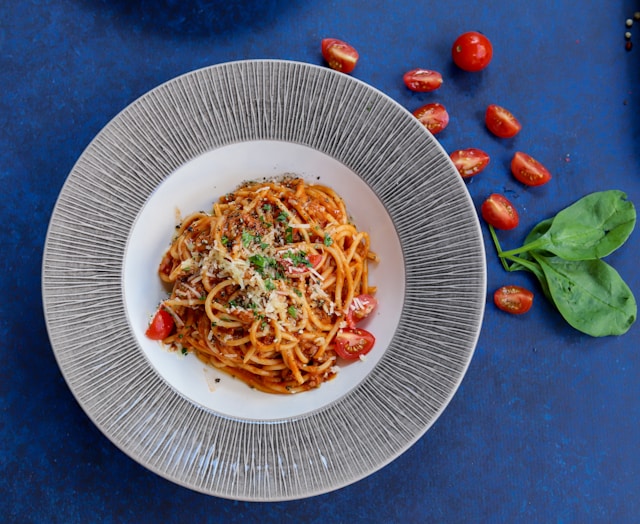
Intriguing Truths and Traditions of Pasta
Pasta is a beloved food enjoyed around the world. Although closely associated with Italian culture, its history and diversity are far richer than many realize. With over 600 shapes and styles, pasta offers endless variety and fascinating culinary traditions.